

Building a web application today is more than just making it work. Users expect apps that are fast, simple, and reliable. Businesses also want their apps to appear in search results and attract visitors naturally. This is why designing SEO-friendly web applications is so important.
When we worked on CamionDepot, we learned how careful planning and simple design choices could turn a complex platform into a user-friendly marketplace. By focusing on users, speed, and search visibility, a web app can grow smoothly, rank well, and convert visitors into customers.
In this blog, we share practical steps for designing web applications that are scalable, user-friendly, and optimised for search engines. These tips are written simply so anyone can follow them. Whether you are a business owner, project manager, or developer, you will learn strategies to improve performance, usability, SEO, and conversions.
Following these principles helps build web apps that work well today and adapt as your business grows. You will see how structure, user experience, and smart design choices make a big difference.
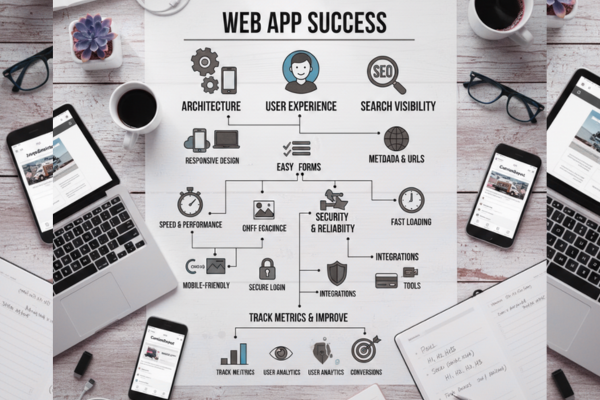
1. Start with a Strong Architecture
A web app that can grow needs a strong foundation. Planning the structure early saves time and prevents problems.
- Frontend: Make sure it works on all devices. Phones, tablets, and desktops should all look good.
- Backend: Use a framework that lets you add new features easily. It should be simple to maintain.
- Database: Pick a system that can handle many users and store data efficiently.
Good architecture prevents slow performance. On CamionDepot, this approach helped manage thousands of truck listings and user inquiries. Modular code allows adding new features without breaking the app.
A strong foundation prepares your app to scale as more users join.
2. Make User Experience Simple
Even a technically perfect app fails if users find it confusing. UX is about making the app simple, clear, and enjoyable.
- Use menus that are easy to understand.
- Make forms quick and easy to fill out.
- Add features like “Save for later” or favorites.
- Give clear directions so users know what to do next.
Good UX keeps users engaged. On CamionDepot, clear listing pages and filters made it easy to find trucks. Smooth navigation also increases conversions.
A simple and consistent design makes the app trustworthy. Users are more likely to return and complete tasks when they understand the app.
3. Make Your App SEO-Friendly
SEO is not just for websites. SEO-friendly web applications help users find your app online.
- Use clear, descriptive URLs and headings.
- Add metadata to each page.
- Optimize images with alt text and correct size.
- Make sure pages load quickly.
On CamionDepot, listing pages were structured so search engines could read them easily. This improved visibility and brought more users. SEO works best when planned from the start.
Use headings logically. H1, H2, and H3 tags make it easier for users and search engines to understand your app. Clear headings also make pages easier to read.
4. Improve Speed and Performance
Slow apps frustrate users. Fast apps keep users happy and coming back.
- Compress images and reduce file sizes.
- Use caching to lower server requests.
- Optimize code and database queries.
- Load main content first so users see it quickly.
CamionDepot users could search and filter trucks instantly, even with thousands of listings. Fast apps improve user satisfaction and also rank higher in search engines.
5. Build a Scalable Backend
Scalability means your app can handle more users without slowing down.
- Write code in small modules so features can be added easily.
- Use cloud hosting for flexible server space.
- Add load balancing to handle high traffic.
- Check database performance often.
The backend on CamionDepot supported more users and listings without slowing down. A scalable backend ensures the app works smoothly as traffic grows.
6. Monitor and Improve Continuously
A web app is never finished. Continuous monitoring keeps it fast and user-friendly.
- Track user behavior using analytics.
- Find areas where users leave the app.
- Test new designs and features to improve conversions.
- Update content regularly to stay relevant.
Continuous optimization on CamionDepot improved engagement and increased inquiries. Small updates make a big difference over time.
7. Ensure Security and Reliability
Users must trust your app with their data.
- Use secure login methods.
- Encrypt sensitive information.
- Update software to fix vulnerabilities.
- Monitor the app for unusual activity.
Secure apps build user confidence. On CamionDepot, buyers could contact sellers safely. Security improves the overall experience and keeps users coming back.
8. Make the App Mobile-Friendly
Most users access apps on phones. A responsive design ensures the app works well on small screens.
- Simplify menus for mobile users.
- Make buttons easy to tap.
- Adjust images and layout for mobile speed.
Mobile-friendly apps reach more users and are easier to use. Mobile optimization also improves SEO rankings.
9. Integrate Useful Features
Many apps need to connect with other systems like payment gateways or CRM tools.
- Plan integrations early.
- Test connections carefully.
- Keep code simple so updates are easy.
CamionDepot integrated financing options and inquiry management. Proper integration made the app useful and convenient.
10. Track Metrics to Improve Conversions
Tracking app performance helps it succeed.
- Monitor user interactions.
- Track conversions and drop-offs.
- Test changes to improve UX and conversions.
- Use data to make smart decisions.
Data-driven updates help the app stay relevant and effective.
Conclusion
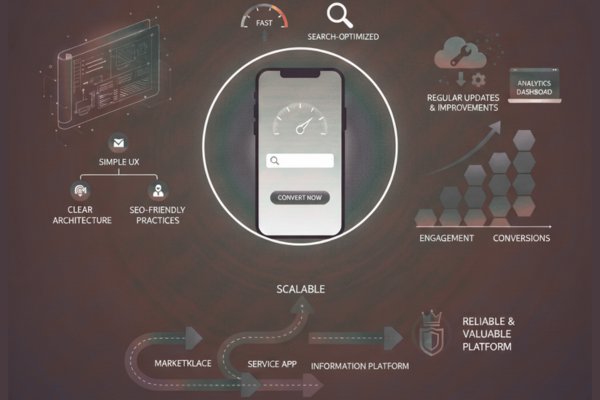
Designing scalable, SEO-friendly web applications requires careful planning and attention to users. Fast, simple, and search-optimized apps help businesses reach more users and improve conversions.
From our work on CamionDepot, we learned that combining clear architecture, simple UX, and SEO-friendly practices produces apps that are reliable and easy to use. Focusing on speed, usability, and SEO creates a smooth experience for users. This leads to higher engagement and more conversions.
SEO-friendly web applications are not finished once launched. They need regular updates and improvements. Analytics help spot weak areas. Small changes can improve performance, search rankings, and user satisfaction.
Whether you are building a marketplace, service app, or information platform, following these steps ensures your app is user-friendly, scalable, and visible online. As we did on this project, prioritizing architecture, UX, SEO, speed, security, and continuous improvement builds a reliable and valuable platform.
Applying these strategies helps businesses build apps that work now and grow with their audience. The result is a web application that scales effectively, ranks high, and converts visitors into loyal users. These steps are practical, simple, and proven to work.
By following these principles, your app will be fast, easy to use, and ready for long-term success. Users will return, search engines will rank it higher, and your business will see real results.
FAQs
Q1: What are SEO-friendly web applications?
A: Apps that rank higher using clear content, metadata, and fast performance.
Q2: How can I make my web app scalable?
A: Use modular code, cloud hosting, and load balancing.
Q3: Why is user experience important?
A: Simple apps keep users engaged and increase conversions.
Q4: How often should I optimize my app?
A: Check analytics regularly and update features for speed and SEO.