

Mobile apps are no longer just tools. They are becoming smart helpers that learn, adapt, and improve over time. From suggesting what to watch next to detecting unusual activity, modern apps are expected to “think” for users. This is where machine learning steps in.
For many businesses, the idea of adding intelligence to an app may sound complex or expensive. However, the truth is quite different. Today, machine learning is more accessible than ever, and it is changing how apps are designed, built, and improved. When used correctly, it helps apps understand users better, respond faster, and deliver more value.
This guide explains machine learning in app development in a clear and practical way. Whether you are a startup founder, a product manager, or a business owner working with a development agency, this blog will help you understand how machine learning fits into app development.
Most importantly, this guide shows how machine learning solves real problems, improves user experience, and supports business growth. By the end, you will have a clear idea of where machine learning adds value and how a software development agency can apply it wisely.
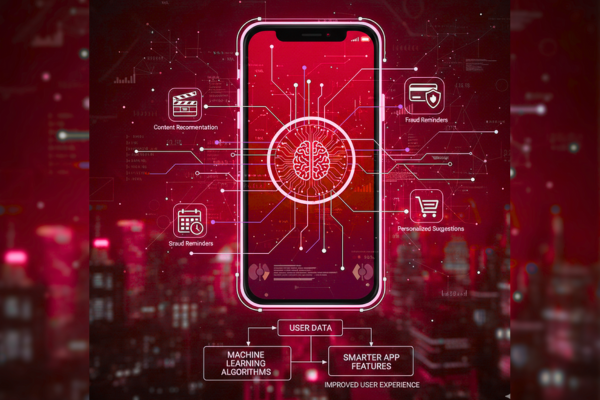
What Is Machine Learning in Simple Terms
Machine learning is a way for apps to learn from data instead of following fixed rules. Instead of telling an app exactly what to do, developers allow it to find patterns on its own.
For example, when an app notices that users open it at a certain time every day, it can send reminders at the right moment. Over time, the app becomes smarter because it learns from past actions.
In machine learning in app development, this learning happens quietly in the background. Users only see the results: better suggestions, smoother performance, and more useful features.
Why Machine Learning Matters in App Development
Machine learning is not about trends. It is about meeting user expectations. Today’s users want apps that feel personal and responsive.
Here is why machine learning matters:
- It helps apps understand user behavior
- It improves decision-making without human effort
- It reduces manual work through automation
- It allows apps to improve over time
As a result, apps become more helpful and more engaging. This leads to higher user retention and better long-term success.
Common Use Cases of Machine Learning in Apps
1. Personal Recommendations
Apps can suggest products, content, or actions based on user history. This makes the experience feel tailored rather than generic.
2. Voice and Text Understanding
Many apps now support voice search and chat features. Machine learning helps apps understand what users mean, even if they use simple or unclear words.
3. Image Recognition
Apps can scan images to identify objects, faces, or text. This is widely used in shopping, health, and travel apps.
4. Fraud and Risk Detection
Machine learning helps apps notice unusual behavior early. This is useful in finance, payments, and security-focused apps.
These examples show how machine learning in app development directly improves daily user interactions.
How Machine Learning Fits Into the App Development Process
Machine learning is not added at the end. It is planned from the start.
Step 1: Identify the Problem
The first step is to find a real problem that learning can solve. Not every feature needs machine learning.
Step 2: Collect Useful Data
Apps need clean and relevant data to learn. This data may come from user actions, feedback, or system logs.
Step 3: Choose the Right Model
Developers select a learning model that matches the problem. Simpler models are often more effective and easier to maintain.
Step 4: Train and Test
The model learns from data and is tested to ensure accurate results. Testing helps avoid errors and bias.
Step 5: Integrate and Improve
Once added to the app, the model continues to learn and improve over time.
This structured approach ensures stable and useful results.
Benefits for Businesses and Users
Machine learning creates value for both sides.
For Users
- Faster and smarter app responses
- More personal experiences
- Less effort to complete tasks
For Businesses
- Better user engagement
- Improved decision-making
- Lower long-term costs through automation
Because of these benefits, machine learning in app development is becoming a standard part of modern app strategies.
Challenges and How Agencies Solve Them
Machine learning also brings challenges. However, experienced agencies know how to handle them.
Data Quality Issues
Poor data leads to poor results. Agencies clean and filter data before using it.
Privacy Concerns
User data must be handled carefully. Secure storage and clear consent are always required.
Maintenance Needs
Models need updates as user behavior changes. Agencies monitor performance regularly.
By planning ahead, these challenges become manageable rather than risky.
Best Practices for Using Machine Learning in Apps
- Start with a clear goal
- Use simple models when possible
- Focus on user value, not complexity
- Test results before full release
- Improve gradually over time
Following these steps ensures success without unnecessary effort.
Learn More About Real-World Applications
For readers who want deeper insights into real use cases and outcomes, you can refer to this blog that explains how machine learning is reshaping modern mobile applications:
Revolutionizing Mobile Apps with Machine Learning
This resource provides additional examples and practical ideas that complement this guide.

Conclusion
Machine learning is no longer limited to large tech companies. It has become a practical tool for everyday apps across many industries. When applied thoughtfully, it helps apps become smarter, faster, and more user-friendly.
For businesses, the real value of machine learning in app development lies in solving real problems. It is not about adding complex features, but about making apps more useful and reliable. From personal recommendations to risk detection, machine learning supports better decisions without constant human input.
However, success depends on balance. Using machine learning without a clear goal can lead to wasted effort. This is why working with a skilled software development agency matters. The right team understands when to use machine learning and when to keep things simple.
As user expectations continue to rise, intelligent apps will become the norm rather than the exception. Businesses that adopt machine learning carefully will be better prepared for the future. They will deliver experiences that feel natural, helpful, and trustworthy.
In the end, machine learning is not about replacing humans. It is about supporting them. When done right, it turns good apps into great ones and helps businesses grow with confidence.
FAQs
What is machine learning in app development?
It allows apps to learn from data and improve without manual rules.
Is machine learning expensive to add?
Not always. Many tools make it affordable and scalable.
Do all apps need machine learning?
No. It should be used only when it adds clear value.
Is user data safe?
Yes, when privacy and security best practices are followed.