

- Canada-based app development team
Mobile Game App Development Company in Canada
Canadian Software Agency builds custom mobile game apps in Canada for iOS and Android, including 2D games, 3D games, multiplayer games, Unity game development, and cross-platform mobile game solutions.
Jump Start Your Business
Trusted by Canada's Leading Institutions













Build Mobile Game Apps That Players Actually Want to Keep Playing
Mobile gaming is one of the most competitive spaces in app development.
Players have more choices than ever. They decide quickly whether a game is worth keeping, and they leave just as quickly if it feels repetitive, frustrating, poorly balanced, or technically unstable. A successful game app needs more than a good idea. It needs the right gameplay loop, the right progression system, the right art direction, smooth performance, monetization that does not break the experience, and an update roadmap that keeps players coming back.
At Canadian Software Agency, we design and develop custom mobile game apps for iOS and Android that are built around player engagement, retention, and long-term growth. We work with startups, gaming brands, founders, entertainment businesses, and companies that want to launch original game concepts or mobile-first game products.

Why Mobile Game Apps More Than Ever
Mobile gaming has become the most accessible and widely used gaming format for a huge range of audiences. Players do not need dedicated hardware or long setup times. They can discover a game in seconds, install it instantly, and begin playing almost immediately.
That ease of access creates both opportunity and pressure.
- Lower barrier to entry for players
People can try a game quickly, which creates strong user acquisition potential. But it also means your game has to earn attention fast.
- Massive competition
Because app stores are crowded, a game has to stand out through concept, polish, gameplay quality, and retention strategy.
- Strong replay and retention potential
Well-designed mobile games can generate repeated sessions, daily engagement, social sharing, and long-term player value.
- Flexible monetization models
Game apps can support premium purchases, in-app purchases, subscriptions, ad-supported models, cosmetic monetization, and hybrid monetization.
- Continuous product evolution
Unlike traditional one-time game releases, mobile game apps can evolve through updates, events, content drops, seasonal experiences, and player-driven tuning.
- Broad audience range
Mobile games can target casual players, children, social groups, competitive audiences, niche fandoms, or dedicated mid-core player segments. That range creates room for many product types.
A successful game app is not just a launch asset. It can become an ongoing digital product with its own growth engine, community, monetization strategy, and content lifecycle.

Challenges
Common Mobile Game Apps Need To Solve
These are exactly the kinds of issues that serious mobile game development needs to address from the beginning.
Weak first-session experience
If players do not understand the game quickly or feel rewarded early, they uninstall. First-session design matters more than most founders realize.
Poor retention after install
Many games get downloads but cannot keep players. The game loop may be too shallow, progression too slow, or replay value too low.
Unbalanced monetization
If monetization is too aggressive, it damages the experience. If it is too weak, the game struggles commercially. Balance is essential.
Technical instability across devices
A game that performs well on one phone but poorly on others will quickly accumulate negative reviews and low retention.
Lack of live ops planning
Many games launch with a fixed feature set and no post-launch structure. Without events, tuning, updates, or engagement loops, players leave.
Social and multiplayer complexity
If the product includes multiplayer, matchmaking, or social features, the technical and design requirements become much more demanding.
Weak content pipeline
Players need a reason to return. Strong games often need systems that allow content expansion, feature updates, and event-based engagement after launch.
Expertise
Our Mobile Game App Development Services
2D mobile game development
We build 2D game apps for a wide range of genres, including casual games, puzzle games, arcade games, platformers, card games, and stylized gameplay experiences. 2D games are often ideal for projects that need strong visual clarity, quicker production cycles, broad device compatibility, and highly polished gameplay loops.
A strong 2D game does not need to feel small. It needs to feel deliberate, engaging, and fun to replay.
3D mobile game development
We develop 3D mobile game experiences for projects that require more immersive visuals, deeper environments, more dynamic character presentation, or expanded gameplay mechanics. These may include action games, simulation games, racing concepts, sports titles, multiplayer products, or stylized 3D worlds designed for mobile-first play.
The key is balancing ambition with practical mobile performance.
Casual and hypercasual game development
Casual and hypercasual games depend heavily on immediate comprehension, low friction, strong reward loops, and clean mechanics. We help clients shape gameplay that is easy to start and hard to stop. These products often require:
- fast onboarding
- highly intuitive controls
- strong reward timing
- optimized session length
- replay-driven design
- ad or hybrid monetization logic
Multiplayer mobile game development
Multiplayer game apps are more complex than single-player titles because they require synchronized systems, account logic, social functionality, matchmaking or room structures, and reliable performance under varying network conditions. We can support multiplayer-focused mobile game development for products that require:
- player accounts
- room systems
- matchmaking logic
- real-time or turn-based interactions
- leaderboards
- social and communication features
- competitive progression
Cross-platform game development
Some clients want to target both iOS and Android efficiently while maintaining a consistent game experience. We support cross-platform mobile game development where the project goals and technical needs make that the right approach.
- therapy access
- mental wellness
- guided programs
- habit support
- wellness tracking
- coach or provider interaction
- content-driven support experiences
Live ops and post-launch game systems
A mobile game app often needs more than the core gameplay experience. We can support:
- daily rewards
- player events
- new content drops
- progression tuning
- analytics
- seasonal systems
- retention hooks
- monetization adjustments
This is especially important for products with long-term growth ambitions.
Puzzle and strategy game development
Puzzle and strategy titles need thoughtful progression design. The challenge has to scale correctly. The systems have to feel fair. Difficulty pacing matters. We build puzzle and strategy game apps that focus on engagement, clarity, and long-term depth.
Branded and promotional game app development
Some businesses want a game app as part of a brand strategy, campaign, or audience engagement initiative. We build branded games that are still designed around actual playability rather than just visual novelty.
Educational and serious game development
We also support game apps designed for education, learning, training, or awareness-building, where game mechanics are used to improve engagement and retention around a specific subject or behavior.
- App Types
Types of Mobile Games We Build
We can build a wide range of game apps, including:
- casual mobile games
- puzzle games
- racing games
- educational games
- multiplayer social games
- branded promotional games
- card and board game apps
- action and adventure-lite mobile games
- hypercasual games
- arcade games
- simulation games
- trivia games
- turn-based games
- character-driven mobile games
- role-based progression games
- 2D and 3D mobile game experiences
Different genres require different production strategies, monetization models, content roadmaps, and retention systems. A puzzle game should not be structured like a multiplayer social game. A branded mini-game should not be scoped like a long-term live product. We tailor the product to the actual category and goal.
Features
Core Features We Can Build Into a Mobile Game App
A mobile game product can include many different systems depending on the genre and business model, but common capabilities include:
Player-facing features
- sign-in and guest access
- tutorials and onboarding
- progression systems
- levels or stages
- rewards and unlocks
- currencies and inventory
- achievements
- leaderboards
- social sharing
- player customization
- in-app purchases
- ad integration
- daily rewards
- notifications
- profile progression
Multiplayer and social features
- player accounts
- matchmaking or room creation
- friend systems
- co-op or competitive sessions
- chat or lightweight communication
- social events
- ranking and progression ladders
Admin and live ops features
- game balancing controls
- content management
- item or reward configuration
- event scheduling
- analytics dashboards
- retention and monetization reporting
- player segmentation
- push messaging controls
Advanced features
- cross-platform logic
- cloud save
- AI-assisted tuning support
- avatar or character customization
- AR features where relevant
- seasonal content systems
- subscription logic
- anti-abuse or moderation tools
The right features depend on whether the goal is retention, monetization, social growth, replayability, learning outcomes, or a mix of those priorities.
Working
How a Mobile Game App Actually Works
A serious mobile game app is not just art plus mechanics. It usually includes a broader product system.
- Mobile game client
This is the actual iOS or Android game experience. It includes gameplay, visuals, controls, animation, sound, UI, and session logic.
- Admin and analytics dashboard
If the game includes live ops, monetization, events, or player segmentation, an admin layer becomes important for product management.
- Backend systems
Many mobile games need backend support for:
- Player accounts
- Cloud saves
- In-app purchase validation
- Analytics events
- Inventory systems
- Progression syncing
- Social features
- Live ops content
- Matchmaking or room logic
- Integration layer
Game apps may integrate with:
- Payment systems
- Analytics tools
- Attribution tools
- Ad networks
- Cloud services
- Authentication providers
- Notification systems
This matters because many game concepts feel simple at first but grow in complexity quickly once account systems, monetization, and post-launch operations are introduced.
AI in Mobile Game Apps
AI can be useful in mobile game apps when applied thoughtfully.
Potential use cases include:
- gameplay personalization
- content recommendation
- tuning support
- player behavior analysis
- support assistants
- progression optimization
- basic NPC logic or content automation in selected products
We focus on AI that creates practical value for either the player or the product team.

Security
Security, Performance, and Reliability
Game apps compete directly on feel. If the game is laggy, unstable, or frustrating on target devices, retention collapses quickly.
Our development approach emphasizes:
- smooth performance
- responsive controls
- scalable architecture
- stable account and purchase flows
- clean event tracking
- maintainable code
- cross-device testing
- live ops readiness where needed
A good game app should not just look exciting in a mockup. It should feel satisfying in real use.
Integrations for Mobile Game Apps
Game apps often rely on integrations with:
- analytics platforms
- attribution systems
- authentication providers
- payment gateways
- ad networks
- cloud save services
- push notification tools
- backend platforms
- live ops systems
Integration planning affects growth, monetization, analytics quality, and long-term operability.
Cost of Mobile Game App Development in Canada
Game app development costs vary significantly based on genre, visual style, systems, multiplayer needs, and post-launch goals.
| Project Type | Estimated Cost (CAD) |
|---|---|
| Focused MVP | $30,000 to $60,000 |
| Mid-range Game App | $60,000 to $150,000 |
| Advanced Live or Multiplayer Product | $150,000 to $300,000+ |
A simple casual game is very different from a multiplayer game with events and live product operations. That is why careful product scoping matters from the start.
The Workflow
Our Mobile Game App Development Process
We follow a structured development process to ensure every project is delivered successfully.
Phase 1
Concept and gameplay discovery
We begin by understanding the game concept, target audience, monetization strategy, and intended experience.
Phase 2
Product planning
We define the core loop, progression, systems, technical approach, roadmap phases, and launch scope.
Phase 3
UX, game design, and interface design
We shape onboarding, controls, reward timing, session flow, UI, and player progression in a way that supports retention.
Phase 4
Development
We build the game app, supporting backend systems, monetization flows, analytics, and related tools.
Phase 5
QA and gameplay testing
We test for bugs, performance, balance, usability, and consistency across target devices.
Phase 6
Launch and iteration
After launch, we support tuning, updates, live ops features, and roadmap improvements based on product data and player behavior.
Infrastructure
Technology Stack
We choose the right stack based on the game, but common technologies may include:
Unity
For many cross-platform game products
Unreal Engine
Where appropriate for specific game types
Swift & Kotlin
For platform-native needs where relevant
Node.js
For backend systems
Cloud Infrastructure
For accounts, analytics, and live ops
Analytics
And attribution tooling
Why Us
Why Choose Canadian Software Agency for Mobile Game App Development in Canada
Mobile game apps require more than visual creativity. They require product discipline, gameplay thinking, retention strategy, monetization design, analytics planning, and technical execution.
Clients choose us because:
- we build around real player behavior
- we think carefully about retention and replayability
- we support both the game app and the systems behind it
- we can help shape MVP scope for game startups
- we design for long-term product growth
- we understand multi-layer digital products, not just frontends
- we build with performance and maintainability in mind
For founders and businesses in Toronto and across Canada, that means working with a team that can help turn a game idea into a stronger mobile product.

Toronto HQ
Uniquely Canadian.
Real Results for Real Businesses
Explore how we solved complex technical challenges for industry leaders.
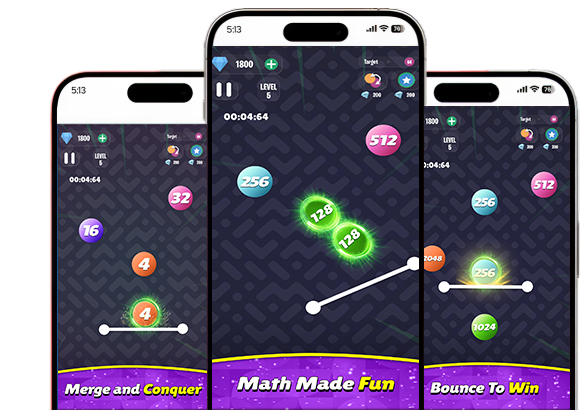
2488 – Number Merging Game Enhancement
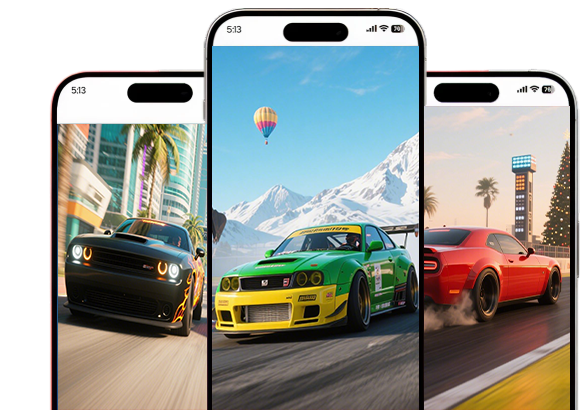
Battle Creek Games
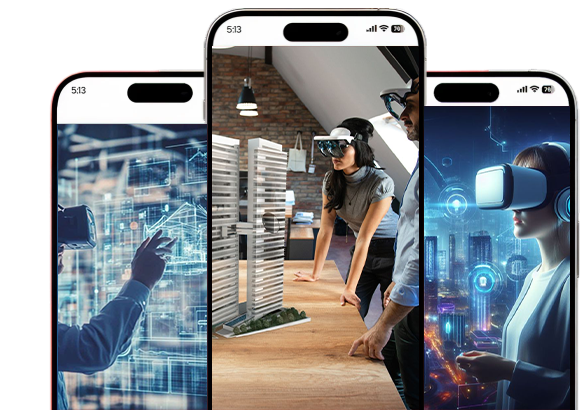
Immersive AR Experience with VPS Anchors
Related Development Services
Businesses looking for Mobile Game App development services often also require additional digital solutions to scale their platforms. Canadian Software Agency also provides:
Web Development Services in Toronto
Custom web platforms and scalable applications.
Mobile App Development Services
Native and cross-platform mobile apps for startups and enterprises
Game Development Services
Interactive gaming solutions for mobile and web platforms.
Ecommerce Development Services
Custom ecommerce platforms and WooCommerce solutions.
Questions
Everything You Need to Know
Frequently Asked Questions About Healthcare App Development
What types of mobile game apps can you build?
We build 2D games, 3D games, casual games, hypercasual games, puzzle games, multiplayer games, educational games, branded games, and custom mobile game products.
Do you build game apps for both iOS and Android?
Yes. We can build native or cross-platform mobile game products depending on the game requirements and platform goals.
Can you build games with Unity?
Yes. We can support Unity-based mobile game development where it is the right fit for the product.
Can you build multiplayer mobile games?
Yes. We build multiplayer and social game experiences that may include player accounts, room systems, leaderboards, and related backend functionality.
Can you help with monetization strategy?
Yes. We help think through monetization models such as premium, in-app purchases, ads, rewarded ads, subscriptions, and hybrid approaches.
How much does mobile game app development cost in Canada?
Costs vary depending on the game type and complexity. Focused MVPs may start around CAD $30,000 to $60,000, while more advanced live or multiplayer game products can range much higher.
How long does it take to build a mobile game app?
A smaller MVP may take a few months, while more advanced games with content systems, multiplayer, and backend features may take longer. Timelines depend on scope.
Can you build a game MVP for a startup?
Yes. We help founders define MVP scope and build game apps that are practical to launch and structured to evolve.
Do you provide post-launch support?
Yes. We can support updates, balancing, feature enhancements, content expansions, and long-term roadmap improvements after launch.
Can you add analytics to track player behavior?
Yes. We can integrate analytics to measure onboarding, retention, progression, monetization, and other important gameplay metrics.
Can you modernize or rebuild an existing game app?
Yes. If your current mobile game is outdated, underperforming, or not aligned with your goals, we can redesign, rebuild, or enhance it.
Can you build educational or branded games too?
Yes. We build educational game apps, serious games, and branded promotional games where gameplay supports a specific business or engagement goal.
Why our clients love us?
Read More Reviews




“They were proactive in addressing our needs and promptly responded to any concerns or inquiries we had. With Canadian Software Agency’s help, we increased online visibility, web traffic, and qualified leads.”
Debra Cafaro,
Chairman & CEO, Vintas

“They met expectations, and we’ve seen an increase in downloads and monthly users. Our business doubled from this new product line. Canadian Software Agency was ahead of schedule with deliverables — turnaround time was about 48 hours. They were passionate and efficient about their work and transformed the client’s vision into a viable product. ”
“They met expectations, and we’ve seen an increase in downloads and monthly users. Our business doubled from this new product line. Canadian Software Agency was ahead of schedule with deliverables — turnaround time was about 48 hours. ”
VP of Marketing, OSI Affiliate

“Canadian Software Agency was an excellent partner in bringing our vision to life! They managed to strike the right balance between aesthetics and functionality, ensuring that the end product was not only visually appealing but also practical and usable.”
Director – Nutrition for Lifestyle

Luke Schubert,
Head of Product, Open Forest Protocol

Director of Business Dev, LEFTY PRODUCTION CO.
“They met expectations, and we’ve seen an increase in downloads and monthly users. Our business doubled from this new product line. Canadian Software Agency was ahead of schedule with deliverables — turnaround time was about 48 hours. ”
Tariehk,
VP of Marketing, OSI Affiliate
“They were proactive in addressing our needs and promptly responded to any concerns or inquiries we had. With Canadian Software Agency’s help, we increased online visibility, web traffic, and qualified leads.”
Debra Cafaro,
Chairman & CEO, Vintas
Luke Schubert,
Head of Product, Open Forest Protocol
Director of Business Dev, LEFTY PRODUCTION CO.
“Canadian Software Agency was an excellent partner in bringing our vision to life! They managed to strike the right balance between aesthetics and functionality, ensuring that the end product was not only visually appealing but also practical and usable.”
Director – Nutrition for Lifestyle
Final Call
Let’s Build a Better Mobile Game App
Whether you are launching a new game concept, building a startup product, creating a branded game, or improving an existing mobile title, we can help you build a game app that is engaging, scalable, and aligned with your goals.
Development Across Canada
Canadian Software Agency provides development services across major Canadian cities including Toronto, Vancouver, Ottawa, Montreal, Calgary, and Edmonton.
