

Every smart mobility app lives on trust
When users share their location, they expect safety, privacy, and care. If that trust breaks, the app fails—no matter how smart the features are. This is why Location Data Security is not optional anymore. It is a core need for every smart mobility solution.
From traffic alerts to speed monitoring, location data powers modern mobility apps. However, this same data can expose users to risks if it is not protected the right way. In this blog, we explain location data protection in simple terms. We also share proven best practices that help smart mobility apps stay safe, legal, and reliable.
Smart mobility apps are changing how people drive, travel, and plan routes. These apps depend heavily on location data to work well. They track speed, movement, and real-time position to deliver value. However, with this power comes responsibility.
Users worry about one simple question: Is my data safe?
If an app cannot answer this clearly, users will leave.
This is where Location Data Security becomes critical. Location data shows where a person lives, works, and travels. In the wrong hands, it can lead to serious privacy problems. Because of this, governments now enforce strict data rules, and users expect full transparency.
Smart mobility companies must protect location data at every step. This includes how data is collected, stored, shared, and deleted. Clear policies and strong systems help apps gain trust and grow faster.
We worked on a smart mobility platform that focuses on driver awareness and speed monitoring. During this project, data safety was a top priority. You can explore how this was handled in detail through this case study.
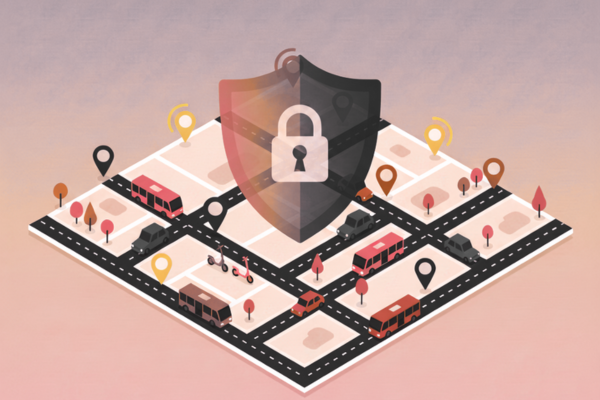
Why Location Data Needs Strong Protection
Location data is personal. It tells a full story about a user’s daily life. Because of this, it must be handled with care.
Here’s why protection matters:
- It builds user trust
- It prevents data misuse
- It supports legal compliance
- It protects the company’s reputation
Without proper security, even a small data leak can cause large damage.
Common Risks in Smart Mobility Applications
Before discussing solutions, it helps to understand the risks.
Data Leaks
If systems are weak, hackers can access location records.
Poor Access Control
When too many people or systems can see data, mistakes happen.
Unsafe Data Storage
Unprotected servers can expose sensitive data.
Lack of User Awareness
Users may not know how their data is used, which creates fear and mistrust.
Best Practices for Location Data Security
1. Collect Only What Is Needed
The safest data is the data you never collect.
Smart mobility apps should only gather data that supports core features. Avoid tracking users when it is not required. This reduces risk and improves user confidence.
2. Use Clear User Consent
Always explain:
- What data is collected
- Why it is collected
- How long it is stored
Simple consent screens help users feel informed. Clear language builds trust and meets legal standards.
3. Secure Data During Transfer
When location data moves from a device to a server, it must be protected.
Use secure connections so data stays private while traveling. This step is essential for Location Data Security, especially in real-time tracking apps.
4. Protect Stored Data
Once data is stored, it must remain safe.
Best practices include:
- Strong access limits
- Regular system updates
- Safe server environments
Only authorized systems should access sensitive location records.
5. Limit Internal Access
Not everyone on a team needs full data access.
Create roles and permissions. This reduces human error and improves overall safety.
6. Anonymize Location Data When Possible
Anonymized data removes personal identity.
For reports and analysis, avoid using direct user details. This keeps insights useful while protecting privacy.
7. Follow Regional Data Laws
Different regions have different rules.
Smart mobility apps must respect local data laws where users live. This includes data storage rules and user rights.
Building Security Into the App Design
Security should not be added later. It must be part of the design from day one.
During our smart mobility project, we focused on secure design early. Data safety decisions were made before development began. This reduced risks and saved time later.
Role of Regular Testing and Monitoring
Security is not a one-time task.
Apps should:
- Test systems often
- Monitor unusual activity
- Fix issues quickly
Regular checks keep apps safe as technology and threats change.
Educating Users Builds Trust
Users feel safer when they understand how their data is used.
Simple tips inside the app help:
- Privacy settings explanations
- Clear data usage messages
- Easy opt-out options
This openness strengthens long-term trust.
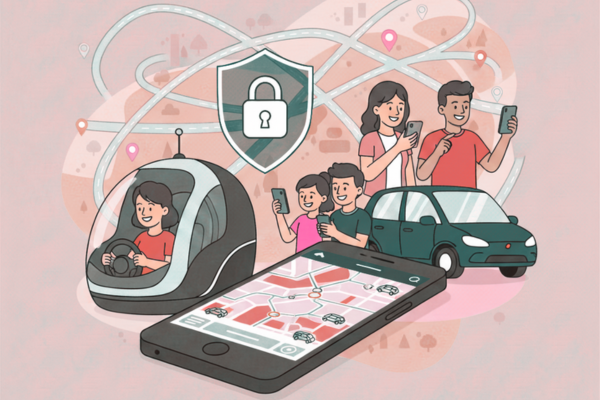
Conclusion
Smart mobility apps depend on location data to deliver real value. However, this same data carries serious responsibility. Without strong protection, apps risk losing users, facing legal trouble, and damaging their brand.
Location Data Security is not just about technology. It is about trust. Users want to know their movements are safe and respected. When apps show care for privacy, users respond with loyalty.
The best approach is simple. Collect only needed data. Protect it during transfer and storage. Limit access. Follow local laws. Explain everything clearly to users. These steps may sound basic, but they are powerful.
During our work on a smart mobility platform, data safety guided every decision. Security was built into the system from the start, not added later. This helped the platform grow with confidence and credibility.
As smart mobility continues to evolve, user awareness will increase. People will choose apps that respect their privacy and explain their data practices clearly. Companies that invest in strong security today will lead tomorrow.
In the end, safe data handling is not a cost. It is an advantage. It protects users, strengthens brands, and supports long-term success. Smart mobility apps that prioritize security will always stay one step ahead.
FAQs
Why is location data sensitive?
It shows personal movement and habits.
Do users need to give consent?
Yes, clear consent is required.
Is anonymized data safer?
Yes, it reduces privacy risks.
How often should security be reviewed?
Regularly, at least every few months.