

- Canada-based app development team
Agriculture & CleanTech App Development Company in Canada
A strong agriculture or CleanTech app is not just a dashboard squeezed into a phone. It should help the right user do the right thing at the right moment. That may mean helping a farm manager review crop-related activity while in the field. It may mean enabling a technician to inspect equipment and upload issue reports from a remote site.
Jump Start Your Business
Trusted by Canada's Leading Institutions












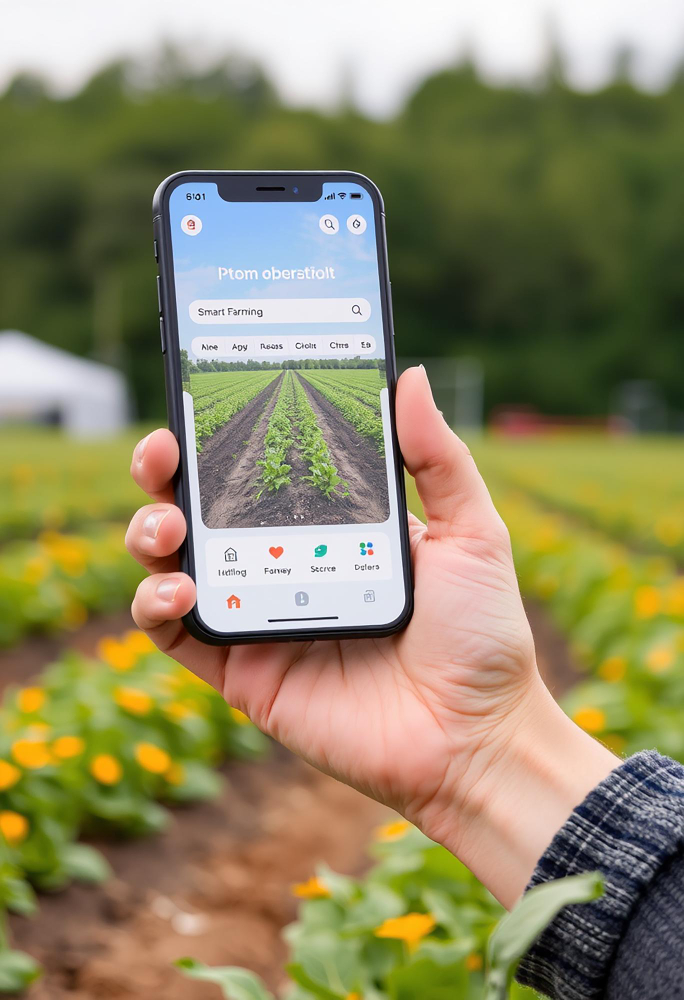
Build Agriculture and CleanTech Apps That Improve Operations, Visibility, and Sustainability
Agriculture and CleanTech are both being transformed by mobile technology.
Farm operators want better visibility into field activity, crop performance, inputs, equipment, labor, and environmental conditions. CleanTech businesses need more efficient ways to monitor energy use, sustainability metrics, environmental data, compliance workflows, and performance across distributed assets or projects. In both industries, mobile apps are becoming one of the most useful tools for turning operational complexity into something people can actually manage in the field and in real time.
At Canadian Software Agency, we design and develop custom agriculture and CleanTech mobile applications for iOS and Android that help businesses modernize how they collect data, manage activity, coordinate teams, and deliver insights. We build apps for farm operations, agri-startups, sustainability platforms, energy-focused companies, environmental service providers, and CleanTech innovators who need digital products that are practical, scalable, and grounded in real operational use.

Why Agriculture and CleanTech Apps Matter More Than Ever
These industries are increasingly data-driven, field-driven, and accountability-driven.
Agriculture businesses have to make decisions based on timing, conditions, costs, labor availability, equipment readiness, and crop performance. CleanTech organizations often work across projects, field assets, distributed sites, environmental metrics, reporting requirements, and performance targets. In both cases, decision-making suffers when information is scattered, delayed, or difficult to act on.
Mobile apps solve an important part of that problem because they bring operational access directly to the user in the moment when the information matters most.
- Better field and on-site visibility
A manager, technician, agronomist, operator, or field worker often needs access to information while away from a desk. Mobile apps allow data collection, monitoring, task handling, inspections, and reporting in real environments.
- Faster operational response
Apps reduce lag between observation and action. Instead of writing things down for later or relying on fragmented calls and messages, users can log issues, update statuses, view dashboards, and trigger workflows immediately.
- Better sustainability and compliance tracking
For CleanTech and sustainability-focused organizations, apps can make it much easier to capture, review, and communicate environmental data, site observations, energy usage, waste activity, or compliance-related information.
- Stronger data quality
When apps are designed properly, they make it easier to capture information in a structured way instead of losing it across spreadsheets, notebooks, emails, or disconnected tools.
- Better usability for distributed teams
Agriculture and CleanTech operations often involve multiple users across locations, seasons, sites, facilities, or service areas. Mobile products help standardize workflows and reduce confusion.
- Better product opportunities for startups
AgriTech and CleanTech startups increasingly need app-first products that deliver data, coordination, monitoring, reporting, or customer engagement through mobile channels. A strong app can become the core product experience.
A mobile app in these industries should not exist just to “digitize.” It should improve how work gets done, how information moves, and how decisions are made.
Challenges
Common Problems Agriculture and CleanTech Apps Help Solve
Disconnected field data collection
Many agriculture and environmental workflows still depend on manual notes, spreadsheets, messages, or delayed data entry. That creates inconsistency, incomplete reporting, and slower decision-making. An app can make field collection faster, cleaner, and more structured.
Poor visibility across sites, assets, or operations
Whether it is crop zones, irrigation equipment, renewable assets, energy systems, or environmental monitoring locations, teams often lack a simple way to understand what is happening across distributed operations.
Slow issue reporting and response
If users in the field notice a problem but do not have a clear way to report it with context, images, location, and timing, the business loses time and clarity. Apps help turn issue reporting into a structured workflow.
Weak sustainability and performance tracking
Organizations may want to track carbon, energy use, environmental performance, water-related data, emissions indicators, yield patterns, or maintenance activity, but the process is often too fragmented. A mobile app can support continuous, structured visibility.
Poor communication between operational users and management
Information often gets trapped at one layer of the organization. Mobile tools can help create better flow between field teams, management, analysts, technicians, and customers.
Difficulty scaling operations
As businesses add more fields, facilities, users, assets, projects, or service areas, existing systems often stop being manageable. Apps help create more repeatable and scalable operational behavior.
Underused data
Many organizations are already collecting information, but not in a way that is timely or useful. A good mobile app helps turn data capture into action rather than just storage.
Expertise
Our Agriculture & CleanTech App Development Services
Farm management app development
We build farm management apps that help agricultural businesses improve visibility into operations, field activity, planning, and day-to-day execution. Depending on the product, these apps can support:
- field records
- crop-related tracking
- labor or task coordination
- equipment updates
- seasonal activity monitoring
- issue reporting
- operational reminders
- inventory-related workflows
- reporting dashboards
A farm management app should make daily operations easier to understand, easier to act on, and easier to track over time.
Precision agriculture app development
Precision agriculture depends on timely information and field-level visibility. We build mobile products that support more data-driven decision-making around crop conditions, zones, applications, inspections, observations, and agronomic workflows. These apps may include:
- geolocation-linked field records
- image and note capture
- field scouting workflows
- map-linked observations
- treatment or application logs
- threshold alerts
- progress visibility
- integration with external systems where relevant
Field inspection and monitoring app development
Many agriculture and CleanTech businesses need field inspection apps for staff, agronomists, technicians, or service teams. We develop apps that support structured inspections, field notes, photo capture, checklists, issue categorization, and location-aware reporting.
These products are especially useful where work happens across large geographies or distributed assets.
Sustainability and environmental tracking app development
We build CleanTech and sustainability-focused mobile apps that help organizations track environmental metrics, sustainability initiatives, energy use, water-related activity, waste management flows, carbon-related indicators, or operational impact measurements. These products can support:
- data capture
- site reporting
- project-level tracking
- sustainability score visibility
- internal workflow coordination
- field-based assessments
- status and alert logic
Energy and utility app development
For CleanTech and energy-related businesses, we build apps that help users monitor usage, site activity, system performance, inspections, or customer-facing energy experiences. Depending on the product, the app may support technicians, operators, managers, or end users.
Asset and equipment app development
Many agriculture and CleanTech businesses rely on critical field or site assets. We build asset-focused apps that support:
- equipment status visibility
- service or inspection workflows
- issue logging
- maintenance-related updates
- usage tracking
- internal coordination
Carbon, reporting, and compliance workflow app development
For organizations focused on sustainability reporting, environmental compliance, or carbon-related tracking, we can develop apps that support structured data collection, verification workflows, internal reviews, site-level updates, and role-based visibility.
AgriTech and CleanTech startup app development
If you are building a startup in agriculture, sustainability, climate, or environmental technology, your app may be the core product. We help founders define the MVP, structure workflows, prioritize the most valuable features, and build mobile-first products that are practical to launch and designed to scale.
AI-enabled agriculture and CleanTech app development
Where it adds practical value, we help implement useful AI features such as:
- anomaly detection support
- smart field note analysis
- operational summaries
- recommendation layers
- pattern recognition assistance
- search and insight support
- predictive maintenance or threshold support
- user guidance within data-heavy workflows
We focus on AI that improves usability and decisions rather than adding noise.
- App Types
Types of Agriculture & CleanTech Apps We Build
We can build a wide range of mobile products for these sectors, including:
- farm management apps
- field scouting apps
- crop monitoring apps
- sustainability tracking apps
- CleanTech customer apps
- asset inspection apps
- renewable operations apps
- AgriTech startup MVPs
- precision agriculture apps
- irrigation and water-related apps
- equipment and maintenance apps
- carbon and environmental reporting apps
- energy monitoring apps
- waste and recycling workflow apps
- environmental services apps
- climate and impact tracking apps
Different businesses within agriculture and CleanTech need different products. A field scouting tool is not the same as a carbon reporting app. A solar operations product is not the same as a farm labor coordination app. We tailor the app to the actual use case and operating model.
Features
Core Features We Can Build Into a Agriculture or CleanTech App
A custom app in these sectors can include many capabilities depending on the business model, but common features include:
Field and operational features
- secure sign-in and role-based access
- site, field, or asset-based views
- task assignment and status updates
- location-aware records
- issue reporting
- inspection checklists
- image and video capture
- notes and observations
- maintenance logs
- alerts and reminders
- offline-friendly workflows
- progress visibility
Data and monitoring features
- metrics dashboards
- threshold-based alerts
- environmental tracking
- sustainability indicators
- crop or site observations
- energy or usage reporting
- historical trend views
- reporting snapshots
- analytics and summaries
Team and admin features
- user management
- operational dashboards
- workflow controls
- issue prioritization
- data validation flows
- team coordination
- reporting exports
- site segmentation
- activity audit trails
Advanced features
- AI-supported insights
- map and geolocation logic
- multilingual experiences
- integration with third-party sensors or data sources
- customer-facing reporting views
- account hierarchy logic
- event tracking and analytics
- CRM or ERP integrations where relevant
The best app structure depends on the actual problem being solved. We focus on product clarity rather than building feature-heavy tools that become hard to use in the field.
Working
How a Agriculture or CleanTech App Actually Works
Most serious apps in these sectors are not just standalone frontends. They are part of a broader system.
- Mobile app layer
This is the iOS or Android experience used by farm operators, field staff, technicians, managers, customers, analysts, or other users. It handles data entry, monitoring, status updates, observations, tasks, and mobile workflows.
- Backend system
The backend manages accounts, users, permissions, site and field data, asset records, task logic, alerts, reporting logic, and app-related workflows.
- Admin dashboard
Most serious products need a web-based admin or management layer where teams can monitor activity, review submissions, manage users, configure workflows, and analyze performance across sites or operations.
- Integration layer
Agriculture and CleanTech apps may need to connect with:
- sensors or IoT systems
- GIS or mapping tools
- energy systems
- internal databases
- analytics tools
- CRM or ERP systems
- weather-related data sources
- equipment platforms
- reporting systems
- internal APIs
This architecture matters because many products in these industries eventually outgrow simple mobile logging tools. Planning for the right system structure early helps avoid expensive rework later.
AI in Agriculture & CleanTech Apps
AI can be especially valuable in these industries when it helps users process complexity more efficiently.
Useful AI applications may include:
- issue pattern support
- field observation summarization
- anomaly flagging
- operational recommendations
- predictive maintenance support
- trend detection
- reporting assistance
- search across structured and unstructured records
- user guidance in data-heavy workflows
For example, an app might use AI to highlight unusual site performance, summarize recurring issues across field inspections, surface relevant recommendations, or help internal teams understand large volumes of operational data more quickly.
We focus on AI that helps users act faster and with more confidence.


Security
Security, Privacy, and Reliability
Agriculture and CleanTech apps often operate in demanding environments:
- remote fields
- industrial sites
- distributed assets
- poor connectivity conditions
- field inspections
- real-time or time-sensitive workflows
That means reliability matters just as much as features.
Our development approach emphasizes:
- secure authentication
- role-based access control
- stable backend architecture
- structured data capture
- clean permission logic
- scalable cloud-ready systems
- offline-conscious workflows where useful
- maintainable code
- analytics-ready event structures
A good mobile app in these sectors should feel dependable in real operating conditions, not just in ideal demos.
Integrations for Agriculture & CleanTech Apps
Apps in these sectors often rely on integrations with:
- sensors and IoT systems
- GIS and mapping providers
- weather data sources
- energy systems
- ERP or CRM platforms
- reporting systems
- maintenance tools
- environmental data platforms
- analytics tools
- internal APIs
Integration planning affects:
- data quality
- reporting accuracy
- workflow reliability
- long-term maintainability
- cross-system visibility
A mobile app in agriculture or CleanTech should fit naturally into the broader operational and reporting ecosystem rather than create another isolated tool.

Cost of Agriculture & CleanTech App Development in Canada
App development costs vary depending on the product scope, workflow complexity, number of user roles, data requirements, and integrations.
| Project Type | Estimated Cost (CAD) |
|---|---|
| Focused MVP | $25,000 to $50,000 |
| Mid-range Agriculture or CleanTech App | $50,000 to $120,000 |
| Advanced Multi-user Product | $120,000 to $250,000+ |
A focused field app is very different from a larger sustainability platform or an asset-heavy CleanTech system. That is why product discovery matters from the beginning.
The Workflow
Our Agriculture & CleanTech App Development Process
We follow a structured development process to ensure every project is delivered successfully.
Phase 1
Discovery and workflow mapping
We begin by understanding your users, field or site workflows, business model, reporting needs, and product goals.
Phase 2
Product planning
We define app modules, user roles, integrations, roadmap phases, feature priorities, and technical architecture.
Phase 3
UX and interface design
We design the product for the actual operating environment. In these sectors, the mobile experience must support clarity, speed, and usability in real-world conditions.
Phase 4
Development
We build the mobile app, backend systems, admin dashboard, and integration layer.
Phase 5
QA and testing
We test workflows, permissions, data capture logic, performance, edge cases, and device usability carefully before launch.
Phase 6
Launch and iteration
After launch, we support optimization, additional features, analytics-informed improvements, and future roadmap development.
Infrastructure
Technology Stack
The goal is not just modern technology. It is a practical app architecture that works in real operating conditions and scales with the business.
Swift
For iOS apps
Kotlin
For Android apps
React Native
For cross-platform apps
Node.js
For backend systems
PostgreSQL
Or MongoDB depending on the data model
AWS
And dashboard tooling
Analytics tools
Where relevant
AI
Integrations where relevant
Why Us
Why Choose Canadian Software Agency for Agriculture & CleanTech App Development in Canada
Apps in agriculture and CleanTech require more than generic mobile development. They depend on workflow clarity, field usability, data handling, integration planning, and long-term product strategy.
Clients choose us because:
- we build around real operational workflows
- we support both mobile apps and backend systems
- we understand dashboard-heavy and data-heavy digital products
- we think carefully about usability in field and industrial contexts
- we can integrate AI where it adds practical value
- we design for scalability and maintainability
- we help clients turn complex operations into usable digital products
For AgriTech startups, sustainability businesses, and CleanTech operators in Toronto and across Canada, that means working with a team that can help you build a stronger mobile product and a more effective operational experience.

Toronto HQ
Uniquely Canadian.
Real Results for Real Businesses
Explore how we solved complex technical challenges for industry leaders.
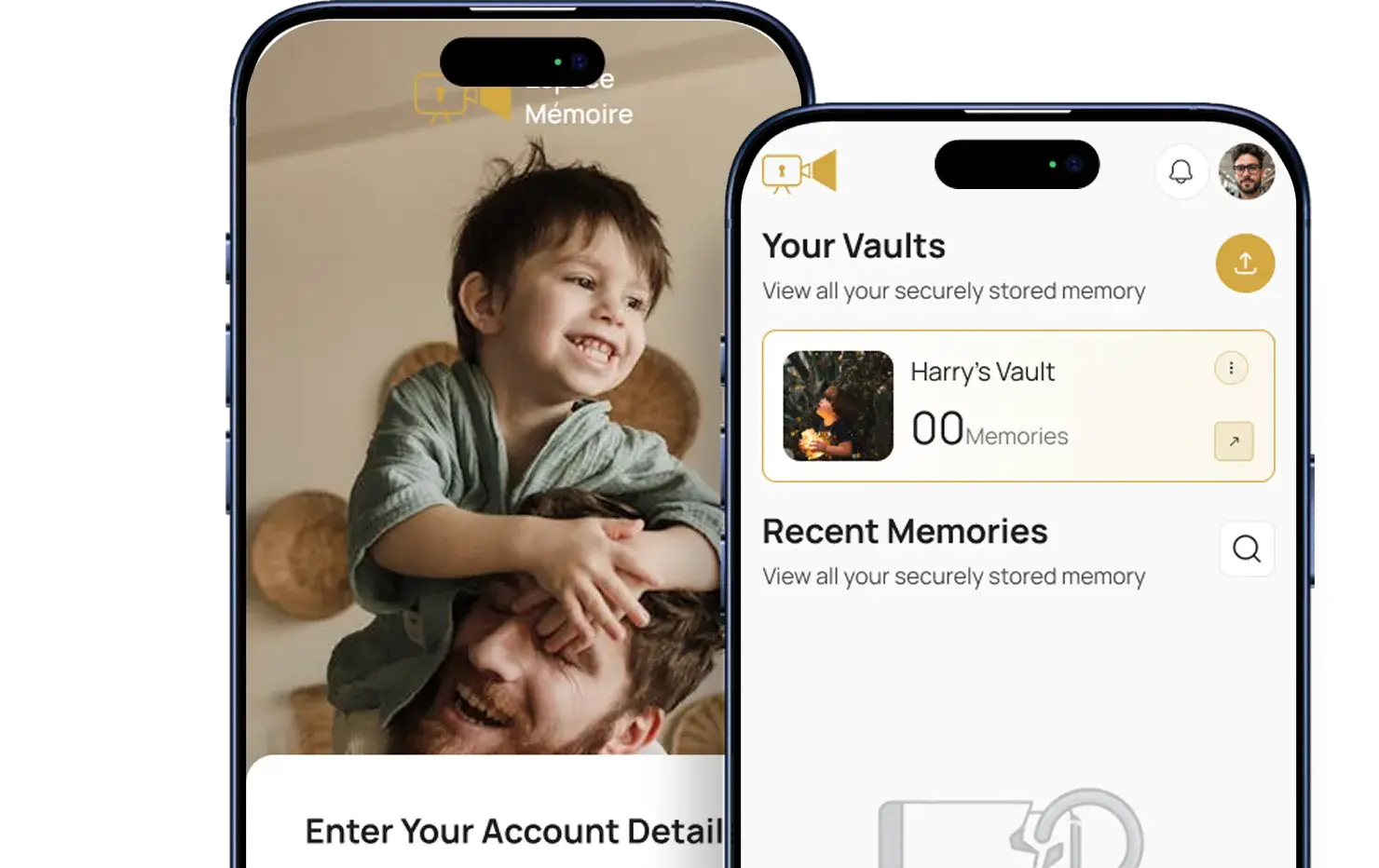
Espace Mémoire
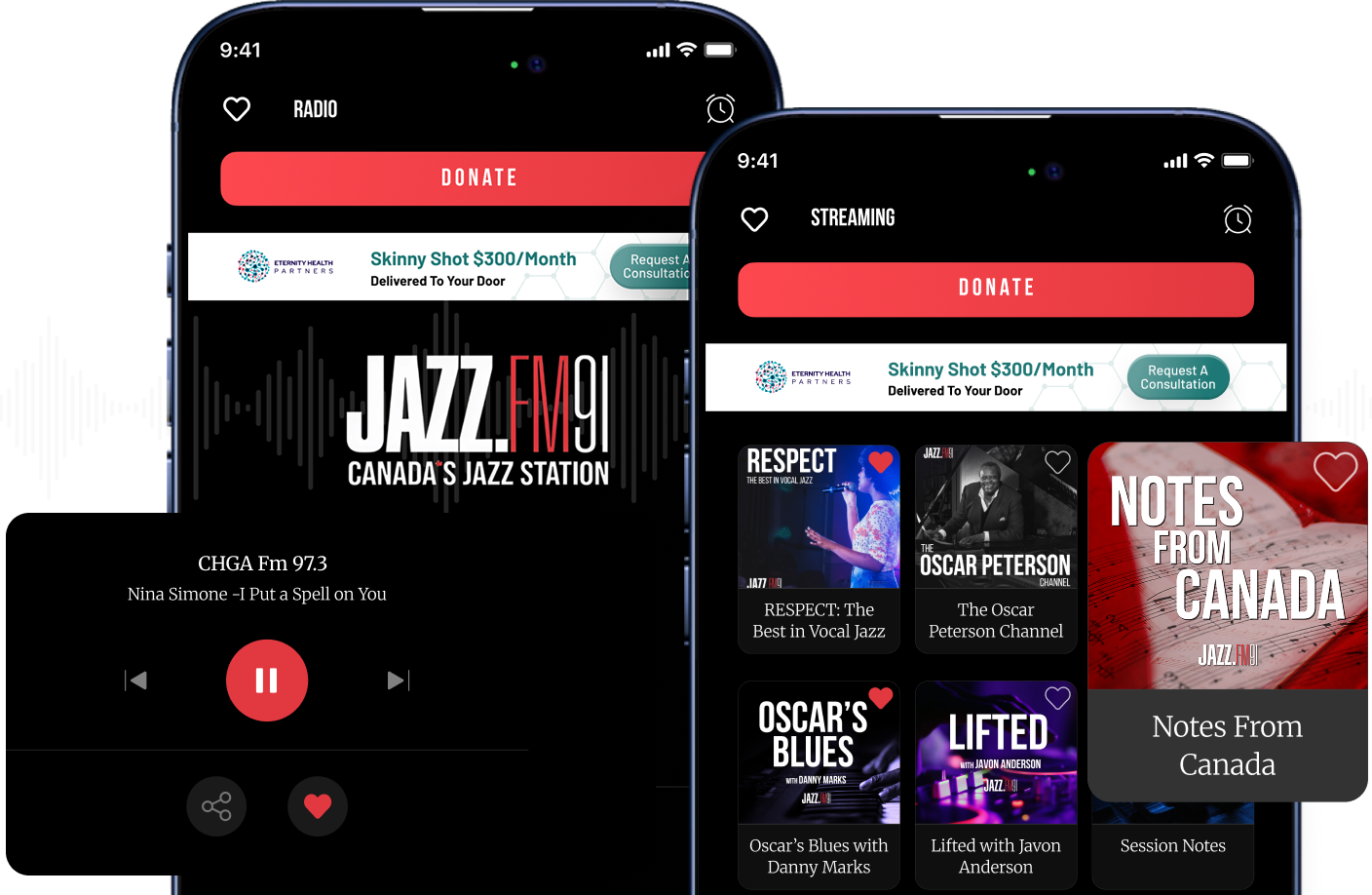
JazzFM
Player DEX
Related Development Services
Businesses looking for App development services often also require additional digital solutions to scale their platforms. Canadian Software Agency also provides:
Web Development Services in Toronto
Custom web platforms and scalable applications.
Mobile App Development Services
Native and cross-platform mobile apps for startups and enterprises
Game Development Services
Interactive gaming solutions for mobile and web platforms.
Ecommerce Development Services
Custom ecommerce platforms and WooCommerce solutions.
Questions
Everything You Need to Know
Frequently Asked Questions About Agriculture and CleanTech App Development
What types of agriculture and CleanTech apps can you build?
We build farm management apps, precision agriculture apps, field inspection apps, sustainability apps, environmental monitoring apps, energy tracking apps, asset management apps, and custom AgriTech and CleanTech mobile platforms.
Do you build agriculture and CleanTech apps for both iOS and Android?
Yes. We can build native iOS and Android apps or use a cross-platform framework such as React Native depending on the product goals and roadmap.
Can you build a farm management app?
Yes. We develop farm management apps that can support field activity tracking, operational updates, issue reporting, labor workflows, crop-related records, and dashboard visibility.
Can you build a sustainability or environmental tracking app?
Yes. We build apps that help organizations track environmental metrics, sustainability data, site-level performance, internal workflows, and reporting-related activity.
Can you build field inspection or technician apps?
Yes. We develop apps for inspections, issue logging, photo capture, task completion, status updates, and mobile field workflows.
Can your apps integrate with sensors, IoT systems, or mapping tools?
Yes. We can integrate with sensors, IoT systems, mapping and geolocation services, internal databases, reporting tools, and other third-party or internal systems where appropriate.
How much does agriculture or CleanTech app development cost in Canada?
Costs vary depending on scope and complexity. Focused MVPs may start around CAD $25,000 to $50,000, while more advanced multi-role products can range much higher.
How long does it take to build an agriculture or CleanTech app?
A focused MVP may take a few months, while a larger app with dashboards, field workflows, reporting, and integrations may take longer. Timelines depend on scope.
Can you build an AgriTech or CleanTech startup MVP?
Yes. We help startups define MVP scope and build mobile-first products that are practical to launch and structured to scale.
Can you add AI to an agriculture or CleanTech app?
Yes. We can implement practical AI features such as anomaly support, field-note summarization, pattern detection, reporting assistance, and recommendation layers.
Can you modernize our existing agriculture or CleanTech app?
Yes. If your current app is outdated, difficult to maintain, or no longer aligned with your workflows, we can redesign, rebuild, or enhance it.
Do you provide post-launch support?
Yes. We can support maintenance, optimization, and future roadmap development after launch.
Why our clients love us?
Read More Reviews




“They were proactive in addressing our needs and promptly responded to any concerns or inquiries we had. With Canadian Software Agency’s help, we increased online visibility, web traffic, and qualified leads.”
Debra Cafaro,
Chairman & CEO, Vintas

“They met expectations, and we’ve seen an increase in downloads and monthly users. Our business doubled from this new product line. Canadian Software Agency was ahead of schedule with deliverables — turnaround time was about 48 hours. They were passionate and efficient about their work and transformed the client’s vision into a viable product. ”
“They met expectations, and we’ve seen an increase in downloads and monthly users. Our business doubled from this new product line. Canadian Software Agency was ahead of schedule with deliverables — turnaround time was about 48 hours. ”
VP of Marketing, OSI Affiliate

“Canadian Software Agency was an excellent partner in bringing our vision to life! They managed to strike the right balance between aesthetics and functionality, ensuring that the end product was not only visually appealing but also practical and usable.”
Director – Nutrition for Lifestyle

Luke Schubert,
Head of Product, Open Forest Protocol

Director of Business Dev, LEFTY PRODUCTION CO.
“They met expectations, and we’ve seen an increase in downloads and monthly users. Our business doubled from this new product line. Canadian Software Agency was ahead of schedule with deliverables — turnaround time was about 48 hours. ”
Tariehk,
VP of Marketing, OSI Affiliate
“They were proactive in addressing our needs and promptly responded to any concerns or inquiries we had. With Canadian Software Agency’s help, we increased online visibility, web traffic, and qualified leads.”
Debra Cafaro,
Chairman & CEO, Vintas
Luke Schubert,
Head of Product, Open Forest Protocol
Director of Business Dev, LEFTY PRODUCTION CO.
“Canadian Software Agency was an excellent partner in bringing our vision to life! They managed to strike the right balance between aesthetics and functionality, ensuring that the end product was not only visually appealing but also practical and usable.”
Director – Nutrition for Lifestyle
Final Call
Let’s Build a Better Agriculture or CleanTech App
Whether you are launching an AgriTech startup, building a field operations product, improving environmental data collection, or creating a mobile-first sustainability platform, we can help you build an app that is scalable, practical, and aligned with your goals.
Development Across Canada
Canadian Software Agency provides development services across major Canadian cities including Toronto, Vancouver, Ottawa, Montreal, Calgary, and Edmonton.
