

- Canada-based app development team
Legal Tech App Development Company in Canada
A legal tech app is not just a mobile interface for checking files. It can become a powerful operational and client-facing tool. It can help clients communicate securely, upload documents, review case-related information, sign forms, receive updates, track progress, schedule consultations, and access services more conveniently.
Jump Start Your Business
Trusted by Canada's Leading Institutions












Build Legal Tech Apps That Improve Client Experience, Workflow Efficiency, and Digital Access
Legal services are changing.
Clients expect faster communication, better transparency, easier access to documents, and a more modern service experience. Law firms, legal startups, compliance-focused businesses, and legal departments are under pressure to reduce administrative work, improve internal coordination, and provide a smoother digital experience without compromising confidentiality or trust.
That is where legal tech app development becomes strategically valuable.
At Canadian Software Agency, we design and develop custom legal tech mobile applications for iOS and Android that help law firms, legal service businesses, in-house legal teams, legal startups, compliance providers, and related organizations create practical mobile products. We build apps that support clients, lawyers, case workers, legal operations teams, and businesses that need legal workflows to be more accessible and better organized.
A legal tech app is not just a mobile interface for checking files. It can become a powerful operational and client-facing tool. It can help clients communicate securely, upload documents, review case-related information, sign forms, receive updates, track progress, schedule consultations, and access services more conveniently. It can also help firms and legal organizations reduce back-and-forth communication, structure intake, improve document flow, and centralize key interactions.

Why Legal Tech Apps Matter More Than Ever
The legal industry has historically moved more slowly than many other sectors when it comes to digital product adoption. But user expectations have changed.
Clients are used to mobile-first banking, healthcare, and commerce experiences. They do not understand why accessing legal services should still feel opaque, slow, or manual. They expect:
- easy appointment booking
- fast status visibility
- secure messaging
- digital document sharing
- simplified intake
- mobile-friendly access to information
At the same time, legal professionals and operations teams need better internal efficiency.
Legal matters often involve a high volume of repetitive communication:
- intake questions
- missing documents
- updates on next steps
- reminders
- scheduling
- approvals
- signatures
- record access
- coordination between multiple parties
A custom mobile app can reduce much of this friction.
- Better client experience
A legal tech app can give clients more confidence and clarity by making it easier to understand what is happening, what is needed, and what comes next.
- Better document and intake flow
Many legal workflows start with incomplete information or scattered documentation. Apps help structure intake and reduce repetitive follow-ups.
- More efficient service delivery
Legal teams can spend less time answering routine questions and more time focusing on higher-value legal work.
- Stronger digital accessibility
For clients who are busy, remote, stressed, or navigating legal matters under pressure, mobile access can make the process feel more manageable.
- Better scalability for legal startups and service businesses
App-based delivery can help legal products and legal service businesses scale more effectively by creating structured workflows and repeatable digital processes.
A legal tech app should not try to replace legal judgment. It should make legal access and legal operations more usable, more organized, and more efficient.

Challenges
Common Problems Legal Tech Apps Help Solve
Poor client visibility into legal matters
Clients often do not know what stage they are at, what documents are missing, or when they should expect updates. A legal app can create clearer visibility and reduce anxiety.
Slow or fragmented communication
Phone calls, email threads, PDFs, and separate portals can make communication messy. Apps can centralize key interactions and reduce back-and-forth.
Manual intake processes
Many firms still rely on email forms, inconsistent data collection, or ad hoc information gathering. A mobile app can make intake more structured and complete.
Document handling inefficiency
Legal services depend heavily on documents. Uploading, reviewing, signing, and organizing them manually creates friction for both clients and staff.
Scheduling and follow-up friction
Booking consultations, collecting pre-meeting information, and reminding clients of next steps often involves too many disconnected actions.
Weak client retention or engagement
For firms that want to build more long-term client relationships or recurring legal service models, mobile apps can create stronger ongoing engagement.
Difficulty scaling legal operations
Legal startups and law firms may find it difficult to scale services consistently when too much of the process depends on manual coordination. A legal tech app can create a more structured delivery model.
Expertise
Our Legal Tech App Development Services
Legal client portal app development
We build mobile client portal apps that allow legal clients to access services more conveniently from their phones. Depending on the product, these apps can support:
- secure login
- consultation booking
- case or matter updates
- document access
- document upload
- messaging
- reminders
- task checklists
- signature workflows
- billing or payment visibility
A strong client portal app reduces friction and makes the legal process easier to navigate.
Legal intake app development
Intake is one of the most important parts of legal service delivery. We build legal intake apps that help firms collect client information, issue-specific details, supporting files, and eligibility-related data through structured mobile workflows.
These apps can reduce incomplete intake, improve lead qualification, and streamline what happens before legal work begins.
Case management companion app development
Some legal organizations need a mobile extension of a broader case or matter management environment. We build case management companion apps that help legal teams or clients access selected workflows from mobile devices. Depending on the use case, these apps may support:
- matter visibility
- deadlines
- client updates
- document interactions
- internal coordination
- task workflows
- status communication
Legal document workflow app development
We build apps that support document-heavy legal workflows, including:
- upload and collection
- review steps
- signature capture
- notifications
- client-side submission
- approval or acknowledgment workflows
These apps are especially useful for firms and legal products where documents are central to service delivery.
Compliance app development
Some legal and regulatory businesses need mobile products focused on compliance, reporting, internal acknowledgment, workflow tracking, or policy-related interactions. We build compliance-focused apps that support structured data flow and role-based usage.
Legal marketplace and service platform app development
For startups or legal businesses building digital-first service models, we can develop apps where users:
- find legal services
- request consultations
- match with lawyers or legal specialists
- upload information
- track ongoing service interactions
These products often require stronger platform thinking, backend systems, and admin tooling.
Legal startup app development
If you are building a legal startup, your mobile app may be the product itself. We help founders define MVP scope, shape workflows, and create app-based legal products that are practical to launch and structured to grow.
AI-enabled legal app development
Where it adds practical value, we help implement useful AI features such as:
- intake guidance
- document assistance flows
- legal service navigation support
- summarization
- smart search
- workflow support for repetitive interactions
- client-facing assistance for common questions
We focus on AI that improves user experience and efficiency without creating unnecessary risk or confusion.
- App Types
Types of Legal Tech Apps We Build
We can build a wide range of legal tech and legal service mobile products, including:
- legal client portal apps
- consultation booking apps
- document submission apps
- compliance apps
- legal marketplace apps
- in-house legal request apps
- AI legal assistance apps
- legal startup MVP apps
- law firm apps
- legal intake apps
- case management companion apps
- contract workflow apps
- corporate legal operations apps
- legal support and service apps
- regulatory workflow apps
Different legal business models need different types of products. A family law intake app is different from a corporate legal request app. A compliance workflow app is different from a consumer-facing legal services marketplace. We tailor the app around the specific workflow and audience.
Features
Core Features We Can Build Into a Legal Tech App
A custom legal tech app can include many different capabilities depending on the business model, but common features include:
Client-facing features
- secure sign-in and account management
- consultation booking
- digital intake forms
- document upload
- secure messaging
- matter or case status visibility
- reminders and notifications
- digital signature support
- task checklists
- file access
- billing or payment visibility
- help and support access
Lawyer, legal team, or operations features
- intake review
- workflow visibility
- client communication tools
- matter notes
- task updates
- team coordination
- status updates
- escalation workflows
- internal reminders
Admin and management features
- user and role management
- dashboard reporting
- intake performance visibility
- document pipeline monitoring
- workflow controls
- analytics and activity tracking
- audit trails
- segmentation by practice area or service type
Advanced features
- AI-assisted intake support
- multilingual experiences
- OCR/document extraction support where relevant
- e-signature workflows
- CRM integrations
- calendar and scheduling integrations
- compliance and acknowledgment tracking
- event tracking and analytics
The best legal tech apps are not overloaded. They are carefully structured around the most important workflows and the highest-friction moments in the client or legal team experience.
Working
How a Legal Tech App Actually Works
Many legal organizations ask for an app, but the app is usually only one part of the product system.
- Mobile app layer
This is the iOS or Android application used by clients, lawyers, staff, or regulated users. It handles the mobile workflows, notifications, access, and document interactions.
- Backend system
The backend manages users, permissions, matters or service workflows, appointments, documents, messaging logic, reminders, and app-related business rules.
- Admin dashboard
Most serious legal apps need a web-based dashboard where staff, lawyers, or operations teams can manage users, review submissions, control workflows, and analyze activity.
- Integration layer
Legal tech apps may need to connect with:
- CRMs
- calendar systems
- document services
- e-signature providers
- internal databases
- billing tools
- analytics platforms
- compliance systems
- internal APIs
This architecture is important because a strong app experience depends on much more than just mobile screens. If the backend and workflow logic are weak, the app becomes hard to trust and difficult to scale.

AI in Legal Tech Apps
AI can be valuable in legal apps when it supports clarity, efficiency, and better workflow handling.
Useful AI features may include:
- guided intake assistance
- structured question flows
- smart search across service information
- client support assistants
- summarization of routine submissions
- document-related support workflows
- internal operational assistance
- issue triage support
For example, a legal tech app might use AI to help clients answer intake questions more clearly, help them understand what type of service they need, or guide them through common next steps. It might also help internal teams process repetitive low-risk interactions more efficiently.
The key is to use AI where it improves usability and workflow speed, not where it introduces ambiguity.


Security
Security, Privacy, and Reliability
Legal apps often deal with confidential information, sensitive personal data, and document-heavy workflows. Security and privacy must be taken seriously from the beginning.
Our development approach emphasizes:
- secure authentication
- role-based access control
- encrypted data transport
- secure file handling
- backend validation
- clean permission structure
- cloud-ready infrastructure
- auditability where relevant
- maintainable architecture
We also think carefully about trust. Legal clients need products that feel stable, professional, and secure. A confusing or unreliable legal app undermines confidence quickly.
Integrations for Legal Tech Apps
Legal apps often rely on integrations with:
- CRM platforms
- calendar and scheduling tools
- e-signature providers
- document management systems
- billing systems
- compliance systems
- analytics tools
- internal APIs
Integration planning affects:
- workflow reliability
- user experience
- operational efficiency
- long-term maintainability
A legal tech app should fit into the broader service environment rather than create another disconnected system.

Cost of Legal Tech App Development in Canada
Legal tech app costs vary depending on complexity, workflows, integrations, and security needs.
| Project Type | Estimated Cost (CAD) |
|---|---|
| Focused MVP | $25,000 to $50,000 |
| Mid-range Legal App | $50,000 to $120,000 |
| Advanced Multi-user legal platform | $120,000 to $250,000+ |
A simple legal intake app is very different from a multi-role legal service platform or legal marketplace. That is why discovery and product planning matter so much.
The Workflow
Our Legal Tech App Development Process
We follow a structured development process to ensure every project is delivered successfully.
Phase 1
Discovery and property workflow mapping
We begin by understanding your users, legal service model, internal processes, and product goals.
Phase 2
Product planning
We define roles, app modules, roadmap phases, integrations, feature priorities, and technical architecture.
Phase 3
UX and interface design
We design the product around trust, clarity, structured workflows, and ease of use for clients and legal teams.
Phase 4
Development
We build the mobile app, backend systems, admin dashboard, and required integrations.
Phase 5
QA and testing
We test permissions, workflows, edge cases, document flows, and overall reliability carefully before launch.
Phase 6
Launch and iteration
After launch, we support optimization, feature growth, analytics-informed improvements, and future roadmap development.
Infrastructure
Technology Stack
The goal is not just modern technology. It is a practical app architecture that works in real operating conditions and scales with the business.
Swift
For iOS apps
Kotlin
For Android apps
React Native
For cross-platform apps
Node.js
For backend systems
PostgreSQL
Or MongoDB depending on the data model
AWS
And dashboard tooling
Analytics tools
Where relevant
AI
Integrations where relevant
Why Us
Why Choose Canadian Software Agency for Legal Tech App Development in Canada
Legal tech apps require more than app development alone. They need workflow thinking, trust-oriented UX, security-conscious architecture, integration planning, and long-term product strategy.
Clients choose us because:
- we build around real legal and compliance workflows
- we support both mobile apps and backend systems
- we think carefully about client experience and operational efficiency
- we design products that are practical to launch and structured to scale
- we can integrate AI where it adds real value
- we understand multi-user systems, dashboards, and document-heavy workflows
- we focus on long-term maintainability, not just delivery speed
For legal service businesses, legal startups, and legal operations teams in Toronto and across Canada, that means working with a team that can help you create a stronger digital legal product.

Toronto HQ
Uniquely Canadian.
Real Results for Real Businesses
Explore how we solved complex technical challenges for industry leaders.
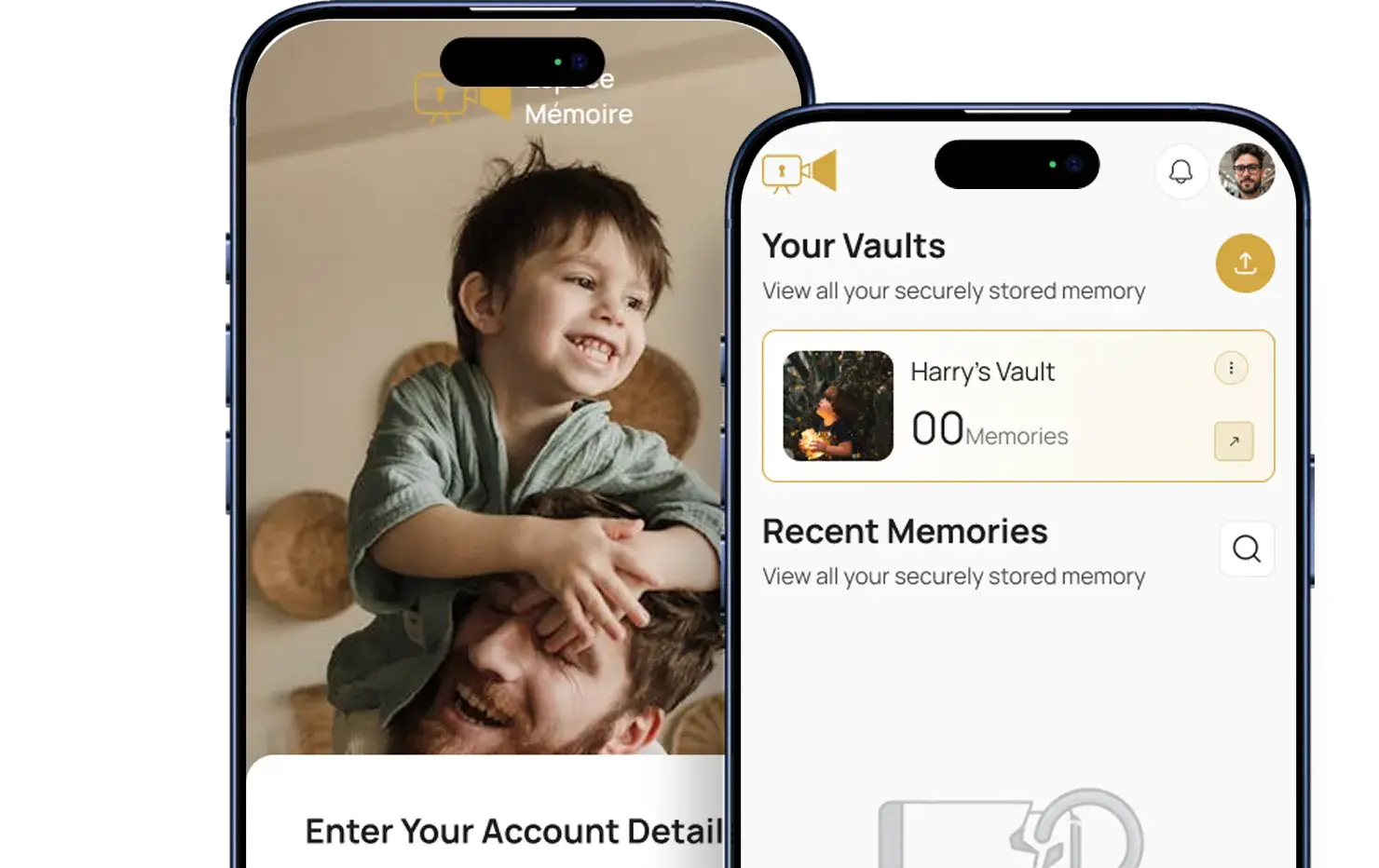
Espace Mémoire
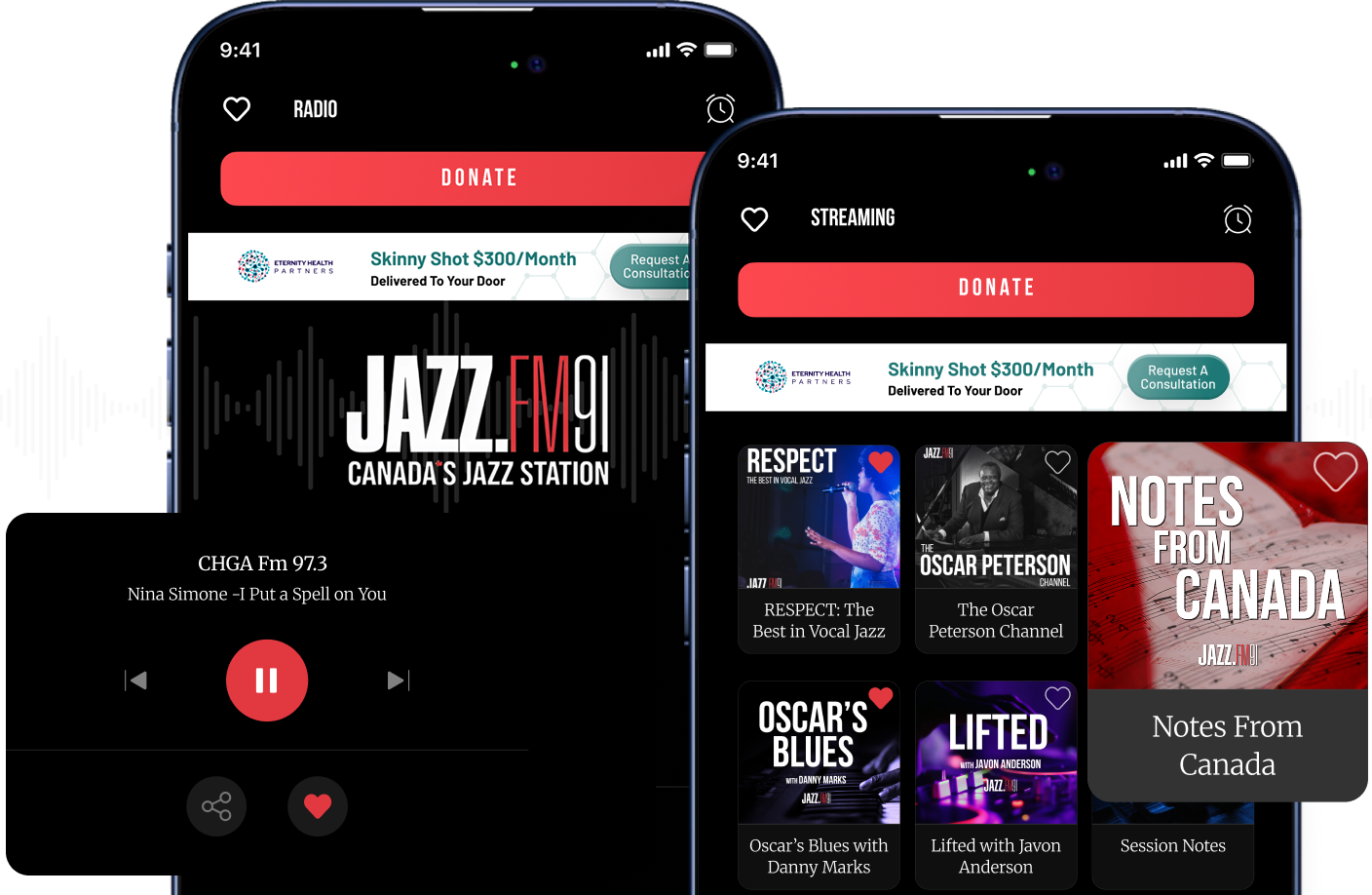
JazzFM
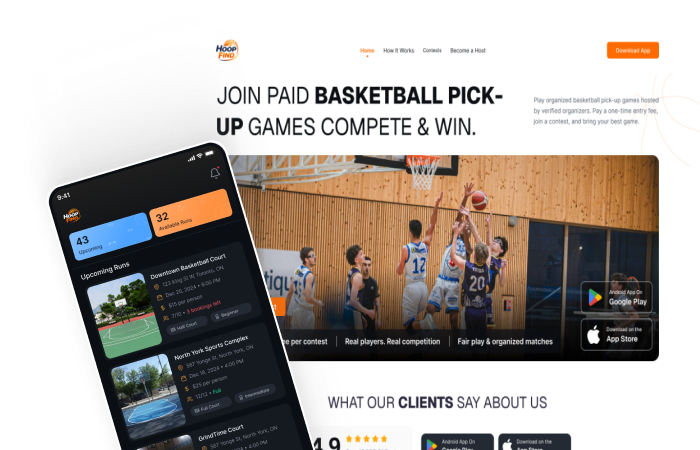
HoopFind
Related Development Services
Businesses looking for App development services often also require additional digital solutions to scale their platforms. Canadian Software Agency also provides:
Web Development Services in Toronto
Custom web platforms and scalable applications.
Mobile App Development Services
Native and cross-platform mobile apps for startups and enterprises
Game Development Services
Interactive gaming solutions for mobile and web platforms.
Ecommerce Development Services
Custom ecommerce platforms and WooCommerce solutions.
Questions
Everything You Need to Know
Frequently Asked Questions About Legal Tech App Development
What types of legal tech apps can you build?
We build legal client portal apps, legal intake apps, law firm apps, case management companion apps, compliance apps, contract workflow apps, legal marketplace apps, and custom legal service mobile platforms.
Do you build legal apps for both iOS and Android?
Yes. We can build native iOS and Android apps or use a cross-platform framework such as React Native depending on the product goals and roadmap.
Can you build a client portal app for our law firm?
Yes. We build legal client portal apps that can support consultation booking, document upload, status visibility, secure messaging, reminders, and related workflows.
Can you build a legal intake app?
Yes. We develop intake-focused apps that help collect structured client information, supporting documents, and issue-specific details before review by your team.
Can you build compliance or regulatory workflow apps?
Yes. We build compliance-focused apps that support acknowledgment, reporting, issue tracking, workflow visibility, and role-based access where required.
Can your legal apps integrate with our existing systems?
Yes. We can integrate with CRM systems, calendar tools, e-signature providers, billing tools, analytics platforms, internal databases, and other third-party or internal systems where appropriate.
How much does legal tech app development cost in Canada?
Costs vary depending on the product scope and complexity. Focused MVPs may start around CAD $25,000 to $50,000, while more advanced multi-role legal products can range much higher.
How long does it take to build a legal tech app?
A focused MVP may take a few months, while a larger product with dashboards, document workflows, and integrations may take longer. Timelines depend on scope and complexity.
Can you build a legal startup MVP?
Yes. We help legal tech startups define MVP scope and build mobile-first products that are practical to launch and structured to grow.
Can you modernize our existing legal app?
Yes. If your current app is outdated, difficult to maintain, or no longer aligned with your workflows, we can redesign, rebuild, or enhance it.
Do you provide post-launch support?
Yes. We can support maintenance, product enhancements, and future roadmap development after launch.
Can you add AI to a legal tech app?
Yes. We can implement practical AI features such as intake support, smart search, summarization, guided workflows, and client-facing assistance for selected interactions.
Why our clients love us?
Read More Reviews




“They were proactive in addressing our needs and promptly responded to any concerns or inquiries we had. With Canadian Software Agency’s help, we increased online visibility, web traffic, and qualified leads.”
Debra Cafaro,
Chairman & CEO, Vintas

“They met expectations, and we’ve seen an increase in downloads and monthly users. Our business doubled from this new product line. Canadian Software Agency was ahead of schedule with deliverables — turnaround time was about 48 hours. They were passionate and efficient about their work and transformed the client’s vision into a viable product. ”
“They met expectations, and we’ve seen an increase in downloads and monthly users. Our business doubled from this new product line. Canadian Software Agency was ahead of schedule with deliverables — turnaround time was about 48 hours. ”
VP of Marketing, OSI Affiliate

“Canadian Software Agency was an excellent partner in bringing our vision to life! They managed to strike the right balance between aesthetics and functionality, ensuring that the end product was not only visually appealing but also practical and usable.”
Director – Nutrition for Lifestyle

Luke Schubert,
Head of Product, Open Forest Protocol

Director of Business Dev, LEFTY PRODUCTION CO.
“They met expectations, and we’ve seen an increase in downloads and monthly users. Our business doubled from this new product line. Canadian Software Agency was ahead of schedule with deliverables — turnaround time was about 48 hours. ”
Tariehk,
VP of Marketing, OSI Affiliate
“They were proactive in addressing our needs and promptly responded to any concerns or inquiries we had. With Canadian Software Agency’s help, we increased online visibility, web traffic, and qualified leads.”
Debra Cafaro,
Chairman & CEO, Vintas
Luke Schubert,
Head of Product, Open Forest Protocol
Director of Business Dev, LEFTY PRODUCTION CO.
“Canadian Software Agency was an excellent partner in bringing our vision to life! They managed to strike the right balance between aesthetics and functionality, ensuring that the end product was not only visually appealing but also practical and usable.”
Director – Nutrition for Lifestyle
Final Call
Let’s Build a Better Legal Tech App
Whether you are launching a legal startup, modernizing a law firm’s client experience, building a compliance product, or creating a mobile-first legal service platform, we can help you build a legal tech app that is secure, scalable, and aligned with your goals.
Development Across Canada
Canadian Software Agency provides development services across major Canadian cities including Toronto, Vancouver, Ottawa, Montreal, Calgary, and Edmonton.
