

- Canada-based software team
Custom Logistics & Transportation Software Development Company in Canada
Logistics runs on visibility, speed, coordination, and control. Whether you need a transportation management system, a fleet tracking platform, a route optimization tool, a warehouse operations dashboard, a shipment portal, or an AI-powered logistics workflow solution, we build software designed to reduce friction, improve performance, and support growth.
Jump Start Your Business
Trusted by Canada's Leading Institutions













Logistics Software Development for More Efficient, Connected Operations
Logistics and transportation businesses operate in environments where timing, accuracy, and coordination matter every day. A small delay in communication, routing, dispatching, inventory visibility, or shipment tracking can create a chain reaction across customers, drivers, warehouses, and operations teams. As customer expectations rise and supply chains become more dynamic, many businesses are realizing that legacy systems and disconnected tools are no longer enough.
Modern logistics depends on connected software.
Operations teams need real-time visibility into vehicles, shipments, routes, warehouse activity, and delivery status. Dispatchers need tools that help them make quick decisions with confidence. Managers need reporting they can trust. Customers increasingly expect transparency, alerts, digital access, and predictable service. Leadership needs dashboards that bring together the data required to improve efficiency, control costs, and scale operations intelligently.

Local Authority
Why Custom Logistics Software Matters
There are many logistics products available in the market, but not every business operates the same way. A last-mile delivery company has different workflow needs than a freight operator. A warehouse-heavy business requires different capabilities from a broker or distributor. A transportation company serving enterprise customers may need deeper reporting, custom portals, and client-specific workflows that off-the-shelf tools do not handle well.
Custom logistics software helps organizations:
- Centralize shipment, fleet, and operational data
- improve route planning and dispatch workflows
- Reduce manual coordination and duplicate work
- create stronger customer visibility and self-service
- improve warehouse and fulfillment efficiency
- support integration with existing systems and devices
- build better dashboards and performance reporting
- modernize outdated transportation workflows
- create scalable infrastructure for long-term growth
Challenges
Common Challenges in Logistics and Transportation Technology
These are exactly the kinds of challenges that custom logistics software is built to solve.
Fragmented operational systems
Many logistics companies use separate systems for dispatching, fleet tracking, customer communication, warehouse management, order handling, reporting, and billing. When those tools do not connect well, teams lose time and visibility.
Limited real-time visibility
Without real-time access to shipment status, driver activity, route changes, exceptions, and operational bottlenecks, management has to make decisions reactively instead of proactively.
Manual dispatch and coordination
In many operations, dispatching still depends heavily on calls, emails, spreadsheets, and manual updates. That slows response times and increases the risk of errors.
Weak customer communication
Customers increasingly expect accurate updates, shipment visibility, and predictable service. If information is delayed or difficult to access, customer satisfaction falls and support volume rises.
Poor warehouse and fulfillment visibility
Warehousing and inventory operations are often tightly connected to transportation outcomes. If internal software does not show what is happening in real time, planning becomes less reliable.
Inadequate reporting and analytics
Leadership teams need to understand route efficiency, delivery performance, dwell times, utilization, cost drivers, exception trends, and service patterns. Without centralized dashboards, those insights are harder to access.
Scalability challenges
As logistics businesses add more customers, routes, vehicles, warehouses, products, or service regions, legacy systems often become difficult to extend and harder to trust.
Expertise
Our Custom Logistics & Transportation Software Development Services
Transportation Management Systems (TMS)
We build custom transportation management systems that help logistics businesses plan, execute, monitor, and optimize transportation workflows. A custom TMS can support dispatching, shipment management, route coordination, customer access, tracking, exception handling, and performance reporting in one connected environment.
Fleet Management Platforms
We create fleet management software that helps companies monitor vehicles, track performance, manage schedules, support maintenance workflows, and improve operational visibility. Whether you manage a small fleet or a large transportation operation, a centralized fleet platform can improve control and planning.
Route Optimization Tools
Routing has a direct impact on cost, service quality, and operational efficiency. We build route planning and route optimization systems that help businesses improve delivery logic, reduce unnecessary travel, respond to changing conditions, and create stronger planning workflows for dispatch teams.
Shipment Tracking and Customer Portals
Customers increasingly expect digital shipment visibility. We build tracking portals and customer-facing logistics platforms that allow users to check order or shipment status, receive updates, access relevant documents, and interact more smoothly with logistics providers.
Warehouse and Logistics Operations Software
We develop warehouse and logistics operations software that supports inventory workflows, inbound and outbound coordination, internal task visibility, reporting, and operational control. In many logistics environments, warehouse and transportation workflows need to be treated as part of one connected system rather than isolated functions.
Driver and Field Mobility Tools
Mobile tools can be critical for drivers, field teams, delivery staff, and operational users who need quick access to schedules, updates, task information, statuses, documents, or communication workflows. We build mobile apps and mobile-friendly tools that are focused on practical field usage.
Supply Chain Dashboards and Analytics Platforms
We build dashboards that centralize data across transport, warehouse, shipment, customer, and operational workflows. This helps leadership monitor key metrics such as utilization, route performance, on-time delivery, exception rates, throughput, and service efficiency from one place.
Platform Modernization for Logistics Businesses
If you already have an internal platform or legacy software environment but it is difficult to maintain, lacking visibility, or limiting growth, we can help modernize it. That may involve frontend redesign, backend restructuring, workflow improvements, analytics layers, better integrations, or migration toward a more scalable architecture.
- Core Features
Core Features We Can Build Into Your Logistics Platform
Custom logistics platforms can include a wide range of capabilities depending on the business model, but common features often include:
- secure user authentication and role-based access
- shipment creation and tracking
- vehicle and driver records
- customer portals and shipment visibility
- warehouse task and inventory-related workflows
- document upload and record management
- searchable centralized records
- API integrations with third-party systems
- analytics and KPI dashboards
- dispatch and routing workflows
- fleet monitoring and status visibility
- route planning and optimization tools
- alerts, notifications, and exception handling
- admin dashboards and reporting
- operational activity logs and audit trails
- mobile-responsive or app-based field tools
- permissions by customer, team, region, or function
- AI-assisted workflow or reporting features
The goal is not to overload the platform with features. The goal is to create the right digital workflows for your operation.
A transportation business focused on dispatch and route efficiency has different needs from a warehouse-heavy business. A B2B logistics platform serving enterprise clients has different customer-facing requirements from a last-mile delivery service. That is why thoughtful planning matters before development begins.
The Workflow
Our Logistics Software Development Process
We follow a structured development process to ensure every project is delivered successfully.
Phase 1
Discovery and strategy
We begin by understanding your workflows, stakeholders, operational model, systems, data structure, and growth goals.
Phase 2
Product planning
We define modules, user roles, reporting needs, integrations, roadmap phases, and the recommended technical architecture.
Phase 3
UX and interface design
We design experiences for dispatchers, customers, drivers, warehouse users, admins, and management with a focus on clarity and usability.
Phase 4
Architecture and development
We build the frontend, backend, dashboards, data models, integrations, mobile tools, and operational workflows required for the platform.
Phase 5
QA and refinement
We test workflows, permissions, responsiveness, data logic, integrations, and edge cases carefully before launch.
Phase 6
Launch and iteration
After deployment, we continue refining the platform based on usage, operational feedback, analytics, and future roadmap priorities.
Local Authority
Logistics Businesses We Serve
We support a wide range of logistics and transportation-related businesses, including:
- Transportation and freight companies
We help transportation businesses improve dispatching, visibility, fleet coordination, customer communication, and operational reporting.
- Last-mile delivery operations
For businesses focused on final-mile execution, routing efficiency, status visibility, and customer updates are especially important. We build software that supports those priorities.
- Warehouse and distribution businesses
Warehouse-heavy operations often need better control over inventory movement, task visibility, fulfillment coordination, and reporting across internal workflows.
- Supply chain service providers
Businesses that manage complex movement of goods across multiple steps often need centralized dashboards, workflow systems, and integration layers that create visibility across the chain.
- Enterprise operations with internal logistics needs
Some organizations need internal transportation or logistics systems to support broader business functions. We can build those kinds of internal platforms as well.

Toronto HQ
Uniquely Canadian.
AI in Logistics Software
AI is highly relevant in logistics when it is applied to practical operational challenges.
We help logistics businesses evaluate and implement useful AI applications such as:
- Route and planning support layers
- operational anomaly detection
- predictive reporting and trend visibility
- workflow summarization and coordination support
- customer support assistants
- search across shipment or operations data
- exception classification and prioritization
- document processing assistance
- management insight layers tied to dashboard data
In many logistics environments, the strongest first use of AI is not a complicated transformation project. It is a targeted workflow improvement that saves time, improves visibility, or helps teams respond faster.
AI should support operations, not distract from them.

Features
Security, Performance, and Operational Reliability
Logistics software often supports time-sensitive workflows where delays and system issues can create immediate operational problems. That means reliability matters just as much as functionality.
Our approach emphasizes:
- scalable architecture for growing operations
- secure authentication and role-based access
- structured backend validation
- reliable APIs and integration patterns
- cloud-ready infrastructure
- strong admin controls and user management
- performance-focused implementation
- maintainable code and extensible architecture
- systems designed to handle operational complexity over time
A logistics platform should remain dependable under pressure. It should support active teams, changing operational conditions, and high-frequency interactions without becoming unstable or difficult to manage.
Integrations and Interoperability
Logistics businesses rarely operate within one software system. There are often ERPs, warehouse tools, CRMs, telematics platforms, customer systems, finance tools, internal databases, shipment data sources, and third-party APIs involved.
The 247 Labs logistics page explicitly emphasizes integrations with ERPs, CRMs, and IoT devices as part of a unified logistics ecosystem, which reinforces how central interoperability is in this industry. (247 Labs)
That is why integration strategy is such an important part of logistics software development.
We think carefully about:
- which platform should own which data
- how shipment and operational information should sync
- what users need to see in real time
- how dashboards should aggregate information
- what systems should remain separate vs. unified
- how future expansion affects architecture decisions
The goal is not just technical connectivity. It is operational clarity.
When logistics systems work together properly, businesses reduce manual updates, improve responsiveness, and gain better visibility across the full operation.


Approach
What Makes Our Approach Different
We do not approach logistics software as just another business app. We approach it as an operational system.
That means understanding:
- dispatching and coordination workflows
- movement of goods and information
- team roles across operations
- visibility gaps and data bottlenecks
- customer communication needs
- reporting requirements for management
- system dependencies and integrations
- opportunities for automation and AI
- architecture needed for long-term scalability
From there, we design platforms that improve both execution and visibility. Many vendors can build interfaces. Fewer can build a logistics platform that feels operationally coherent and supports long-term growth.
That is where we focus. Our team is especially well suited for:
- multi-user logistics platforms
- dashboard-heavy operational systems
- customer-facing shipment portals
- fleet and route management tools
- warehouse and internal workflow platforms
- AI-ready logistics software
- modernization of fragmented legacy systems
- integration-focused enterprise software
Infrastructure
Technology Stack
We choose the stack based on product needs, but commonly work with:
React
For modern web applications
Node.js
For scalable backend systems
PostgreSQL
Or MongoDB depending on data requirements
AWS
Or Azure for cloud infrastructure
Mobile technologies
For iOS and Android apps
Analytics
And dashboard tooling
Why Us
Why Choose Canadian Software Agency for Logistics Software Development in Canada
Choosing the right logistics software development company is about more than development speed. It is about whether your partner can understand operational complexity, data visibility, internal workflows, customer experience, and long-term platform strategy.
Clients work with us because:
- we build around real logistics workflows
- we are strong in dashboards, centralized systems, and admin platforms
- we think carefully about operational visibility and automation
- we support both customer-facing and internal logistics software
- we design for usability and scale
- we plan for integrations from the beginning
- we can incorporate AI where it creates practical value
- we approach projects with a product and systems mindset
For logistics businesses in Toronto and across Canada, that means working with a software partner that can help create a stronger digital backbone for operations, performance, and growth.
Toronto HQ
Uniquely Canadian.
Real Results for Real Businesses
Explore how we solved complex technical challenges for industry leaders.
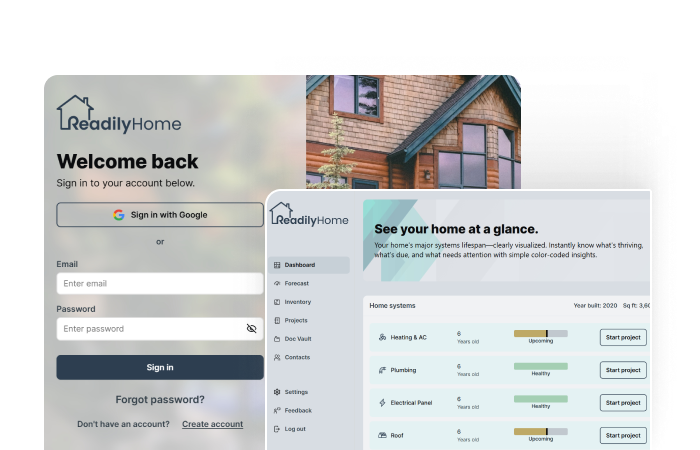
ReadilyHome
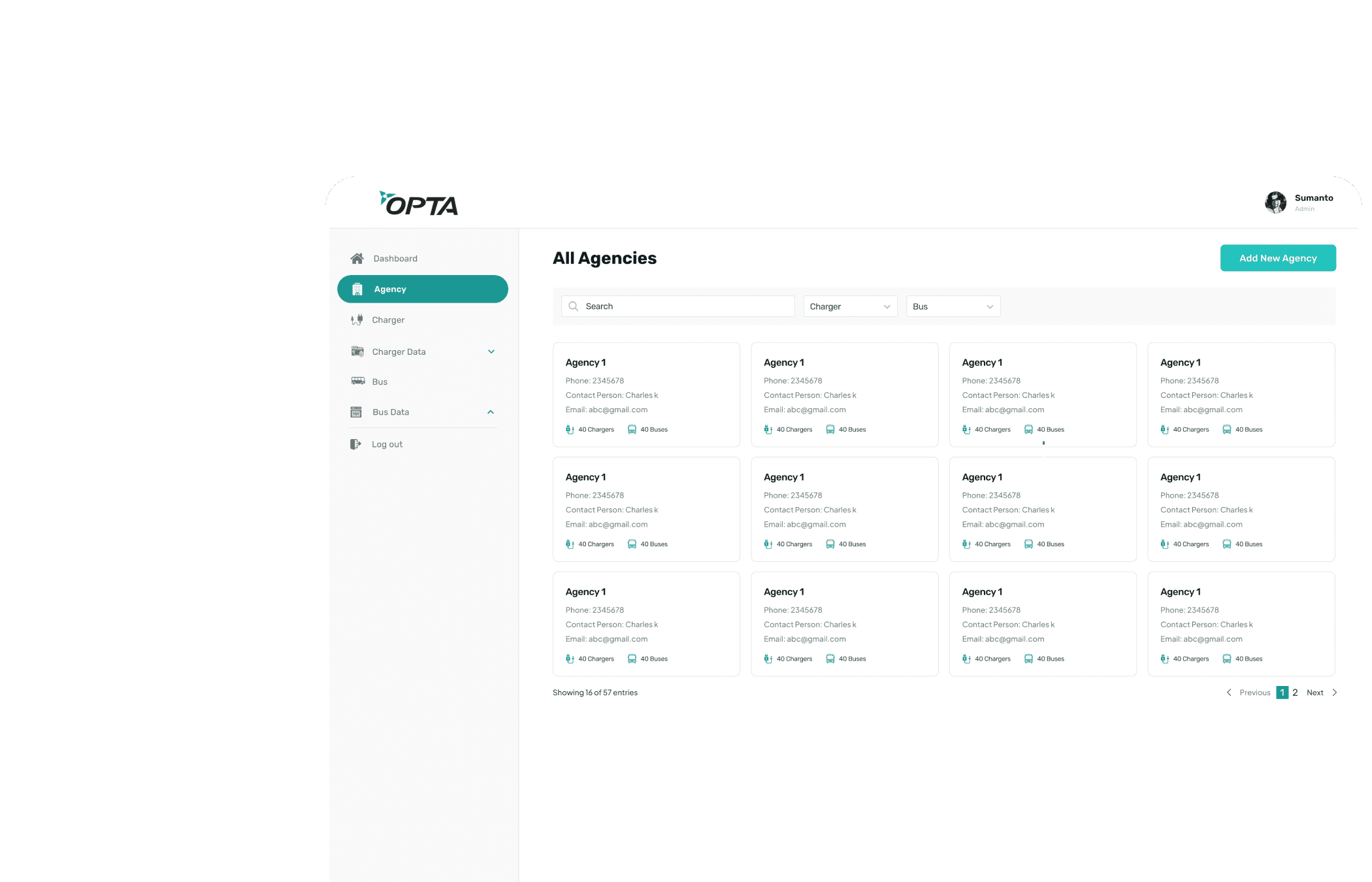
OPTA Dash

Cloud 9
Related Development Services
Businesses looking for Software development services often also require additional digital solutions to scale their platforms. Canadian Software Agency also provides:
Web Development Services in Toronto
Custom web platforms and scalable applications.
Mobile App Development Services
Native and cross-platform mobile apps for startups and enterprises
Game Development Services
Interactive gaming solutions for mobile and web platforms.
Ecommerce Development Services
Custom ecommerce platforms and WooCommerce solutions.
Questions
Everything You Need to Know
Transparent answers about our Canadian-first development philosophy.
What types of logistics software can you build?
We build transportation management systems, fleet management platforms, route optimization tools, shipment portals, warehouse workflow software, logistics dashboards, customer tracking portals, and custom multi-user logistics platforms.
Do you build software for transportation companies, warehouses, and logistics startups?
Yes. We support transportation providers, freight and delivery companies, warehouses, distributors, supply chain service businesses, logistics startups, and enterprises with internal logistics workflows.
Can you build a transportation management system?
Yes. We can build a custom TMS tailored to your dispatching, tracking, workflow, reporting, customer access, and operational requirements.
Can you build fleet management software?
Yes. We develop fleet platforms that support tracking, visibility, status monitoring, maintenance-related workflows, and operational reporting.
Can you build customer shipment tracking portals?
Yes. We create customer-facing logistics portals that improve visibility, reduce support load, and support better communication around shipment status and service activity
Can you modernize our current logistics platform?
Yes. If your current system is outdated, fragmented, or limiting operational visibility, we can redesign, rebuild, or enhance it in phases.
Can you integrate with our existing logistics systems?
Yes. We can connect your platform with ERPs, CRMs, warehouse tools, telematics systems, internal databases, analytics tools, and other third-party or internal systems where appropriate.
How long does logistics software development take?
Timelines depend on the number of modules, integrations, user roles, and workflow complexity. Smaller MVPs can move more quickly, while larger platforms typically require phased delivery.
How much does custom logistics software development cost?
The cost depends on features, integrations, reporting requirements, user roles, and whether the project is a new build or modernization effort. Most serious projects are best scoped through discovery.
Can you add AI to logistics software?
Yes. We can implement practical AI features such as planning support, anomaly detection, workflow summaries, search assistance, dashboard insight layers, and operational automation support.
Why our clients love us?
Read More Reviews




“They were proactive in addressing our needs and promptly responded to any concerns or inquiries we had. With Canadian Software Agency’s help, we increased online visibility, web traffic, and qualified leads.”
Debra Cafaro,
Chairman & CEO, Vintas

“They met expectations, and we’ve seen an increase in downloads and monthly users. Our business doubled from this new product line. Canadian Software Agency was ahead of schedule with deliverables — turnaround time was about 48 hours. They were passionate and efficient about their work and transformed the client’s vision into a viable product. ”
“They met expectations, and we’ve seen an increase in downloads and monthly users. Our business doubled from this new product line. Canadian Software Agency was ahead of schedule with deliverables — turnaround time was about 48 hours. ”
VP of Marketing, OSI Affiliate

“Canadian Software Agency was an excellent partner in bringing our vision to life! They managed to strike the right balance between aesthetics and functionality, ensuring that the end product was not only visually appealing but also practical and usable.”
Director – Nutrition for Lifestyle

Luke Schubert,
Head of Product, Open Forest Protocol

Director of Business Dev, LEFTY PRODUCTION CO.
“They met expectations, and we’ve seen an increase in downloads and monthly users. Our business doubled from this new product line. Canadian Software Agency was ahead of schedule with deliverables — turnaround time was about 48 hours. ”
Tariehk,
VP of Marketing, OSI Affiliate
“They were proactive in addressing our needs and promptly responded to any concerns or inquiries we had. With Canadian Software Agency’s help, we increased online visibility, web traffic, and qualified leads.”
Debra Cafaro,
Chairman & CEO, Vintas
Luke Schubert,
Head of Product, Open Forest Protocol
Director of Business Dev, LEFTY PRODUCTION CO.
“Canadian Software Agency was an excellent partner in bringing our vision to life! They managed to strike the right balance between aesthetics and functionality, ensuring that the end product was not only visually appealing but also practical and usable.”
Director – Nutrition for Lifestyle
Final Call
Let’s Build a Better Logistics Platform
Whether you are launching a new transportation product, improving dispatch and tracking workflows, modernizing internal operations, or building a stronger supply chain visibility platform, we can help you create logistics software that is scalable, practical, and aligned with your business goals.
Development Across Canada
Canadian Software Agency provides development services across major Canadian cities including Toronto, Vancouver, Ottawa, Montreal, Calgary, and Edmonton.
