

- Canada-based software team
Custom Healthcare Software Development Company in Canada
Modern healthcare depends on speed, visibility, accuracy, and trust. Whether you need a patient portal, a telehealth platform, a centralized reporting dashboard, or a custom workflow system that connects fragmented data, our team builds healthcare software that helps organizations operate more efficiently while improving the patient experience.
Jump Start Your Business
Trusted by Canada's Leading Institutions













Healthcare Software Development for a More Connected, Efficient System
Healthcare organizations are under constant pressure to deliver better outcomes with limited time, limited resources, and rising operational complexity. Patients expect easier digital access. Staff need faster workflows. Administrators need better reporting. Leadership teams need visibility into performance, utilization, bottlenecks, and risk. At the same time, healthcare systems must protect sensitive data, maintain compliance, and work across a wide range of legacy and third-party platforms.
That combination makes healthcare one of the most demanding environments for software development.
At Canadian Software Agency, we help healthcare organizations move from disconnected tools and manual processes to modern digital platforms built for real-world operations. We create custom healthcare software that brings together people, data, and workflows into one reliable ecosystem. Instead of forcing your organization to adapt to rigid off-the-shelf software, we design systems around your model of care, your operational processes, your reporting needs, and your long-term growth plans.

Local Authority
Why Healthcare Organizations Need Custom Software
Off-the-shelf platforms can be useful for standard use cases, but many healthcare organizations quickly discover their limitations. Generic products often force teams into awkward workflows, provide incomplete reporting, create integration problems, and make customization expensive or impractical. As organizations grow, launch new services, support more stakeholders, or try to centralize their data, those limitations become even more visible.
Custom healthcare software solves that problem by aligning technology with how your organization actually operates.
Custom healthcare software helps organizations:
- reduce duplicate data entry
- streamline patient and staff workflows
- create one source of truth across departments
- improve reporting and visibility
- build better digital patient experiences
- support compliance and security requirements
- integrate with existing operational systems
- create scalable infrastructure for future growth
For many healthcare teams, the real cost is not the price of software development. The real cost is continuing to operate with fragmented systems, limited reporting, poor user experience, and unnecessary manual work. When software becomes a strategic asset instead of a daily obstacle, organizations gain more than efficiency. They gain better coordination, stronger adoption, and the ability to make better decisions faster.

Challenges
Common Challenges in Healthcare Technology
These are exactly the kinds of challenges that custom healthcare software is meant to solve.
Disconnected data and fragmented systems
Many healthcare organizations rely on a mix of spreadsheets, portals, legacy systems, manual email-based processes, and third-party tools that do not communicate effectively with each other. This creates duplicate data, inconsistent reporting, and operational blind spots. Staff waste time switching between systems instead of focusing on service delivery.
Outdated workflows
Legacy software often reflects old processes rather than current needs. Teams end up working around the software instead of through it. That causes delays, extra administrative burden, and user frustration.
Poor patient experience
If appointment booking is confusing, communication is inconsistent, or forms are difficult to complete, patients feel the friction immediately. Digital experience now matters in healthcare. Patients expect clarity, accessibility, responsiveness, and trust.
Limited visibility for leadership
Without centralized dashboards and reliable data structures, leadership teams struggle to answer basic operational questions quickly. Which programs are under the most pressure? Where are bottlenecks happening? What are utilization patterns? Which workflows are causing delays? Strong software should surface these insights in real time.
Integration complexity
Healthcare organizations often need software that interacts with existing record systems, scheduling tools, billing systems, CRM-like databases, internal portals, or external APIs. Integration is one of the biggest technical and strategic challenges in healthcare software, and it has to be planned carefully from the beginning.
Security and privacy concerns
Healthcare data is sensitive, and systems must be designed with privacy, role-based access, auditability, secure authentication, encryption, and safe infrastructure practices in mind. Security is not a final-stage add-on. It needs to be part of the architecture.
Difficulty scaling programs
As an organization expands to more staff, more patients, more locations, or more services, older systems often become slow, brittle, and difficult to maintain. Scalable architecture is critical for long-term success.
Expertise
Our Custom Healthcare Software Development Services
Patient Portals
We build secure patient portals that improve access, communication, and convenience. Depending on your use case, a portal can allow patients to register, complete intake forms, view appointments, access relevant information, receive updates, submit requests, communicate with teams, and manage their interactions through a single digital experience.
Telehealth and Virtual Care Platforms
Virtual care is no longer a niche capability. It is now an expected part of many healthcare delivery models. We design and develop telehealth platforms that support remote consultations, scheduling workflows, patient onboarding, communication tools, and provider-side administrative controls.
Internal Workflow and Operations Systems
Some of the highest-value healthcare software is not public-facing at all. It lives behind the scenes and supports the teams responsible for intake, approvals, case coordination, scheduling, operations, compliance, and reporting.
Custom Web Applications for Healthcare
We develop secure healthcare web applications tailored to specific organizational workflows, service models, or operational requirements. These applications may serve staff, patients, administrators, leadership, or multi-stakeholder ecosystems.
Mobile App Development for Healthcare
Healthcare mobile apps can support patient engagement, communication, staff workflows, remote access, data entry, notifications, and program participation. Whether you need a patient-facing app, an internal mobile tool, or a companion app tied to a web platform, we design and build mobile experiences that are practical, polished, and easy to use.
Healthcare Platform Modernization
If you already have an existing system but it is outdated, slow, difficult to maintain, or poorly aligned with your operations, we can help modernize it. That may involve redesigning the frontend experience, restructuring data flows, improving architecture, replacing brittle components, or introducing better reporting and integrations.
Healthcare Dashboards and Analytics Platforms
Data is only useful if people can access it, trust it, and act on it. We build healthcare analytics dashboards that centralize key operational, program, and service data into a usable reporting environment.
- Core Features
Core Features We Can Build Into Your Healthcare Platform
Every healthcare platform is different, but some capabilities appear again and again because they solve real operational problems. These may include:
- secure user authentication and role-based access
- staff, clinician, and admin user roles
- intake forms and document capture
- communication tools and alerts
- approval queues and review stages
- secure file and document management
- analytics, KPI reporting, and trend visualization
- API integrations with existing systems
- custom permissions by department, program, or location
- patient registration and onboarding workflows
- appointment requests and scheduling interfaces
- dashboards and reporting views
- workflow automation and status tracking
- audit logs and activity history
- searchable records and centralized databases
- mobile-responsive web experiences
- multilingual or accessibility-focused interfaces
- integrations with payment, CRM, or SIS systems
What matters most is not just having a list of features. It is making sure those features are designed around the real day-to-day needs of your users.
A doctor, clinic manager, administrator, intake team member, finance coordinator, patient, and executive leader all interact with healthcare software differently. Strong product design accounts for those differences and creates a system that feels natural rather than heavy.
That is why we place strong emphasis on discovery, UX planning, and workflow mapping before development begins.
The Workflow
Our Logistics Software Development Process
We follow a structured development process to ensure every project is delivered successfully.
Phase 1
Discovery and strategy
We begin by understanding the problem, stakeholders, workflows, business goals, data considerations, and system constraints. This stage is critical because it shapes product scope and architecture.
Phase 2
Product definition and planning
We define the modules, user roles, core workflows, priorities, roadmap phases, and recommended technical direction. This is where the product becomes clear.
Phase 3
UX and interface design
We design the user experience for each stakeholder group with a focus on clarity, speed, usability, and adoption. Healthcare software should reduce cognitive friction, not add to it.
Phase 4
Architecture and development
Our team builds the frontend, backend, database structures, integrations, admin tools, and reporting layers needed to bring the platform to life. We focus on maintainability and scalability from the beginning.
Phase 5
QA and refinement
We test workflows, permissions, logic, edge cases, and user flows carefully before launch. Reliability matters even more in healthcare-oriented environments.
Phase 6
Launch and iteration
Once deployed, we continue refining based on real user feedback, adoption patterns, analytics, and roadmap priorities.
Local Authority
Healthcare Organizations We Serve
We can support a wide range of healthcare-related organizations and service models, including:
- Clinics and medical practices
We help clinics improve appointment workflows, intake processes, communication, reporting, and administrative efficiency through better digital systems.
- Hospitals and multi-site care organizations
Large organizations often need centralized dashboards, department-specific workflows, secure role structures, and better integration across systems and teams.
- Digital health startups
For startups, speed matters, but so does architecture. We help healthcare founders design MVPs, patient experiences, provider tools, and scalable backend platforms that can support future growth and product expansion.
- Public health and public sector organizations
Public-facing healthcare initiatives often require secure data management, program reporting, multi-stakeholder workflows, and high reliability. We are comfortable building structured digital platforms for organizations with serious operational requirements.
- Wellness and therapy providers
Mental health, therapy, and wellness-focused organizations often need booking flows, communication tools, intake experiences, subscription or service models, and content-driven engagement systems.
- Healthcare education and training programs
Some healthcare organizations also require internal portals, training environments, certification tracking, or structured content systems for staff education and compliance workflows.

Toronto HQ
Uniquely Canadian.
AI in Healthcare Software
AI has created major interest across healthcare, but it should be applied carefully and practically. Not every use case needs AI. The best healthcare AI solutions are the ones that reduce workload, surface insights faster, or improve access to information in a meaningful way.
We help healthcare organizations evaluate and implement AI where it creates real value.
That may include:
- intelligent search across structured content or records
- conversational experiences within patient portals
- internal support assistants for staff workflows
- data classification and summarization workflows
- automated routing or triage support
- predictive dashboards and decision-support layers
- document extraction and workflow acceleration
- reporting assistance and operational insights
AI should never be treated as a buzzword layer added after the fact. It must be integrated into product design, data architecture, workflow logic, and governance decisions from the start.
For many healthcare clients, the first AI opportunity is not a complex machine learning model. It is a practical assistant, dashboard layer, or workflow improvement that saves time and improves usability.
We focus on that practical value.

Features
Privacy, Security, and Healthcare-Ready Architecture
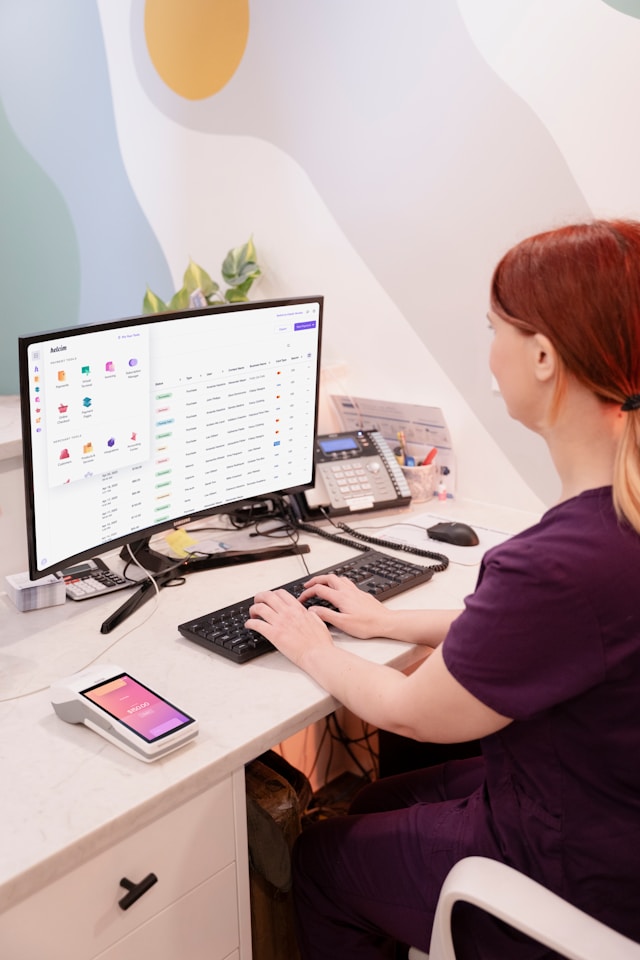
Healthcare software must be designed with privacy and security in mind from day one. Canadian healthcare organizations need to think carefully about data access, storage, permissions, infrastructure, and auditability. In Ontario, healthcare information practices are shaped by PHIPA, while broader private-sector data handling considerations in Canada also intersect with PIPEDA depending on the organization and use case. (247 Labs)
Our development approach emphasizes security-conscious architecture and implementation practices such as:
- role-based access control
- least-privilege permission design
- encrypted data transport
- secure authentication flows
- audit trails for critical actions
- environment separation and secure deployment processes
- structured backend validation
- careful API design and access management
- scalable cloud architecture with maintainability in mind
We also design around operational security. That means thinking through how admins manage users, how sensitive workflows are reviewed, how logs are captured, how records are updated, and how access is segmented across teams or locations.
A secure healthcare platform should not only protect data. It should help organizations operate more safely and more confidently.
Integrations and Interoperability
Healthcare systems rarely exist in isolation. Most organizations already use other tools for communication, forms, records, reporting, scheduling, finance, or operations. That is why integration planning is a central part of healthcare software development.
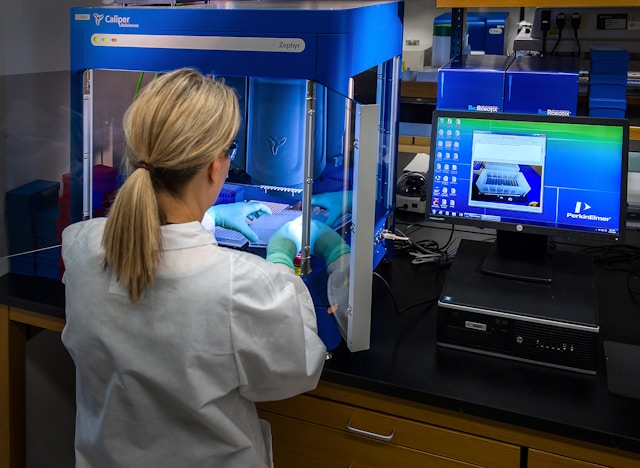
We build systems that can connect with third-party services, internal databases, external APIs, and legacy workflows where appropriate. In some cases, the right strategy is a direct integration. In other cases, it may be better to centralize data into a structured internal dashboard or phased operational platform.
Integration work often determines whether a healthcare platform becomes useful or frustrating. If data remains scattered or staff still need to manually re-enter information across multiple systems, the software never reaches its full value.
That is why we think carefully about:
- source systems and data ownership
- sync requirements and frequency
- user access boundaries
- reporting needs across multiple datasets
- future integration roadmap
- API limitations and architectural constraints
The goal is not integration for its own sake. The goal is a cleaner operational model.

Approach
What Makes Our Approach Different
There are many companies that can build screens. Far fewer can design a healthcare platform that aligns with real organizational workflows, supports long-term growth, and creates operational clarity.
Our approach is different because we do not start with code. We start with structure.
We begin by understanding:
- who the users are
- what jobs they are trying to complete
- where the friction exists today
- what systems and data already exist
- what leadership needs to measure
- what future roadmap needs to be supported
From there, we shape the product around usability, architecture, data flow, and long-term maintainability. We also bring a broader platform perspective. Much of our work is centered around centralized systems, dashboards, and connected digital ecosystems rather than one-off brochure-style builds. That matters in healthcare because organizations often do not just need an app. They need a foundation they can build on.
Our team is particularly well suited for clients looking for:
- custom operational platforms
- centralized dashboards
- data-driven applications
- AI-ready product architecture
- structured multi-user systems
- scalable web and mobile platforms
- long-term technical partnership
Infrastructure
Technology Stack
The real focus is not just modern tools. It is choosing an architecture that supports scale, reporting, integrations, maintainability, and future product growth.
React
For modern web applications
Node.js
For scalable backend systems
PostgreSQL
Or MongoDB depending on data requirements
AWS
Or Azure for cloud infrastructure
Mobile technologies
For iOS and Android apps
Analytics
And dashboard tooling
Why Us
Why Choose Canadian Software Agency for Healthcare Software Development in Canada
Choosing the right healthcare software development company is not just about coding ability. It is about whether your partner can understand complexity, design around operational reality, and build systems that people will actually use.
Clients choose us because we combine product thinking, engineering capability, and business understanding. We are not focused on producing generic software. We are focused on helping organizations build systems that solve real problems.
Why teams work with us:
- we build custom systems around your workflows
- we understand dashboard and platform-style products
- we can support both web and mobile experiences
- we think carefully about integrations and architecture
- we bring AI capability without forcing it where it does not belong
- we build with scalability in mind
- we design for usability, not just functionality
- we work with a long-term product mindset
For healthcare organizations in Toronto and across Canada, that means having a development partner capable of building software that is useful today and still viable as your organization grows.
Toronto HQ
Uniquely Canadian.
Real Results for Real Businesses
Explore how we solved complex technical challenges for industry leaders.
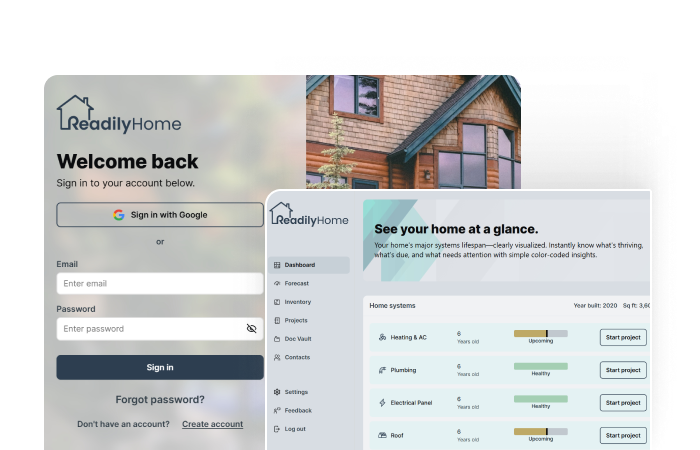
ReadilyHome
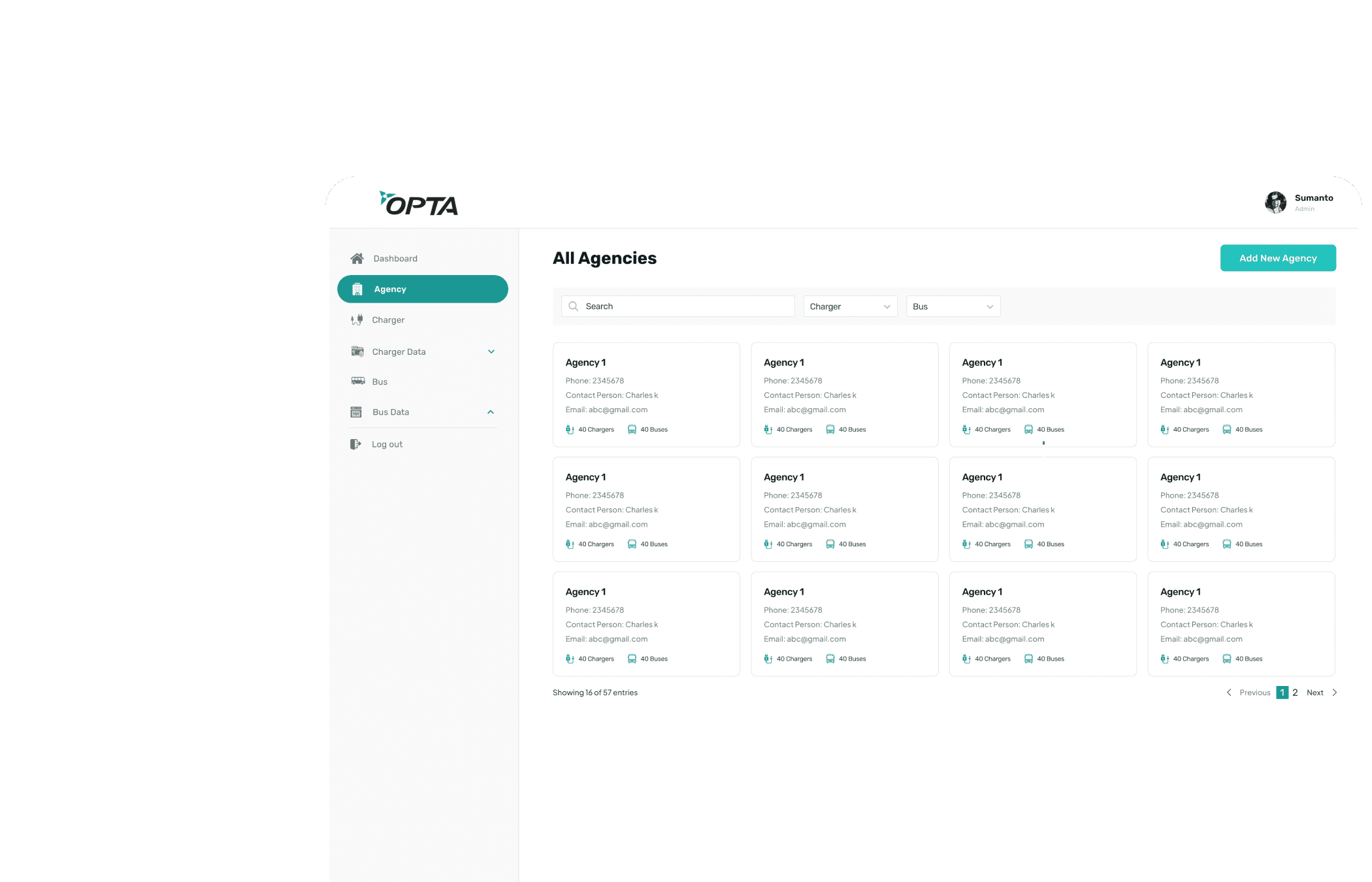
OPTA Dash

Cloud 9
Related Development Services
Businesses looking for Software development services often also require additional digital solutions to scale their platforms. Canadian Software Agency also provides:
Web Development Services in Toronto
Custom web platforms and scalable applications.
Mobile App Development Services
Native and cross-platform mobile apps for startups and enterprises
Game Development Services
Interactive gaming solutions for mobile and web platforms.
Ecommerce Development Services
Custom ecommerce platforms and WooCommerce solutions.
Questions
Everything You Need to Know
Frequently Asked Questions About Healthcare Software Development
What types of healthcare software can you build?
We build patient portals, healthcare web applications, telehealth platforms, internal workflow systems, healthcare dashboards, mobile apps, analytics tools, admin platforms, and custom multi-user operational software for healthcare organizations.
Do you develop software for clinics, hospitals, and healthcare startups?
Yes. We can support clinics, hospitals, digital health startups, wellness providers, public sector healthcare initiatives, and other healthcare-related organizations that need custom software.
Can you integrate healthcare software with existing systems?
Yes. We can design platforms that connect with third-party tools, internal databases, external APIs, and existing workflows where appropriate. Integration planning is a core part of healthcare platform development.
Can you build a patient portal?
Yes. We can create secure patient portals that support onboarding, intake forms, appointment-related workflows, communication, dashboards, and other patient-facing functionality.
Do you build telehealth applications?
Yes. We build telehealth and virtual care platforms for organizations that need remote consultation, scheduling, administrative controls, and patient-friendly digital experiences.
Can you modernize our existing healthcare platform?
Yes. If your current system is outdated, difficult to maintain, or poorly aligned with your workflows, we can help redesign, rebuild, or enhance it in phases.
How long does healthcare software development take?
The timeline depends on scope, integrations, number of user roles, and complexity. Some focused MVPs can move relatively quickly, while larger multi-module platforms require phased planning and development.
How much does custom healthcare software development cost?
The cost depends on product complexity, integrations, security needs, user roles, reporting requirements, and whether you are building a new platform or modernizing an existing one. Most serious healthcare software projects are best scoped through a discovery process.
Can you add AI to a healthcare platform?
Yes, where it makes practical sense. We can help evaluate and implement AI-powered features such as intelligent search, summarization, internal support assistants, workflow automation, and analytics enhancements.
Why work with a Canadian healthcare software development company?
A Canadian partner can offer stronger alignment on communication, market context, project visibility, and healthcare-related operational expectations within Canada. For many organizations, that leads to smoother collaboration and a more strategic delivery process.
Why our clients love us?
Read More Reviews




“They were proactive in addressing our needs and promptly responded to any concerns or inquiries we had. With Canadian Software Agency’s help, we increased online visibility, web traffic, and qualified leads.”
Debra Cafaro,
Chairman & CEO, Vintas

“They met expectations, and we’ve seen an increase in downloads and monthly users. Our business doubled from this new product line. Canadian Software Agency was ahead of schedule with deliverables — turnaround time was about 48 hours. They were passionate and efficient about their work and transformed the client’s vision into a viable product. ”
“They met expectations, and we’ve seen an increase in downloads and monthly users. Our business doubled from this new product line. Canadian Software Agency was ahead of schedule with deliverables — turnaround time was about 48 hours. ”
VP of Marketing, OSI Affiliate

“Canadian Software Agency was an excellent partner in bringing our vision to life! They managed to strike the right balance between aesthetics and functionality, ensuring that the end product was not only visually appealing but also practical and usable.”
Director – Nutrition for Lifestyle

Luke Schubert,
Head of Product, Open Forest Protocol

Director of Business Dev, LEFTY PRODUCTION CO.
“They met expectations, and we’ve seen an increase in downloads and monthly users. Our business doubled from this new product line. Canadian Software Agency was ahead of schedule with deliverables — turnaround time was about 48 hours. ”
Tariehk,
VP of Marketing, OSI Affiliate
“They were proactive in addressing our needs and promptly responded to any concerns or inquiries we had. With Canadian Software Agency’s help, we increased online visibility, web traffic, and qualified leads.”
Debra Cafaro,
Chairman & CEO, Vintas
Luke Schubert,
Head of Product, Open Forest Protocol
Director of Business Dev, LEFTY PRODUCTION CO.
“Canadian Software Agency was an excellent partner in bringing our vision to life! They managed to strike the right balance between aesthetics and functionality, ensuring that the end product was not only visually appealing but also practical and usable.”
Director – Nutrition for Lifestyle
Final Call
Let’s Build a Better Healthcare Platform
Whether you are creating a new healthcare product, improving a patient experience, centralizing operational workflows, or modernizing an existing system, we can help you design and build software that is secure, scalable, and aligned with your goals.
Development Across Canada
Canadian Software Agency provides development services across major Canadian cities including Toronto, Vancouver, Ottawa, Montreal, Calgary, and Edmonton.
