

- Canada-based app development team
Logistics App Development Company in Canada
We help businesses build apps such as fleet management apps, delivery apps, driver apps, dispatch apps, route optimization apps, field service transportation apps, and customer shipment tracking apps. We also build companion admin dashboards and backend systems that give your team the visibility and control needed to manage the mobile side of the operation properly.
Jump Start Your Business
Trusted by Canada's Leading Institutions













Build Logistics Apps That Improve Real-Time Visibility, Delivery Performance, and Operational Control
Modern logistics runs on movement, coordination, and timing. When vehicles, drivers, dispatchers, warehouses, and customers are all part of the same operation, even small communication gaps can create delays, missed deliveries, extra cost, and poor customer experience. That is why mobile apps are no longer optional in transportation and logistics. They are one of the most important tools for keeping operations connected in real time.
At Canadian Software Agency, we design and develop custom logistics mobile applications for iOS and Android that help transportation companies, delivery businesses, distributors, warehousing operations, and logistics startups work more efficiently. We build apps for the people who actually keep the operation moving: drivers, dispatchers, managers, warehouse staff, field teams, and customers.
A strong logistics app is not just a tracking screen on a phone. It is a practical operational tool. It helps a dispatcher assign work faster. It helps a driver receive accurate route instructions. It helps a customer track shipments without calling support. It helps managers monitor exceptions, delays, fleet activity, and overall delivery performance from one connected system. When built properly, a logistics mobile app reduces friction across the entire operation.

Why Logistics Apps Matter More Than Ever
The logistics industry has changed dramatically. Customers want faster delivery, better communication, and more accurate ETAs. Enterprise clients expect visibility and accountability. Internal teams need quicker coordination and fewer manual handoffs. Drivers need simple mobile tools that work in real-world conditions, not bloated systems that slow them down.
Many operations still depend on a fragmented mix of calls, spreadsheets, paper workflows, older software, and disconnected tools. That creates problems everywhere:
- dispatch updates are delayed
- route changes are not reflected quickly
- proof of delivery is hard to organize
- customers have limited visibility
- managers do not get clean performance data
- drivers lose time switching between tools
A logistics app helps solve these problems by putting the right information in the hands of the right user at the right time.
For example, a delivery driver app can show assigned stops, optimized routes, proof-of-delivery capture, issue reporting, and status updates in one workflow. A dispatcher app can enable route assignments, vehicle visibility, order tracking, and exception handling. A customer-facing logistics app can provide shipment tracking, ETA updates, notifications, and support communication. A warehouse-facing app can help teams coordinate handoff, staging, scanning, and fulfillment processes with greater speed and accuracy.
The result is not just a nicer interface. The result is a better operation.
That is why logistics app development has become a strategic priority for transportation companies and supply chain-focused businesses. Mobile apps directly affect service quality, operational speed, cost control, and customer retention.

Challenges
Common Logistics Apps Help Solve
Limited real-time visibility
Without mobile-first logistics tools, teams often do not know where shipments stand, what drivers are doing, whether delays are occurring, or where operational bottlenecks are building. Managers end up reacting late instead of managing proactively.
Manual dispatch and coordination
Many teams still rely too heavily on calls, texts, emails, and spreadsheets for dispatching and updates. This is slow, hard to track, and prone to error. A logistics app centralizes operational coordination.
Weak driver communication
When drivers do not have a clear mobile workflow, important information gets missed. Delivery instructions, status updates, customer signatures, route changes, and issue reporting all become harder than they need to be.
Poor customer experience
Customers increasingly expect mobile visibility, accurate ETAs, status notifications, and clear delivery communication. If they cannot get answers quickly, support volume rises and satisfaction drops.
Lack of proof and documentation
Photos, signatures, scanned items, timestamps, and notes are often critical in logistics. A strong app can capture all of that in the field and sync it to the backend.
Route inefficiency
A route that looks acceptable on paper may be inefficient in real execution. Logistics apps can support better route logic, task sequencing, and real-time adjustments.
Difficulty scaling operations
As more drivers, vehicles, routes, warehouses, and clients are added, weak systems start to break down. A custom logistics app creates a stronger operational foundation for growth.
Expertise
Our Logistics App Development Services
Fleet management app development
We build fleet-focused mobile apps that help transportation businesses manage vehicles, drivers, field activity, and operational status more effectively. Depending on the project, these apps can support live vehicle visibility, task assignment, inspection workflows, issue reporting, maintenance prompts, route visibility, and performance monitoring.
A fleet app is especially valuable for operations where dispatch speed, field communication, and visibility across vehicles are critical. Instead of relying on fragmented updates, managers and operations teams can use connected tools to understand what is happening across the fleet in real time.
Delivery app development
Delivery apps are one of the most common and highest-value logistics mobile products. We develop delivery apps for drivers, customers, dispatchers, and businesses that need more control over pickup, route execution, drop-off verification, and communication. These apps can include:
- order assignment
- route guidance
- live status updates
- push notifications
- proof of delivery
- photo capture
- customer notes
- delivery confirmations
- support escalation workflows
For last-mile delivery operations, the mobile experience is often the operation. That is why usability, speed, and reliability matter so much.
Driver app development
A driver app should be simple, practical, and built for real road conditions. We create driver apps that help field teams receive work, update progress, navigate routes, log issues, capture delivery proof, and communicate with the back office without unnecessary friction.
A strong driver app reduces confusion and missed steps. It also gives the organization cleaner data and stronger accountability.
Dispatch and operations apps
Dispatchers and logistics coordinators need mobile and tablet-friendly tools too, especially in fast-moving environments. We build dispatch apps and operational mobile tools that support route assignment, live monitoring, team communication, issue handling, and service coordination.
These apps can act as part of a larger transportation management environment or as lighter-weight operational tools for specific teams.
Route optimization app development
Routing affects cost, efficiency, and service quality. We build route-focused logistics apps that help businesses structure stop sequencing, improve delivery efficiency, and support better coordination between planned routes and real-world execution.
In some cases, route optimization is the core product. In other cases, it is part of a broader fleet or delivery app. Either way, the mobile experience needs to make route logic understandable and actionable for users in the field.
Shipment tracking apps
Shipment visibility is now an expectation, not a premium feature. We build customer-facing tracking apps and shipment visibility tools that let users monitor progress, receive alerts, review shipment information, and stay informed without needing to contact support repeatedly.
A tracking app improves transparency and reduces support burden, especially for businesses serving B2B clients who need better access to delivery information.
Warehouse and logistics field apps
Not all logistics apps are driver apps. Many operations need mobile tools for warehouse and yard teams as well. We build apps that support scanning, task handling, staging, pickup coordination, handoff tracking, issue reporting, and internal workflow visibility in logistics facilities.
Logistics startup app development
If you are launching a logistics startup, speed matters, but so does architecture. We help founders build MVPs and growth-ready apps for delivery services, transportation marketplaces, shipment tracking platforms, route coordination systems, and operational logistics tools. We focus on building something lean enough to launch but structured enough to scale.
- App Types
Types of Logistics Apps We Build
We can build a wide range of transportation and logistics mobile applications, including:
- fleet management apps
- delivery tracking apps
- courier apps
- transportation management companion apps
- route optimization apps
- inventory and scanning apps
- freight coordination apps
- logistics analytics mobile apps
- driver apps
- last-mile delivery apps
- trucking apps
- dispatch apps
- warehouse operation apps
- customer shipment tracking apps
- multi-user logistics marketplace apps
- field mobility apps for transportation teams
Some clients need one focused mobile app. Others need a complete connected system with a driver app, customer app, admin dashboard, and backend workflow engine. We support both.
Features
Core Features We Can Build Into a Logistics App
A custom logistics app can include many different capabilities depending on the users and workflows involved, but common features include:
Driver and field features
- route assignments
- live task lists
- navigation support
- stop-by-stop workflow guidance
- barcode or QR scanning
- proof of delivery
- customer signatures
- photo capture
- issue reporting
- status updates
- in-app messaging
- shift check-in and check-out
- inspection forms
Dispatcher and operations features
- job assignment
- route visibility
- driver status monitoring
- map views
- delay and exception alerts
- rescheduling logic
- escalation handling
- internal notes
- performance visibility
Customer-facing features
- shipment tracking
- ETA visibility
- delivery notifications
- proof of delivery access
- account history
- support contact workflows
- order or delivery status timeline
Admin and management features
- user and role management
- analytics dashboards
- route and delivery reporting
- operational KPIs
- customer and region segmentation
- audit trails
- document history
- exception reporting
- integration controls
Advanced features
- live GPS integration
- push notifications
- geofencing logic
- offline mode for field usage
- AI-assisted route or exception insights
- wearable or telematics integrations
- multilingual interfaces
- mobile document workflows
The right feature set depends on what the app is actually supposed to improve. We focus on designing features around operational outcomes, not feature lists for their own sake.
Working
How a Logistics App Actually Works
A logistics mobile app usually sits inside a broader digital system. Even when the app is the most visible part of the product, there is usually more going on underneath.
- Mobile application layer
This is the iOS or Android app used by drivers, customers, dispatchers, or other stakeholders. It handles the user experience, task flow, status updates, and mobile interactions.
- Backend system
The backend manages users, permissions, assignments, order data, route information, delivery statuses, alerts, documents, and business logic. It is what keeps the app consistent and reliable.
- Admin dashboard
Most serious logistics apps need an admin or operations dashboard where internal teams can monitor activity, manage users, review data, handle issues, and generate reports.
- Integration layer
Many logistics apps connect with other systems such as CRMs, ERPs, warehouse software, telematics providers, GPS tools, shipping carriers, finance tools, and internal databases.
This matters because many companies ask for “an app” when what they really need is a connected logistics platform with a mobile component. We can help scope that correctly from the beginning.
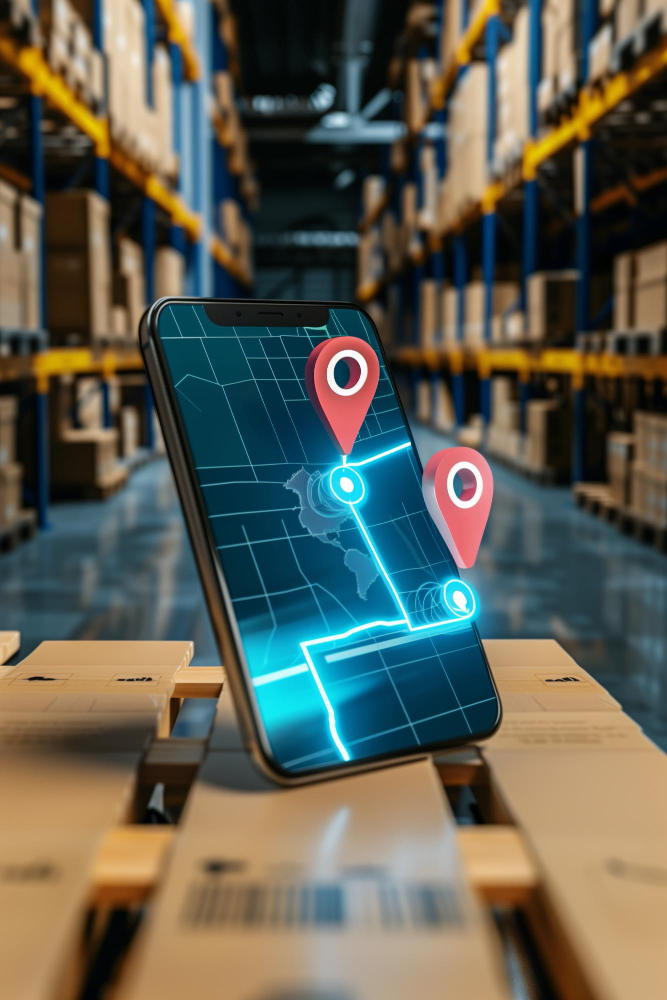
AI in Logistics Apps
AI can be very useful in logistics, but only when applied to real operational problems. We help logistics businesses implement practical AI features instead of hype-driven features that add complexity without value.
Potential AI use cases include:
- route and dispatch assistance
- exception prioritization
- anomaly detection
- delivery pattern analysis
- operational summaries for managers
- intelligent search across shipment records
- customer support assistants
- predictive delay insights
- performance trend analysis
For example, an AI layer might help flag repeated delay patterns by route, identify underperforming delivery windows, summarize operational issues for managers, or help support teams answer shipment-related questions faster.
AI should make logistics teams faster and more informed. It should not get in their way.
Security
Security, Reliability, and Field Usability
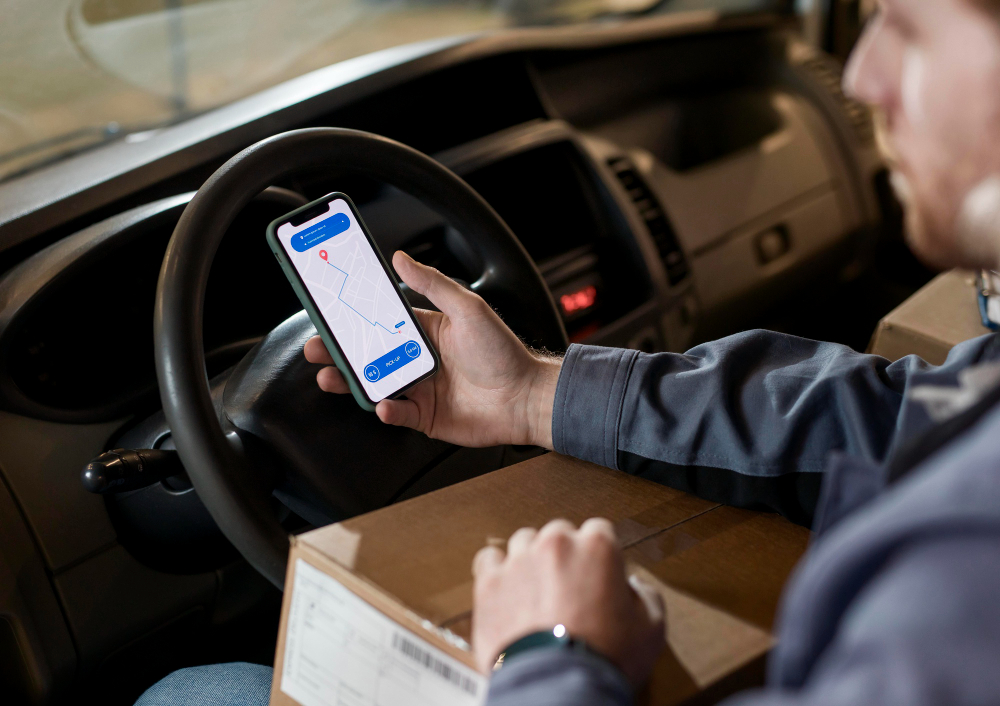
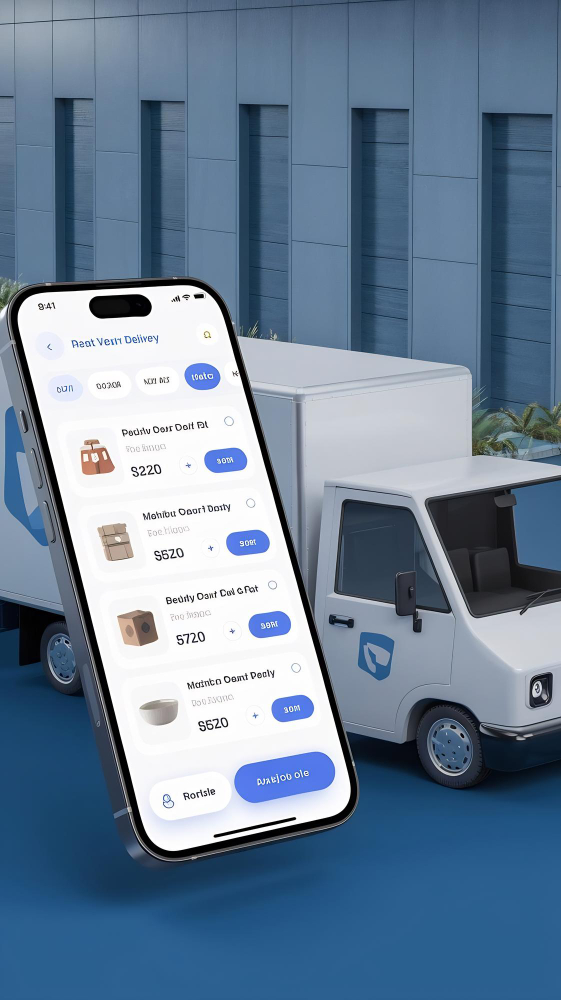
Logistics apps often operate in fast-moving environments where mistakes are expensive and downtime is painful. If a driver cannot access route information, if a customer cannot see shipment status, or if dispatchers are working from stale data, the operation suffers immediately.
That is why we place strong emphasis on:
- secure authentication
- role-based access control
- stable backend systems
- structured API design
- reliable synchronization
- offline-friendly field workflows where needed
- scalable cloud infrastructure
- maintainable code
- performance under operational load
We also think carefully about usability in field conditions. A driver using an app on the road, at a loading point, or during a delivery does not need clutter. They need clarity. Logistics app UX should reduce steps, reduce confusion, and support fast action.
Integrations for Logistics and Transportation
Most logistics apps need integrations. That is often one of the biggest factors in project complexity and value.
We can build apps that integrate with:
- GPS and mapping providers
- telematics systems
- fleet platforms
- warehouse software
- ERP systems
- CRM systems
- payment systems
- customer support tools
- barcode and scanning tools
- internal APIs
- analytics platforms
A successful logistics app is rarely standalone. It usually becomes part of a wider operational ecosystem. That is why integration planning is a core part of how we design these products.

Cost of Logistics App Development in Canada
Education app costs vary based on complexity, roles, content logic, integrations, and product goals.
| Project Type | Estimated Cost (CAD) |
|---|---|
| Focused MVP | $25,000 to $50,000 |
| Mid-range Product | $50,000 to $120,000 |
| Advanced Multi-user Platform | $120,000 to $250,000+ |
A startup delivery MVP will look very different from an enterprise logistics platform tied to warehouse and fleet systems. That is why discovery and scoping are important.
The Workflow
Our Logistics App Development Process
We follow a structured development process to ensure every project is delivered successfully.
Phase 1
Discovery and workflow mapping
We start by understanding your operation, users, bottlenecks, systems, and goals. This is critical because logistics apps only succeed when they align with real workflows.
Phase 2
Product definition
We define the user roles, major workflows, features, roadmap phases, and technical direction. This helps keep the product focused and commercially sensible.
Phase 3
UX and interface design
We design the mobile experience for the actual users involved, whether that is drivers, dispatchers, admins, or customers. We optimize for clarity and speed.
Phase 4
Development
We build the mobile app, backend, admin dashboard, and required integrations. Depending on the project, we may develop for iOS, Android, or both.
Phase 5
QA and testing
We test functionality, reliability, permissions, syncing behavior, edge cases, and performance carefully.
Phase 6
Launch and improvement
After launch, we continue refining the product based on usage patterns, operational feedback, and future roadmap priorities.
Infrastructure
Technology Stack
We choose the right stack based on the game, but common technologies may include:
Swift
For iOS apps
Kotlin
For Android apps
React Native
React Native for cross-platform apps
Node.js
For backend systems
PostgreSQL
Or MongoDB depending on the data model
AWS or Azure
Or MongoDB depending on the data model
Video and Media
And attribution tooling
Analytics tools
And attribution tooling
AI Integration
Where useful
Why Us
Why Choose Canadian Software Agency for Logistics App Development
Businesses choose us because we do more than build screens. We build operational products.
We are a strong fit for logistics and transportation app projects because:
- we understand dashboard-heavy and workflow-heavy systems
- we build around real operational use cases
- we can support both mobile apps and admin platforms
- we think carefully about integrations
- we design for usability in field conditions
- we can incorporate AI where it adds real value
- we build scalable products with long-term growth in mind
For logistics businesses in Toronto and across Canada, that means working with a team that can help create a stronger mobile and digital backbone for your operation.

Toronto HQ
Uniquely Canadian.
Real Results for Real Businesses
Explore how we solved complex technical challenges for industry leaders.
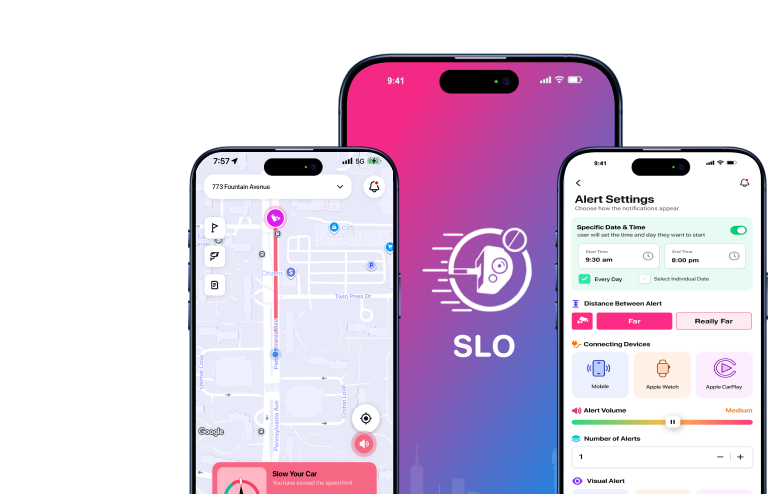
SLO
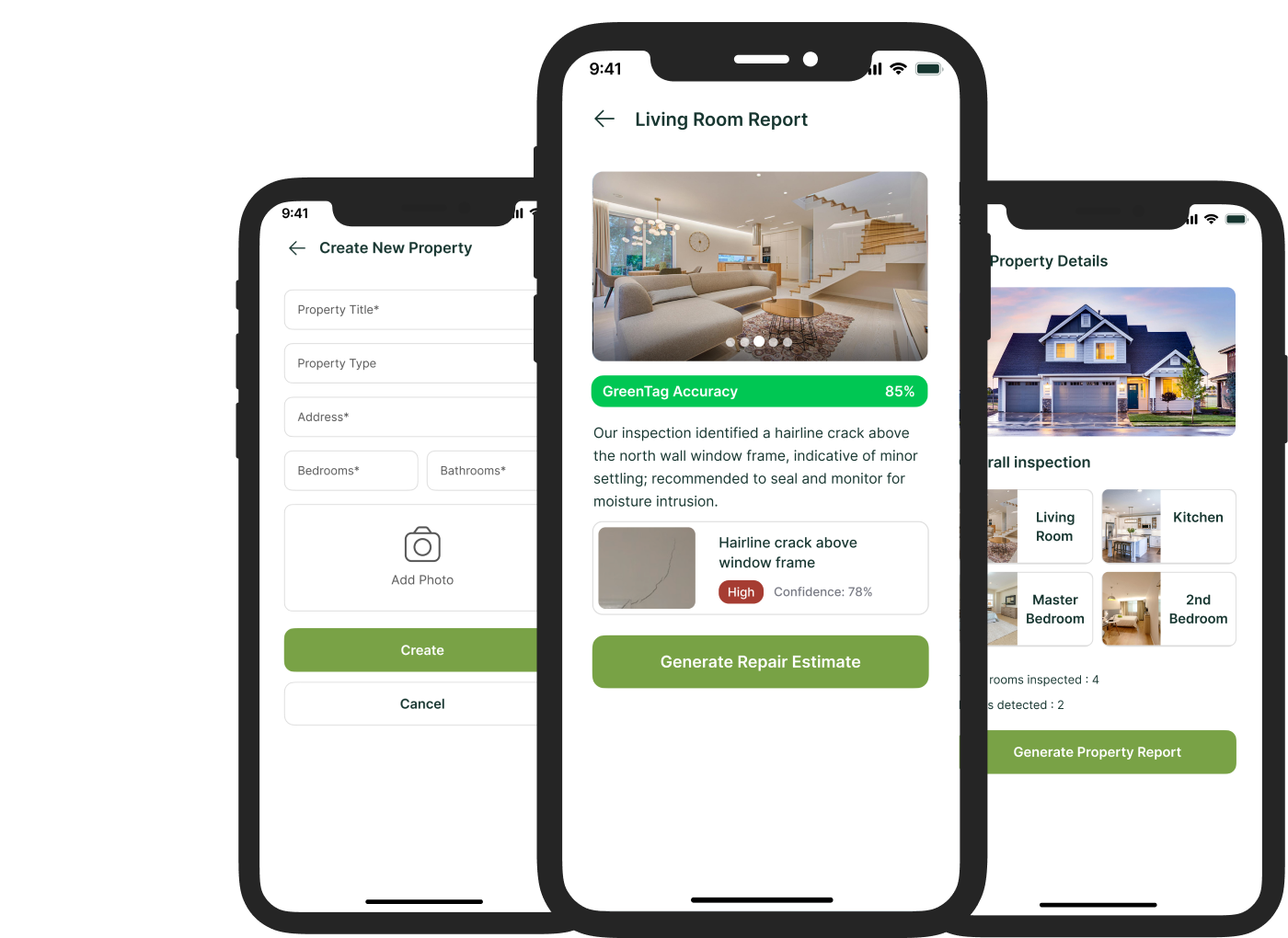
GreenTag
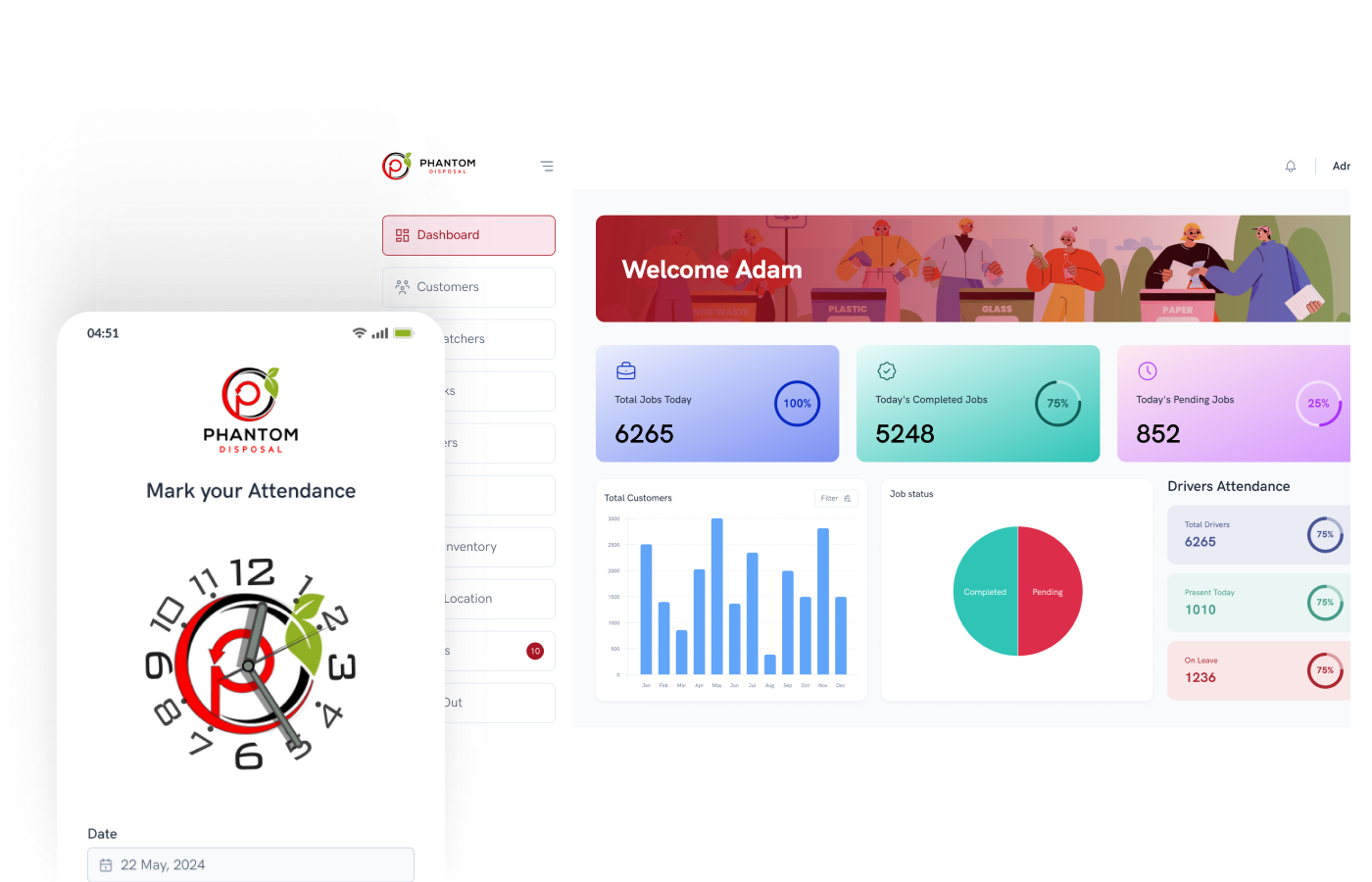
Phantom Disposal
Related Development Services
Businesses looking for Logistics App Development services often also require additional digital solutions to scale their platforms. Canadian Software Agency also provides:
Web Development Services in Toronto
Custom web platforms and scalable applications.
Mobile App Development Services
Native and cross-platform mobile apps for startups and enterprises
Game Development Services
Interactive gaming solutions for mobile and web platforms.
Ecommerce Development Services
Custom ecommerce platforms and WooCommerce solutions.
Questions
Everything You Need to Know
Frequently Asked Questions About Logistics App Development
What types of logistics apps can you build?
We build fleet management apps, driver apps, delivery apps, shipment tracking apps, dispatch apps, route optimization apps, warehouse mobility apps, freight coordination apps, and custom transportation mobile platforms.
Do you build logistics apps for both iOS and Android?
Yes. We can build native iOS and Android apps or use a cross-platform approach such as React Native depending on your product goals, budget, and roadmap.
Can you build a driver app for our delivery or transport business?
Yes. We develop driver apps that support task assignment, route visibility, delivery updates, proof of delivery, issue reporting, and communication workflows.
Can you build a customer shipment tracking app?
Yes. We can create customer-facing tracking apps that provide shipment visibility, ETAs, notifications, support access, and delivery history.
Can you add route optimization to a logistics app?
Yes. We can build route-related workflows and optimization features where they are part of the product requirements and operational logic.
Do you build dispatch and admin dashboards too?
Yes. Many logistics apps need a connected admin or dispatch system. We often build the mobile app together with a web dashboard and backend platform.
Can your logistics apps integrate with GPS or telematics systems?
Yes. We can integrate with mapping, location, fleet, telematics, and other third-party systems where appropriate.
How much does logistics app development cost in Canada?
Costs vary depending on complexity. Focused MVPs may start around CAD $25,000 to $50,000, while more advanced multi-user logistics platforms can range much higher.
How long does it take to build a logistics app?
A focused MVP may take a few months, while a larger multi-role logistics product with dashboards and integrations can take longer. The exact timeline depends on scope.
Can you build an app for a logistics startup?
Yes. We help startups build MVPs and growth-ready apps for delivery, transportation coordination, shipment visibility, route management, and related logistics use cases.
Can you modernize our existing logistics app?
Yes. If your current mobile product is outdated, hard to maintain, or not aligned with your current workflows, we can redesign, rebuild, or enhance it.
Do you provide post-launch support?
Yes. We can support ongoing maintenance, improvements, and future roadmap enhancements after launch.
Why our clients love us?
Read More Reviews




“They were proactive in addressing our needs and promptly responded to any concerns or inquiries we had. With Canadian Software Agency’s help, we increased online visibility, web traffic, and qualified leads.”
Debra Cafaro,
Chairman & CEO, Vintas

“They met expectations, and we’ve seen an increase in downloads and monthly users. Our business doubled from this new product line. Canadian Software Agency was ahead of schedule with deliverables — turnaround time was about 48 hours. They were passionate and efficient about their work and transformed the client’s vision into a viable product. ”
“They met expectations, and we’ve seen an increase in downloads and monthly users. Our business doubled from this new product line. Canadian Software Agency was ahead of schedule with deliverables — turnaround time was about 48 hours. ”
VP of Marketing, OSI Affiliate

“Canadian Software Agency was an excellent partner in bringing our vision to life! They managed to strike the right balance between aesthetics and functionality, ensuring that the end product was not only visually appealing but also practical and usable.”
Director – Nutrition for Lifestyle

Luke Schubert,
Head of Product, Open Forest Protocol

Director of Business Dev, LEFTY PRODUCTION CO.
“They met expectations, and we’ve seen an increase in downloads and monthly users. Our business doubled from this new product line. Canadian Software Agency was ahead of schedule with deliverables — turnaround time was about 48 hours. ”
Tariehk,
VP of Marketing, OSI Affiliate
“They were proactive in addressing our needs and promptly responded to any concerns or inquiries we had. With Canadian Software Agency’s help, we increased online visibility, web traffic, and qualified leads.”
Debra Cafaro,
Chairman & CEO, Vintas
Luke Schubert,
Head of Product, Open Forest Protocol
Director of Business Dev, LEFTY PRODUCTION CO.
“Canadian Software Agency was an excellent partner in bringing our vision to life! They managed to strike the right balance between aesthetics and functionality, ensuring that the end product was not only visually appealing but also practical and usable.”
Director – Nutrition for Lifestyle
Final Call
Let’s Build a Better Logistics App
Whether you are creating a driver app, a delivery platform, a shipment tracking product, or a complete transportation mobile solution, we can help you build a logistics app that is practical, scalable, and aligned with your operation.
Development Across Canada
Canadian Software Agency provides development services across major Canadian cities including Toronto, Vancouver, Ottawa, Montreal, Calgary, and Edmonton.
