An AI-Powered Property Inspection Platform for Home Buyers
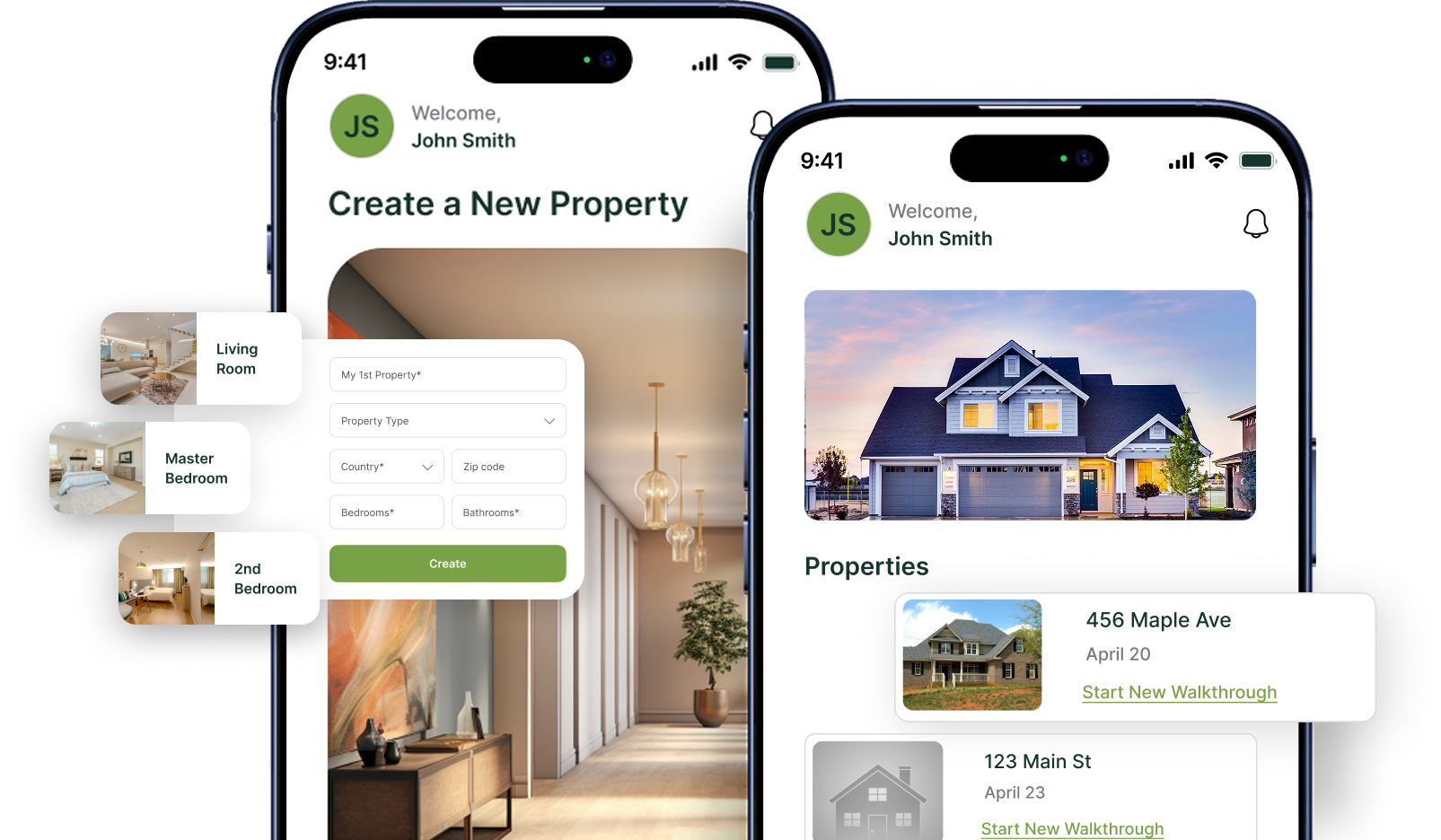
GreenTag is an AI-driven property inspection platform that enables home buyers to scan rooms, detect structural and cosmetic defects using computer vision and large language models, generate localized repair cost estimates, and interact with an AI assistant for deeper insights.
Industry
Real Estate / PropTech / AI
Platform
iOS . Android
Launch
Nov 2025
Industry
Real Estate / PropTech / AI
Platform
iOS, Android
Launch
Nov 2025
About the GreenTag
This engagement followed a recovery trajectory. The Canadian software agency initially delivered the complete UI/UX design. The client then engaged another development team to build the system. After receiving a product that did not meet expectations, the client returned to us.
We began with a structured QA audit of the inherited codebase, documented defects and design deviations, and executed a remediation strategy. From that point forward, we took full ownership of development, stabilizing the platform, integrating the AI pipeline, implementing subscriptions and offline capabilities, and delivering the product through launch and post-production support.
Timeline
May 2025 – Ongoing
Total Development Effort
395+ hours across all disciplines
Team Size
4+ specialists
Key Deliverables
iOS/Android Mobile App
AI Chat Assistant
Cloud Backend
The Challenge
The Product Challenge
Buying property is one of the most financially significant decisions consumers make. Traditional inspection processes are:
Expensive and time-bound
Static and PDF-based
Non-interactive
Lacking cost transparency
Difficult to compare across multiple properties
Buyers needed:
Instant defect detection
Localized repair cost visibility
Negotiation insights
Multi-property comparison capability
Offline usability in low-connectivity properties
The Delivery Challenge
After our design phase, a separate development team built the initial version of the product. The client returned to us due to:
Functional defects
Missing features
Deviations from approved UI/UX
Incomplete AI integration
Architectural inconsistencies
Rather than starting from scratch, we inherited an unstable codebase and had to determine what could be salvaged, corrected, and extended without disrupting timelines further.
The Solution
Structured Recovery Approach
Instead of immediately resuming development, we began with a formal QA audit of the inherited system. This gave the client a documented baseline and enabled us to define a targeted remediation roadmap.
Phase 1: Audit & Gap Identification
Functional testing against original design specifications
Codebase architecture assessment
Documentation of missing features
Cross-platform validation
Phase 2: Stabilization & Alignment
UI corrections to match the original design
Backend API fixes
Architectural cleanup
Missing feature implementation
Phase 3: Full Feature Completion
AI detection pipeline integration
Subscription management
Offline capture mode
Multi-currency support
AI issue grouping enhancement
The system was brought to production without requiring a full rebuild, preserving prior work where feasible while correcting critical gaps.
Core Platform Features
GreenTag delivers a full inspection lifecycle — from room capture to AI-powered reporting and advisory assistance.
AI-Powered Defect Detection
Users capture room images via camera or gallery upload. The system processes images using:
GPT Vision classification
Severity scoring (Low / Medium / High)
Confidence scoring
This automates what would traditionally require an on-site inspector.
Localized Cost Estimation
Each detected defect includes:
Min/max repair cost range
Regional labor/material calibration
Country-specific currency support (USD, CAD, GBP, AUD, NZD, and more)
This provides buyers with negotiation leverage and financial clarity.
AI Issue Grouping
When multiple images from the same room are analyzed, GPT consolidates related findings into unified issue entries, eliminating duplication and producing cleaner reports.
Designed for rural or low-connectivity properties.
Local storage via Zustand + AsyncStorage
Background sync on reconnection
Lifecycle status tracking
Automatic retry handling
Multi-Tier Subscription System
Managed via RevenueCat with server-side enforcement.
Plans include:
Glance (Free) – Limited properties
Full View – One-time purchase
Deep Dive – Full defect detection + export
Pro Monthly / Yearly – Unlimited properties
Extra Property Add-On
Webhook validation ensures subscription integrity across the Apple App Store and Google Play.
Push Notifications & Alerts
Firebase Cloud Messaging
Report-ready notifications
In-app alert history
Deep-link routing
Social Authentication
Apple Sign-In
Google OAuth
Email/password with OTP verification
Fully compliant with App Store policies.
The Modern Stack Behind the Software.
A modern, production-ready stack was selected to support real-time interactions, cross-platform mobile delivery, and scalable deployment.
Core Technologies
React Native 0.79
TypeScript
RevenueCat SDK
Firebase Messaging
Expo Camera, Notifications, Print
Node.js (v20+)
Express
MongoDB (Mongoose)
PostgreSQL + pgvector
LangChain
Agenda
JWT Authentication
Supporting Infrastructure & Services
AWS S3 (file storage)
Docker / Docker Compose
Expo EAS (mobile builds)
OpenAI GPT (Vision + Chat)
RevenueCat
Firebase FCM
SendGrid
Project Timeline
The full product, including mobile apps, backend systems, and admin panel, was completed in approximately 8 weeks, followed by store submission and a 30-day free support window.
May – June 2025
UI/UX Design Phase
Complete mobile app design including onboarding, scanning flow, reporting, and chat interface.
August 2025
QA Audit of Inherited System
Functional and architectural audit of the prior team’s implementation. Documentation of defects and deviation mapping.
August – September 2025
Remediation & Core Feature Completion
Backend stabilization
AI pipeline integration
PDF/Excel report generation
Push notification integration
Chat assistant implementation
November 2025 – Ongoing
Support & Maintenance
Complimentary post-launch support
Structured paid support plan
Minor production refinements
November – December 2025
Post-Launch Feature Enhancements
Multi-currency support
AI issue grouping with multi-photo correlation
September 2025
Subscription & Offline Architecture
RevenueCat integration
Server-side plan enforcement
Offline capture system
Background sync architecture
Results
Subscription & Offline Architecture
Through structured execution and technical leadership, the Canadian software agency successfully stabilized, completed, and launched GreenTag into production.
Delivered
Delivered to Production Successfully
GreenTag was stabilized, completed, and launched successfully across mobile platforms after a recovery engagement.
Key Outcomes
GreenTag is live across supported regions.
Platforms launched: iOS App Store & Google Play
0
Week end-to-end delivery from kickoff to live
0
Development hours across all disciplines
0+
Pull requests merged across API & UI repositories
0+
User roles supported: Buyer, Seller, Admin
0
Related Case Studies
Espace Mémoire
Canadian Software Agency partnered with Espace Mémoire to transform an incomplete product vision into a fully functional, emotionally intelligent memory preservation platform available across web and mobile devices.
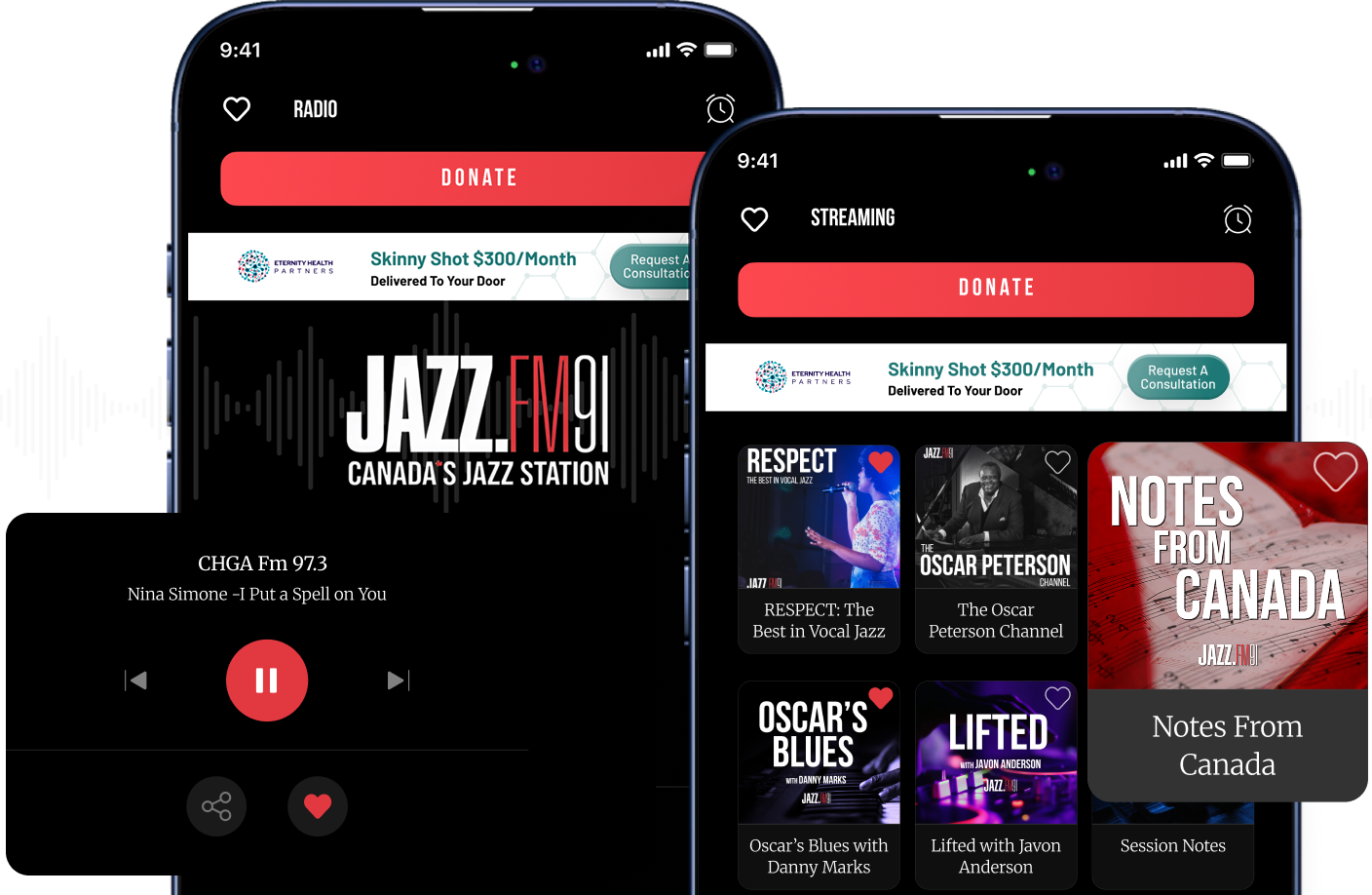
JAZZ.FM91 required a modern, scalable mobile platform to deliver seamless access to live radio streaming, podcast playback, and in-car media experiences.
SLO is an innovative smart mobility and traffic awareness platform designed to empower drivers, help them track vehicle speed, and significantly reduce speeding violations and associated fines.