
Optimizing Ayasa: Enhancing Performance and Stability for Steam Deployment
Canadian Software Agency partnered with an Armenian game studio to optimize and stabilize Ayasa, an existing Unreal Engine game being prepared for Steam distribution. The project focused on improving runtime performance, reducing asset inefficiencies, and standardizing workflows to ensure a smooth and reliable deployment experience.
Industry
Game Development / Unreal Engine / PC Gaming
Platform
Steam – Unreal
Launch
2025
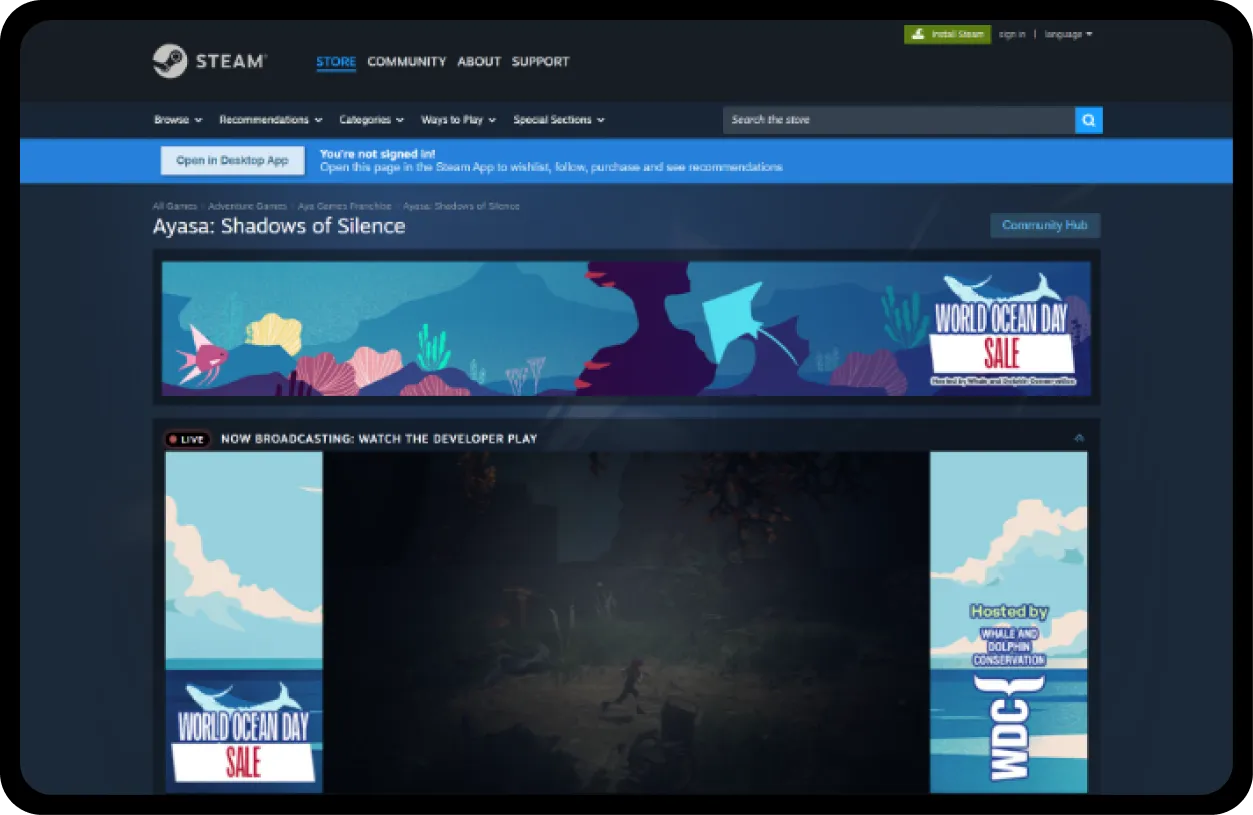
About the Ayasa
The original build was functionally complete but faced performance instability, inconsistent asset handling, and memory optimization issues that could negatively impact gameplay quality and Steam readiness.
Through targeted Unreal Engine optimization, asset restructuring, and production workflow improvements, Canadian Software Agency helped transform the build into a stable, high-performance Steam-ready product while preserving the original gameplay experience and creative direction.
Timeline
November 2025 – December 2025
Total Development Effort
Performance optimization and Unreal Engine
Team Size
3+ specialists
Key Deliverables
Steam Build Optimization
Unreal Engine Performance
Workflow Structuring
The Challenge
The existing Unreal Engine Steam build had reached a stage where gameplay systems were complete, but the project lacked the performance optimization and structural consistency required for a polished public release.
Key challenges included:
- Large and inefficient asset sizes are affecting runtime performance
- Inconsistent asset usage and management workflows
- Lack of standardized planning structures for content organization
- Gameplay instability and frame performance fluctuations
- Memory optimization limitations across systems
- Need for Steam deployment readiness and build stability
The project required extensive optimization work without altering the original gameplay mechanics or visual identity of the game.
The Solution
Canadian Software Agency collaborated closely with the client’s development team to stabilize and optimize the Unreal Engine build while maintaining the integrity of the original game experience.
The engagement focused on identifying performance bottlenecks, restructuring inefficient assets, improving memory handling, and introducing standardized workflows for long-term maintainability.
The solution included:
- Unreal Engine performance optimization across gameplay systems
- Asset size reduction and memory usage refinement
- Standardized asset planning and management structures
- Workflow restructuring for development consistency
- Steam deployment optimization and build stabilization
- Runtime performance enhancements for smoother gameplay execution
Core Platform Features
Ayasa includes a comprehensive set of optimization and stability improvements designed to enhance Unreal Engine performance, streamline asset management, and ensure reliable Steam deployment.
Unreal Engine Performance Optimization
Core gameplay systems were analyzed and optimized within Unreal Engine to improve runtime efficiency and reduce performance bottlenecks. This resulted in smoother gameplay execution and improved frame stability during active sessions.

Asset Optimization & Memory Efficiency
Large and inefficient assets were restructured to improve loading performance and reduce memory consumption. Asset handling was refined without compromising gameplay quality or visual fidelity.

Standardized Asset Management Workflow
A structured asset planning and management workflow was introduced to ensure consistent content organization and improve long-term project maintainability.

Steam Build Stability Enhancement
The game build was specifically optimized for Steam deployment requirements, improving compatibility and ensuring stable gameplay performance across multiple hardware configurations.

Workflow Structuring for Development Consistency
Development workflows were standardized to eliminate inconsistencies in asset handling and improve overall production efficiency across the project lifecycle.

The Modern Stack Behind the Software.
A modern, production-ready stack was selected to support real-time interactions, cross-platform mobile delivery, and scalable deployment.
Core Technologies
Unreal Engine
C++
Unreal Engine Blueprints
Supporting Infrastructure & Services
Asset Optimization Tools
Performance Profiling Systems
Steam Build Management
Workflow Standardization Frameworks
Runtime Performance Analysis Tools
See Ayasa in Action
Ayasa is an Unreal Engine PC game optimized for stable Steam deployment and enhanced gameplay performance through the Canadian Software Agency’s performance engineering and workflow optimization support.
Project Timeline
The project required extensive optimization work without altering the original gameplay mechanics or visual identity of the game.
- Nov 10, 2025 – Nov 14, 2025

Project Audit & Performance Assessment
Canadian Software Agency initiated the project by conducting a full Unreal Engine build audit to identify performance bottlenecks, inefficient assets, and structural inconsistencies impacting gameplay stability.
- Nov 17, 2025 – Nov 26, 2025
Asset Optimization & Restructuring
The team optimized large asset files, improved memory usage, and restructured asset organization to enhance runtime efficiency and loading performance.
- Nov 26, 2025 – Nov 28, 2025
Unreal Engine Performance Tuning
Core gameplay systems were optimized to reduce runtime spikes, improve frame consistency, and enhance overall gameplay responsiveness.
- Dec 1, 2025 – Dec 5, 2025
Workflow Standardization Implementation
Structured workflows and standardized planning systems were introduced to improve development consistency and long-term maintainability.
- Dec 8, 2025 – Dec 12, 2025
Steam Build Stabilization & Final Optimization
Final optimization passes were completed to ensure Steam deployment readiness, stable gameplay execution, and compatibility across supported PC hardware configurations.
- Results
Successfully Optimized for Steam Deployment
Ayasa was successfully stabilized and optimized for Steam release, resulting in a more reliable Unreal Engine build with improved runtime efficiency, better asset management, and enhanced gameplay stability.
Key Outcomes
The engagement helped transform the existing build into a production-ready Steam experience while establishing scalable workflows for future development.
improvement in Steam build performance and runtime stability
0
%
Month comprehensive engagement from kickoff to live production
0
Core feature modules built, integrated, and tested
0
+
optimization in asset structure and memory efficiency
0
%
more reliable gameplay performance across tested systems
0
%
Related Case Studies
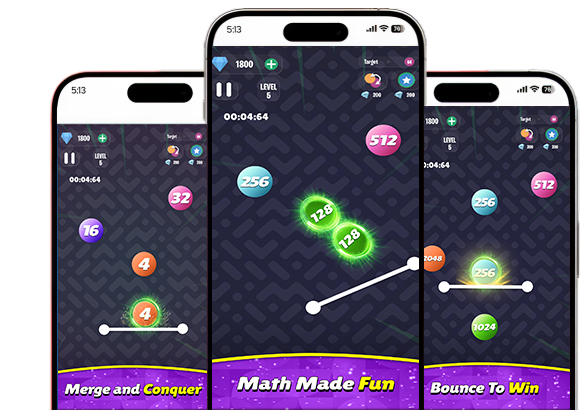
2488 – Number Merging Game Enhancement
This game is designed to deliver smooth, engaging gameplay through intuitive mechanics and a clean visual interface. The project focused on refining player experience, improving difficulty balance, and optimizing core interactions to ensure long-term playability and satisfaction.

VR Game Floating Cubes
This is an experimental VR experience built around freeform cube manipulation, allowing players to snap, detach, and rearrange magnetic cubes in a fully immersive environment. The system delivers smooth physics-driven interactions, natural magnetic behavior, and intuitive creative control.

DDSA
Canadian Software Agency partnered with an Australian sports enthusiast to transform DDSA into a scalable web-based sports analytics platform capable of delivering interactive 3D visualization experiences for basketball and tennis data.
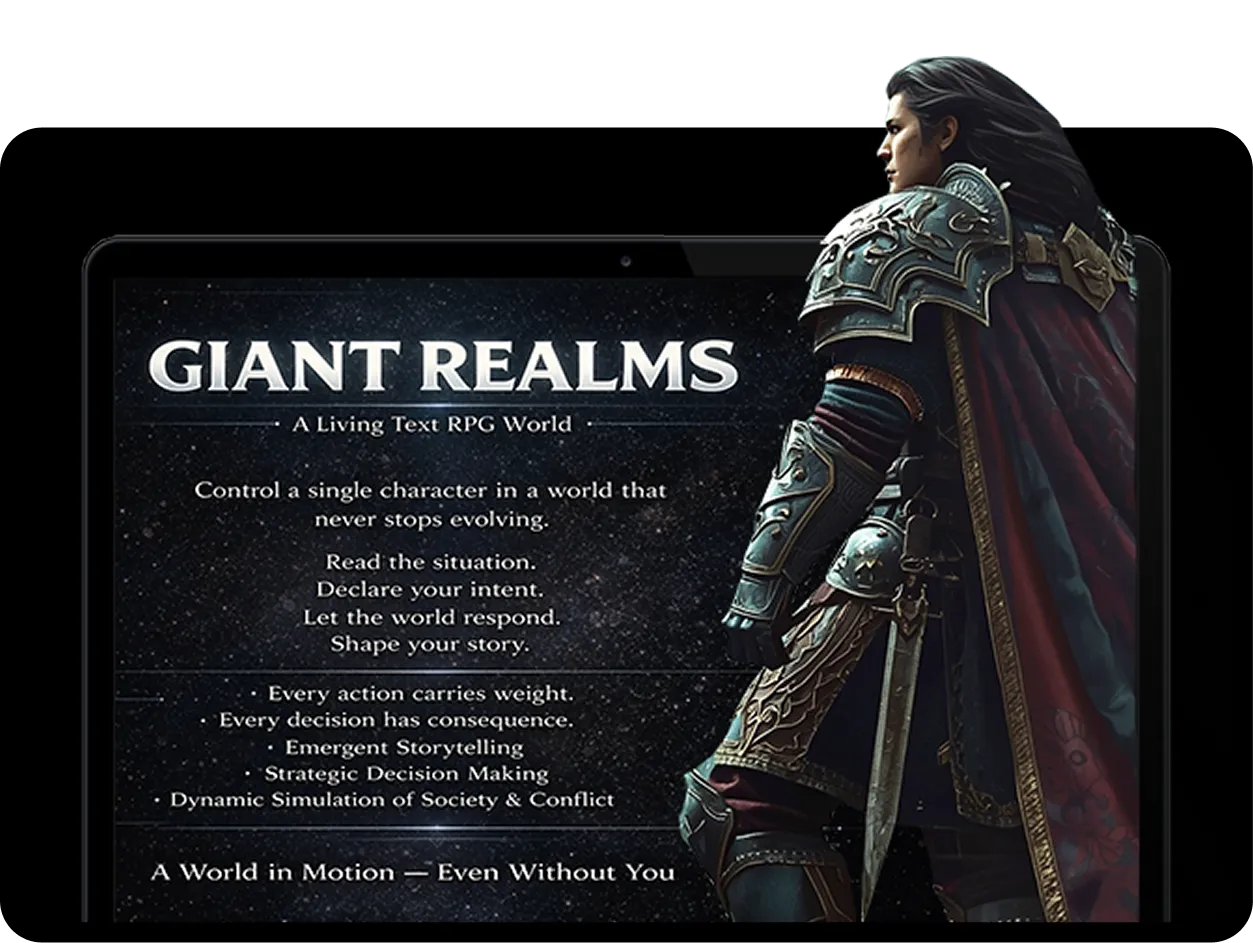
Giant Realms
Canadian Software Agency partnered with a USA-based client to transform Giant Realms — an ambitious, procedurally driven MUD (Multi-User Dungeon) concept — into a structured, scalable, and production-ready development blueprint.
Frequently Asked Questions
How much does mobile app development cost in Canada?
The cost of mobile app development in Canada typically ranges from $10,000 to $150,000+, depending on the complexity, features, and platforms involved. A basic MVP app may cost between $10,000–$25,000, while more advanced applications with integrations, real-time features, or AI capabilities can exceed $100,000.
Factors affecting cost include UI/UX design, backend infrastructure, APIs, scalability requirements, and whether the app is built natively or cross-platform
How long does it take to build a mobile app?
The timeline for mobile app development usually ranges from 8 weeks to 6 months. A simple MVP can be completed in 6–10 weeks, while complex applications with advanced features, integrations, or AI components may take 4–6 months or longer.
Proper planning, clear requirements, and an experienced development team significantly reduce timelines.
What is the difference between native and cross-platform app development?
Native apps are built specifically for iOS (Swift) or Android (Kotlin), offering maximum performance and full access to device features. Cross-platform apps (React Native, Flutter) allow faster development and lower costs by using a shared codebase.
The choice depends on your budget, performance needs, and time-to-market requirements.
What industries benefit the most from AI development?
AI development is widely used across industries including:
- Healthcare (diagnostics, patient management)
- Fintech (fraud detection, analytics)
- E-commerce (recommendation engines)
- Logistics (route optimization)
- Education (adaptive learning)
Businesses that rely on data, automation, or personalization benefit the most from AI integration.
What is an AI agent and how does it work?
An AI agent is a system that can perform tasks autonomously using artificial intelligence. It can analyze data, make decisions, and execute actions without constant human input.
Examples include chatbots, workflow automation tools, and AI assistants integrated into business systems.
What is RAG (Retrieval-Augmented Generation) in AI?
RAG (Retrieval-Augmented Generation) is an AI approach that combines large language models with real-time data retrieval. It allows AI systems to generate more accurate and context-aware responses using external knowledge sources.
It is commonly used in chatbots, enterprise search systems, and AI assistants.
Do you build SaaS platforms?
Yes, we specialize in SaaS (Software as a Service) development, building scalable cloud-based platforms for startups and enterprises. Our SaaS solutions include subscription systems, dashboards, user management, and integrations.
What technologies do you use for development?
We use modern technologies including:
- React, Next.js (frontend)
- Nodejs, Python (backend)
- MongoDB, PostgreSQL (databases)
- AWS, Azure (cloud)
- React Native, Flutter (mobile)
Do you offer post-launch support and maintenance?
Yes, we provide ongoing support, maintenance, and scaling services. This includes bug fixes, performance optimization, feature updates, and infrastructure management.
Can you scale an existing application?
Yes, we specialize in scaling existing applications by improving performance, optimizing architecture, and adding new features to support growth.
What is the cost of custom software development in Canada?
Custom software development typically ranges from $20,000 to $200,000+, depending on the complexity, integrations, and scalability requirements.
Do you work with startups or only enterprises?
We work with both startups and enterprises. For startups, we focus on MVP development and rapid deployment. For enterprises, we build scalable, secure, and integrated systems.
What is the best tech stack for mobile app development?
The best tech stack depends on your goals. Native development (Swift/Kotlin) offers performance, while React Native and Flutter offer faster development and cost efficiency.
Do you provide UI/UX design services?
Yes, we provide full UI/UX design services including wireframes, prototypes, and user experience optimization.
What is included in your AI development services?
Our AI services include AI agents, LLM integration, RAG systems, chatbots, predictive analytics, and automation solutions.
How do you ensure security in software development?
We follow best practices including encryption, secure authentication, compliance standards, and regular security audits.
Do you develop enterprise software?
Yes, we build enterprise-grade applications including CRM, ERP, dashboards, and workflow automation systems.
What is your development process?
Our process includes discovery, design, development, testing, deployment, and ongoing support.
Can you integrate third-party APIs?
Yes, we integrate APIs including payment gateways, CRMs, AI services, and more.
What is AI automation?
AI automation uses artificial intelligence to automate repetitive tasks, improve workflows, and reduce manual effort.
Do you build e-commerce platforms?
Yes, we build scalable e-commerce platforms with payment integrations, inventory systems, and AI-driven personalization.
What makes your company different from competitors?
We combine AI expertise, mobile app development, and custom software capabilities under one roof, allowing us to deliver complete digital solutions.
Do you provide cloud deployment services?
Yes, we deploy applications on AWS, Azure, and other cloud platforms for scalability and reliability.
Can you modernize legacy systems?
Yes, we help businesses modernize outdated systems by upgrading technology and improving performance.
How do I get started with your development services?
You can contact us through our website to schedule a consultation where we discuss your project requirements and provide a tailored solution.




Ready to work together?
Let's get in touch