Structuring Giant Realms: From Concept to a Scalable Game Development Blueprint
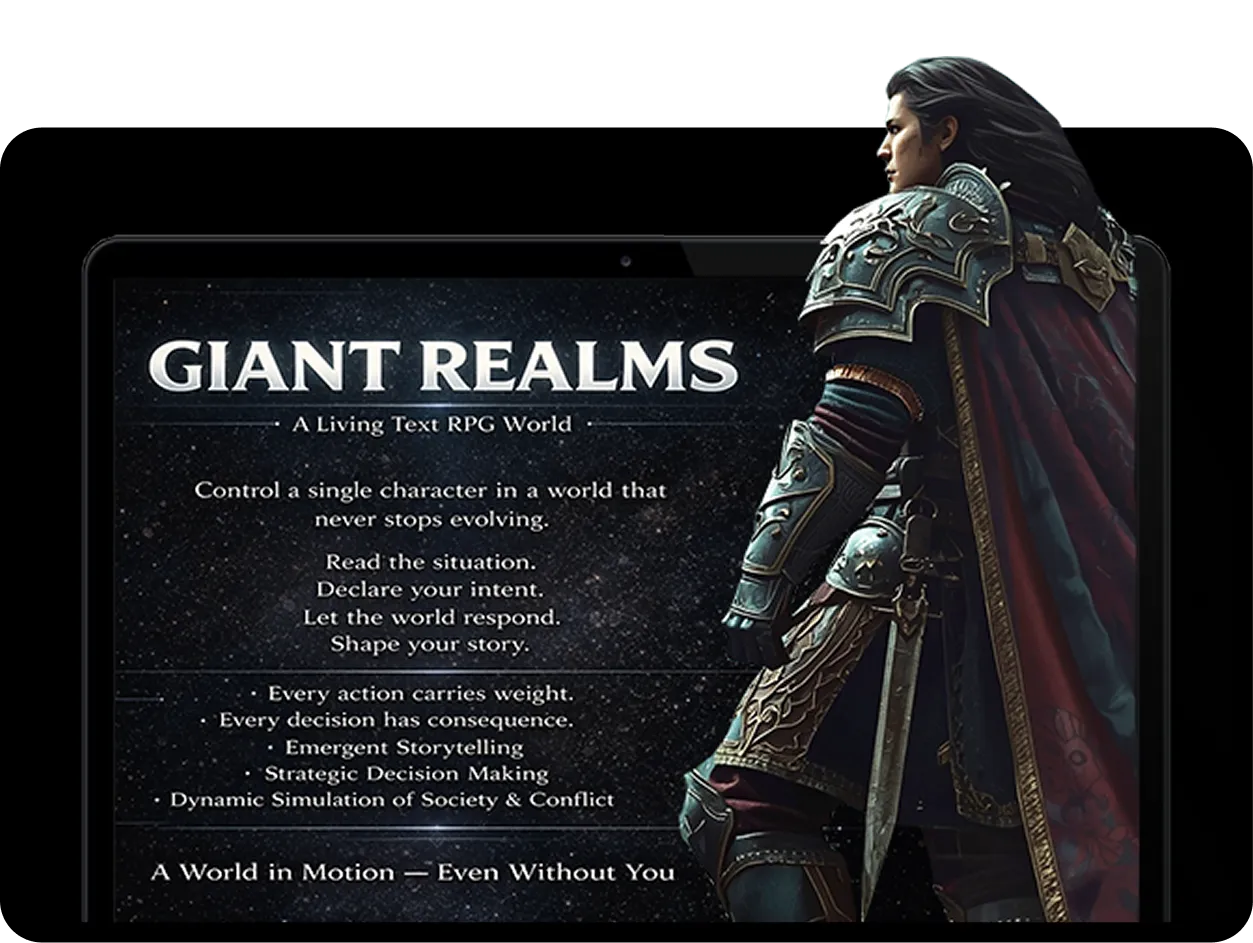
Canadian Software Agency partnered with a USA-based client to transform Giant Realms — an ambitious, procedurally driven MUD (Multi-User Dungeon) concept — into a structured, scalable, and production-ready development blueprint.
The client had a strong creative vision for a dynamic simulation-based multiplayer world but required a comprehensive pre-production strategy to align gameplay systems, technical feasibility, and long-term scalability before entering full-scale development.
Canadian Software Agency led the project’s pre-production planning phase by defining gameplay systems, creating detailed design and technical documentation, and establishing a clear development roadmap. The engagement focused on turning a broad conceptual idea into a practical framework capable of supporting complex procedural systems and scalable multiplayer architecture.
The result was a complete planning foundation that positioned Giant Realms for efficient production, reduced development uncertainty, and aligned creative direction with technical execution.
Timeline
Production in Progress
Total Development Effort
Game design planning, technical architecture definition
Team Size
4+ specialists
Key Deliverables
Technical Design Document
Comprehensive Game Design Document
Gameplay Systems Definition
The Challenge
The Giant Realms project began as a high-level concept without a clearly defined execution framework. While the client had a strong vision for a procedurally driven multiplayer world, the project lacked the structured planning required for scalable implementation.
Canadian Software Agency identified several core challenges that needed to be addressed before development could begin:
Creating a modern digital experience aligned with EcoTech’s premium brand positioning
Defining gameplay systems for a dynamic simulation-driven environment
Aligning creative vision with technical feasibility
Creating clarity around system integrations and world simulation mechanics
Defining roadmap priorities for future production phases
Reducing development risk through structured documentation and planning
Without a strong pre-production process, the project risked architectural inconsistencies, unclear gameplay direction, and scalability limitations during future implementation.
The Solution
Canadian Software Agency guided the client through a structured pre-production engagement focused on transforming the conceptual vision into a scalable and technically aligned development blueprint.
The team developed a comprehensive Game Design Document (GDD) defining gameplay loops, procedural systems, multiplayer mechanics, and world-building structure. Alongside this, a detailed Technical Design Document (TDD) established architecture planning, integration strategies, and technical feasibility requirements.
The solution included:
Complete Game Design Document (GDD) creation
Technical Design Document (TDD) development
Gameplay systems and mechanics structuring
Procedural world system planning
Multiplayer scalability architecture definition
Technical feasibility validation
Production roadmap planning and milestone definition
This structured pre-production approach gave the client a clear path toward scalable development while minimizing future production uncertainty.
Core Platform Features
Giant Realms includes a structured set of pre-production planning systems designed to define scalable gameplay architecture, procedural simulation frameworks, and a production-ready roadmap for future implementation.
Comprehensive Game Design Document (GDD)
The Canadian Software Agency developed a detailed Game Design Document that defined gameplay loops, progression systems, procedural mechanics, and multiplayer interactions. The GDD served as the foundational blueprint for the entire project and ensured alignment across all future production phases.
Technical Design Architecture (TDD)
A structured Technical Design Document outlined system architecture, integration strategies, scalability planning, and technical implementation requirements. This ensured the project could evolve within a realistic and maintainable technical framework.
Procedural System Planning
Special focus was placed on designing the procedural systems that would power the MUD experience. The framework established how dynamic content generation, simulation-driven environments, and evolving player interactions would function within a scalable architecture.
Multiplayer Scalability Planning
The project included architectural planning for multiplayer systems capable of supporting persistent online environments, dynamic interactions, and scalable server-side logic for future production growth.
Development Roadmap Structuring
Canadian Software Agency created a structured production roadmap outlining milestones, priorities, and implementation phases. This gave the client a clear progression path from concept planning into active development.
Design & Technical Alignment
A major focus of the engagement was ensuring strong alignment between gameplay ambition and technical feasibility. This reduced production risks and established a realistic framework for implementing complex simulation systems.
The Modern Stack Behind the Software.
A modern, production-ready stack was selected to support real-time interactions, cross-platform mobile delivery, and scalable deployment.
Core Technologies
Game Design Documentation Frameworks
System Architecture Planning
Multiplayer System Structuring
Procedural Gameplay Design
Simulation System Planning
Supporting Infrastructure & Services
Technical Documentation Tools
Workflow Planning Systems
Production Roadmap Frameworks
Simulation Design Methodologies
Architecture Planning Processes
See Giant Realms in Action
Giant Realms is currently in the production planning phase with a fully structured design and technical roadmap prepared for future development execution.
The Giant Realms engagement was delivered through a structured pre-production process covering concept analysis, gameplay planning, technical architecture definition, procedural system structuring, and roadmap finalization.
November 3, 2025 – November 14, 2025
Project Discovery & Concept Analysis
Canadian Software Agency began by reviewing the client’s original concept, evaluating gameplay scope, procedural ambitions, and multiplayer scalability requirements. The team identified the foundational systems needed for long-term production feasibility.
November 17, 2025 – December 22, 2025
Game Design Document (GDD) Development
A comprehensive Game Design Document was created to define gameplay mechanics, world systems, progression loops, and procedural gameplay foundations.
January 12, 2026 – February 27, 2026
Technical Design Document (TDD) Planning
The team developed a detailed Technical Design Document outlining scalable architecture planning, integration strategies, multiplayer system requirements, and technical implementation considerations.
February 23, 2026 – March 20, 2026
Procedural System Structuring
Canadian Software Agency defined the procedural frameworks that would drive dynamic world simulation, player interaction systems, and evolving gameplay content within the MUD environment.
March 23, 2026 – March 27, 2026
Roadmap Finalization & Production Readiness
The final phase focused on consolidating all documentation, validating technical feasibility, and establishing a structured roadmap that prepared the project for future production execution.
Results
Successfully Transformed from Concept to Production-Ready Blueprint
Canadian Software Agency successfully converted Giant Realms from an ambitious conceptual idea into a structured and scalable development framework.
Key Outcomes
The engagement delivered clear gameplay direction, aligned technical feasibility, and established a strong production foundation capable of supporting future large-scale multiplayer development.
complete Game Design Document (GDD) delivered
0
structured Technical Design Document (TDD) framework established
0
core gameplay systems clearly defined and documented
Cloud9 is a platform designed for music playlist management and collaboration. It allows users to create, organize, and share playlists across various music streaming services. Cloud9 aims to simplify playlist curation and facilitate collaborative listening experiences. We collaborated with them to develop the MERN Stack-based website that provides tools for managing large music libraries.
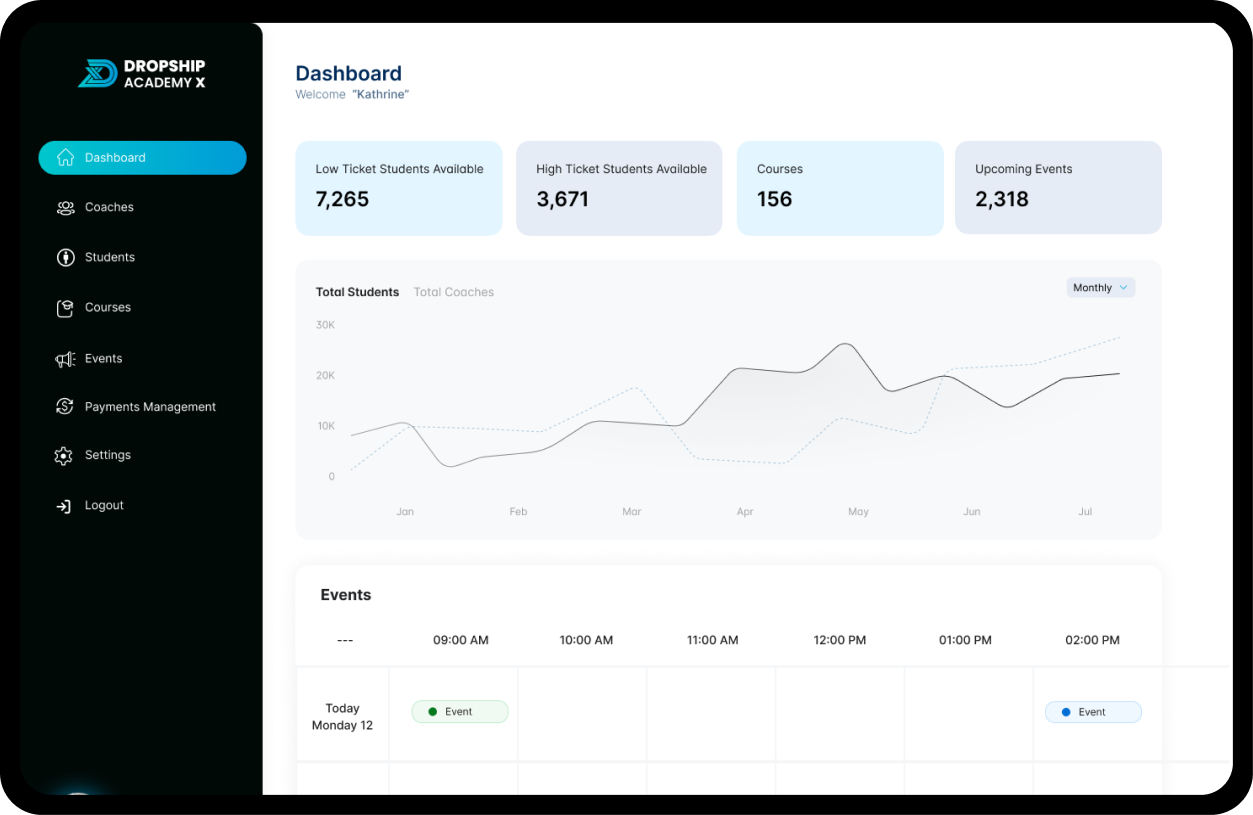
Dropship Academy is an advanced online learning platform designed to streamline e-commerce education. Built with the MERN Stack, it offers intuitive dashboards for admins, coaches, and students, including course and management, event scheduling, and real-time performance tracking. With secure role-based access and automated payment logs, it empowers both coaches and students to thrive in a dynamic, digital environment.
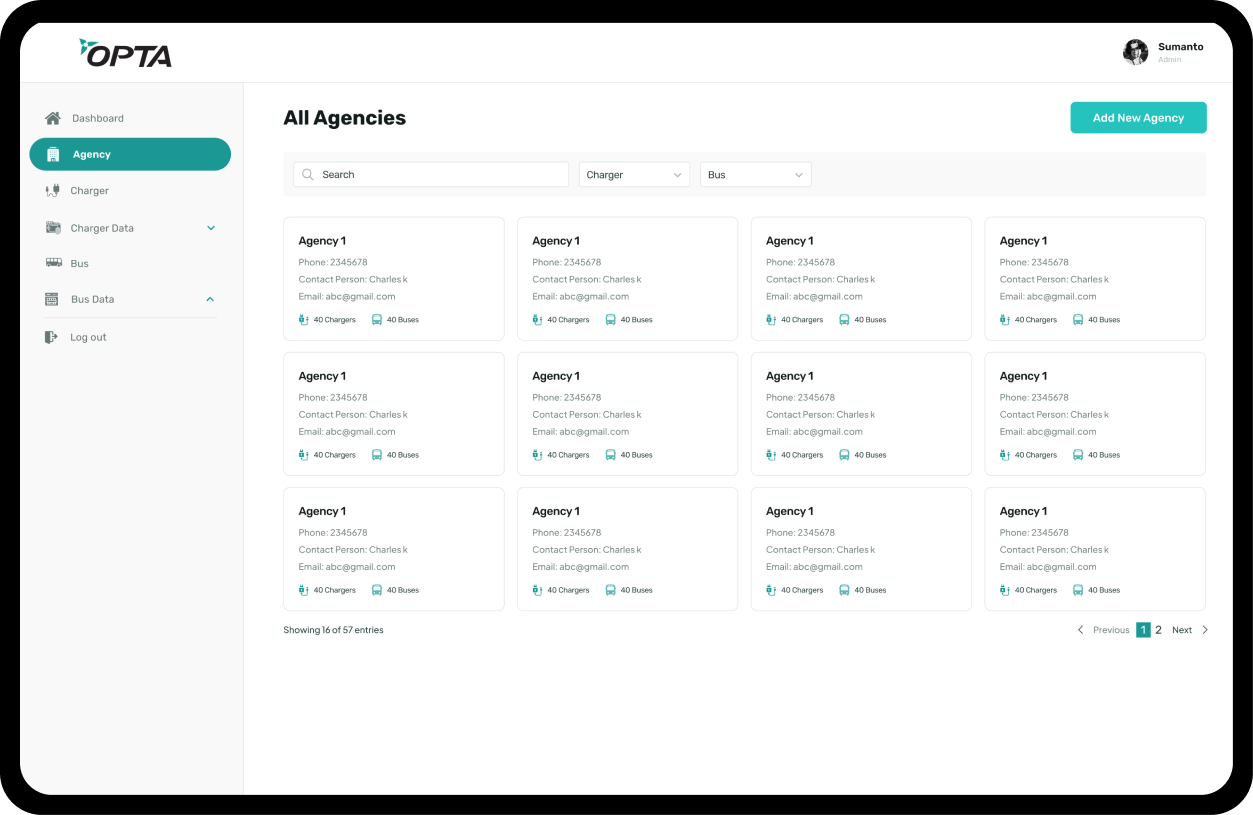
Built with cybersecurity, scalability, and data privacy at its core, OPTA provides participating transit agencies with a centralized dashboard to monitor fleet performance, energy efficiency, infrastructure reliability, and operational KPIs in real time.
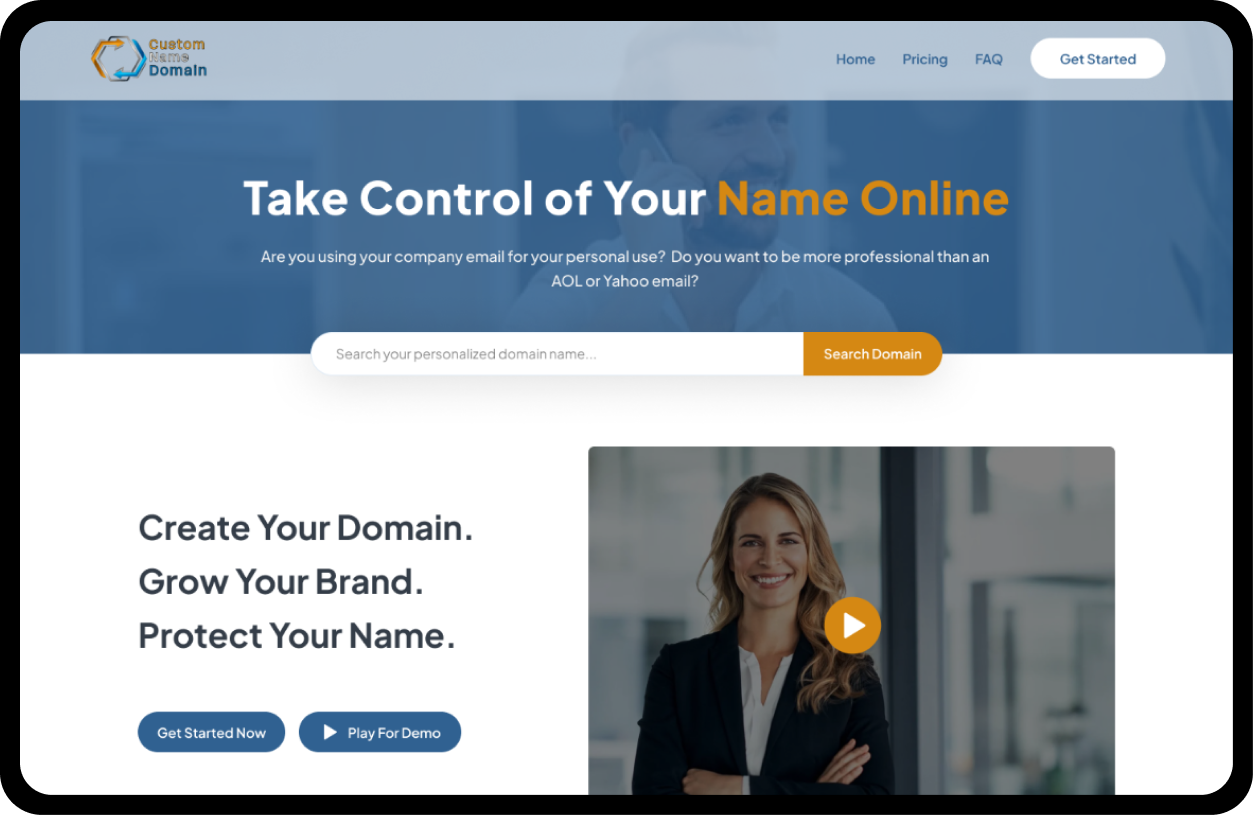
Custom Name Domain is a modern web platform designed to simplify how individuals and professionals establish a credible online identity. The platform allows users to easily secure personalized domain names and create custom email addresses—helping them move beyond generic email providers and build a stronger personal or professional brand. With an intuitive domain search, effortless email setup (including 5GB storage per inbox), and a centralized dashboard, users can manage everything from one place. The pricing is transparent, featuring a $99 startup fee with monthly or annual subscription options, and includes a free first domain to help users get started quickly.
Can Canadian Software Agency turn a game concept into a development plan?
Yes, we help transform game ideas into structured development blueprints with clear gameplay systems, technical requirements, and production roadmaps.
Can Canadian Software Agency create Game Design Documents (GDDs)?
Yes, we create detailed GDDs that outline gameplay mechanics, progression systems, world design, and core player interactions.
Can Canadian Software Agency plan scalable multiplayer game architecture?
Yes, we define multiplayer architecture requirements to support persistent online worlds, player interactions, and future scalability.
Can Canadian Software Agency help plan procedural game systems?
Yes, we design frameworks for procedural content generation, dynamic environments, and simulation-driven gameplay.
Does Canadian Software Agency provide game development pre-production services?
Yes, our pre-production services include technical planning, design documentation, feasibility assessment, and development roadmap creation to prepare projects for production.