

Transforming DDSA: Bringing Sports Data to Life Through Interactive Web Visualization
Canadian Software Agency partnered with an Australian sports enthusiast to transform DDSA into a scalable web-based sports analytics platform capable of delivering interactive 3D visualization experiences for basketball and tennis data.
Industry
Sports Analytics / Data Visualization
Platform
Web + AppStream
Launch
2026
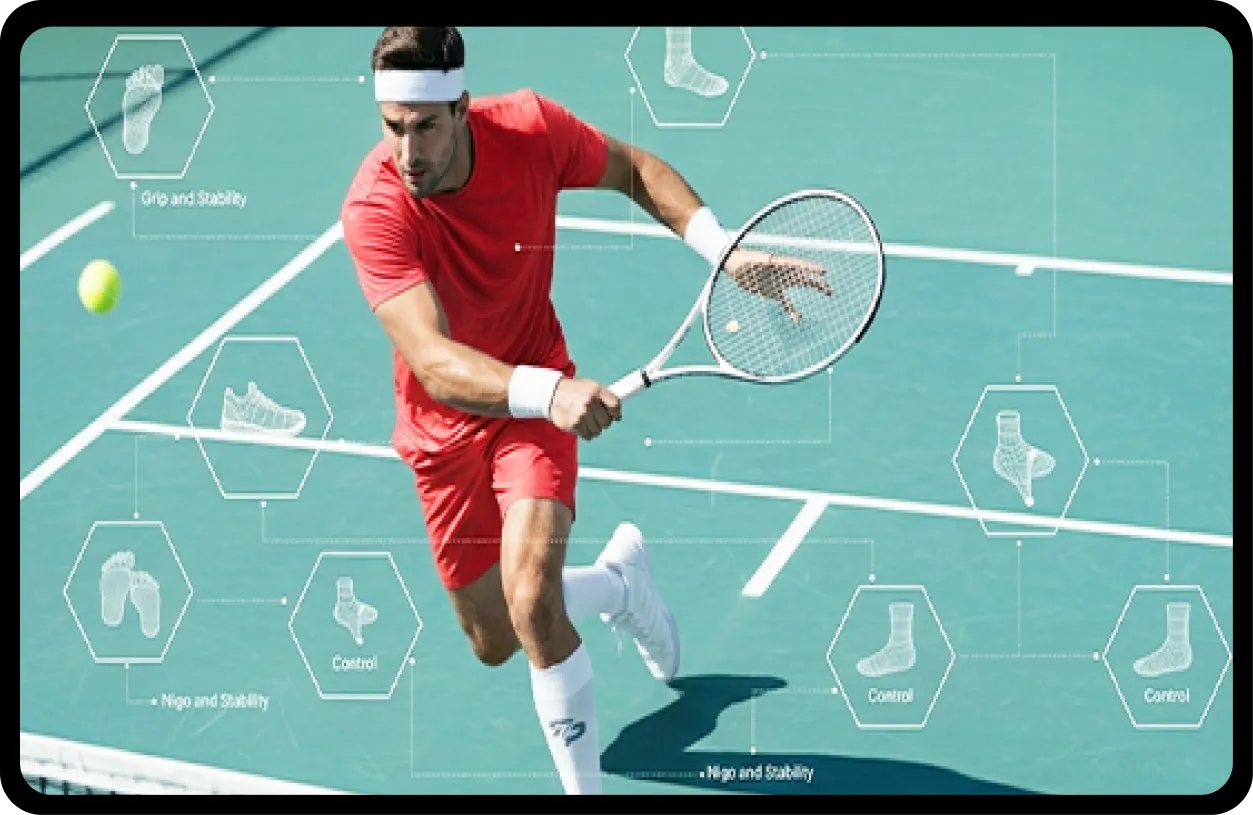
About the DDSA
The project focused on modernizing an existing sports analytics system that was originally not optimized for browser deployment. The client required a solution that could convert complex datasets into engaging visual experiences while maintaining performance, scalability, and accessibility across web environments.
Canadian Software Agency redesigned the project architecture for WebGL compatibility, developed a custom 3D basketball visualizer, optimized sports datasets for real-time rendering, and integrated AppStream deployment for reliable browser-based accessibility.
The final result was an immersive sports visualization platform capable of presenting complex player and match analytics through interactive 3D environments.
Timeline
November 2025 – February 2026
Total Development Effort
250+ Hours across all departments
Team Size
3+ specialists
Key Deliverables
UI/UX Design
CMS Development
Landing Pages
The Challenge
The client’s original sports analytics systems were not designed for deployment within modern browser environments, creating significant technical limitations for interactive web-based visualization.
The project involved handling large sports datasets while ensuring responsive rendering and stable deployment across WebGL and AppStream environments.
Key challenges included:
- Existing system incompatibility with WebGL deployment
- Performance bottlenecks within AppStream infrastructure
- Unstructured datasets are unsuitable for real-time visualization
- Difficulty presenting sports statistics through engaging interfaces
- Need for scalable browser-based rendering of data-heavy systems
- Maintaining smooth interaction across interactive 3D visualizations
The client required a complete modernization strategy capable of transforming static analytics into a scalable, high-performance web visualization platform.
The Solution
Canadian Software Agency redesigned the underlying system architecture to fully support WebGL deployment while simultaneously optimizing the sports analytics pipeline for interactive 3D visualization.
The development team structured and optimized raw datasets, created immersive basketball visualization systems, and integrated AppStream deployment to ensure seamless remote accessibility and stable browser performance.
The solution included:
- WebGL-compatible architecture modernization
- Interactive 3D basketball visualization system
- Sports data cleaning and optimization
- Real-time visualization rendering improvements
- AppStream deployment integration
- Performance tuning for scalable web interaction
This transformed DDSA into an engaging sports analytics platform capable of delivering interactive visual experiences directly through the browser.
Core Platform Features
DDSA includes a comprehensive feature set designed to transform complex sports analytics into interactive and visually engaging web experiences.
WebGL Architecture Conversion
The original system architecture was restructured and optimized for Unity WebGL deployment, enabling browser-based accessibility while preserving rendering performance and analytics accuracy.
This modernization allowed users to access interactive sports visualizations directly through web environments without requiring native installations.

Interactive 3D Basketball Data Visualizer
Canadian Software Agency developed a custom 3D basketball visualization system capable of displaying player statistics, game metrics, and match analytics in an immersive environment.
Users could interact with visual data representations to better analyze gameplay patterns, player movements, and performance insights.

Sports Data Structuring & Optimization
Large raw sports datasets were cleaned, processed, and restructured to ensure accurate real-time representation inside the visualization environment.
This optimization significantly improved rendering responsiveness, data reliability, and overall system efficiency during interactive usage.

AppStream Deployment Integration
The DDSA platform was integrated with Amazon AppStream to provide stable remote deployment and seamless browser accessibility.
This enabled users to interact with the analytics platform remotely while maintaining reliable visualization performance across environments.

Performance Optimization for Interactive Visualization
Extensive optimization work was carried out to improve rendering efficiency, dataset handling, and interaction responsiveness within WebGL environments.
The platform was tuned to maintain smooth performance even when processing large-scale sports analytics datasets and interactive 3D scenes.

The Modern Stack Behind the Software.
A modern, production-ready stack was selected to support real-time interactions, cross-platform mobile delivery, and scalable deployment.
Core Technologies
Unity Engine
Unity WebGL
C#
Supporting Infrastructure & Services
Amazon AppStream
Data Processing Pipelines
3D Visualization Systems
Performance Optimization Frameworks
See DDSA in Action
DDSA is now available as an interactive sports analytics visualization platform accessible through web-based deployment environments.
Project Timeline
The platform was tuned to maintain smooth performance even when processing large-scale sports analytics datasets and interactive 3D scenes.
- November 3, 2025 – November 7, 2025

Project Assessment & Architecture Planning
Canadian Software Agency began by evaluating the existing sports analytics infrastructure, identifying WebGL deployment limitations, data bottlenecks, and system modernization requirements.
- November 7, 2025 – November 30, 2025
WebGL Conversion & System Modernization
The original architecture was redesigned and optimized to support browser-based WebGL deployment while improving scalability and rendering efficiency.
- December 1, 2025 – December 19, 2025
3D Visualizer Development
The development team created a custom 3D basketball visualizer capable of presenting sports analytics and player data through interactive visualization systems.
- December 22, 2025 – January 2, 2026
Data Structuring & Optimization
Raw sports datasets were cleaned, structured, and optimized for efficient real-time rendering and smooth interaction within the WebGL environment.
- January 5, 2026 – January 14, 2026
AppStream Deployment & Final Optimization
The final phase included AppStream integration, deployment preparation, system testing, and performance optimization to ensure stable browser-based operation.
- Results
Successfully Delivered Interactive Web-Based Sports Visualization Platform
DDSA was successfully transformed into a scalable web-based sports analytics solution featuring immersive 3D visualization, optimized datasets, and reliable AppStream deployment.
Key Outcomes
The project enabled users to explore complex sports analytics data through engaging and highly interactive browser experiences.
WebGL-compatible architecture delivered
0
%
Stable AppStream deployment for scalable accessibility
0
%
core interactive visualization modules developed
0
+
improvement in user engagement through interactive analytics
0
%
Optimized rendering and dataset performance across browser environments
0
%
Related Case Studies
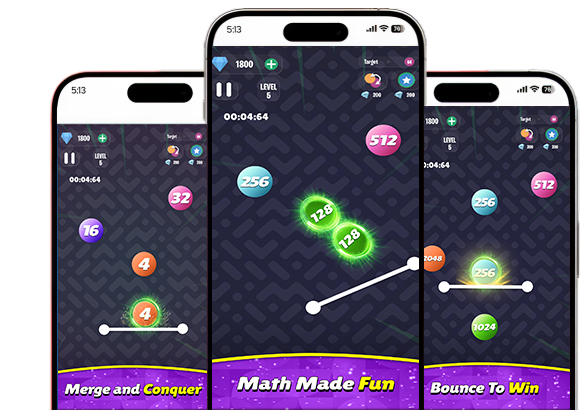
2488 – Number Merging Game Enhancement
This game is designed to deliver smooth, engaging gameplay through intuitive mechanics and a clean visual interface. The project focused on refining player experience, improving difficulty balance, and optimizing core interactions to ensure long-term playability and satisfaction.
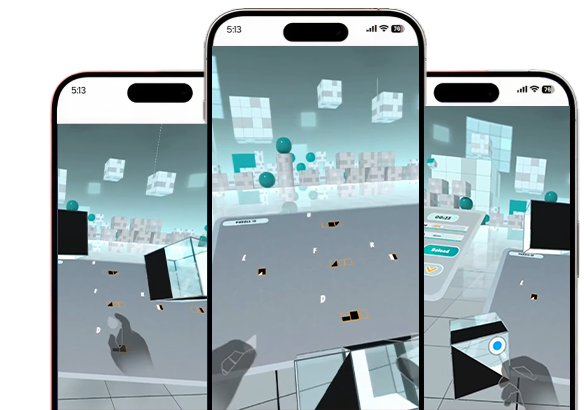
VR Game Floating Cubes
This is an experimental VR experience built around freeform cube manipulation, allowing players to snap, detach, and rearrange magnetic cubes in a fully immersive environment. The system delivers smooth physics-driven interactions, natural magnetic behavior, and intuitive creative control.
DDSA
Canadian Software Agency partnered with an Australian sports enthusiast to transform DDSA into a scalable web-based sports analytics platform capable of delivering interactive 3D visualization experiences for basketball and tennis data.
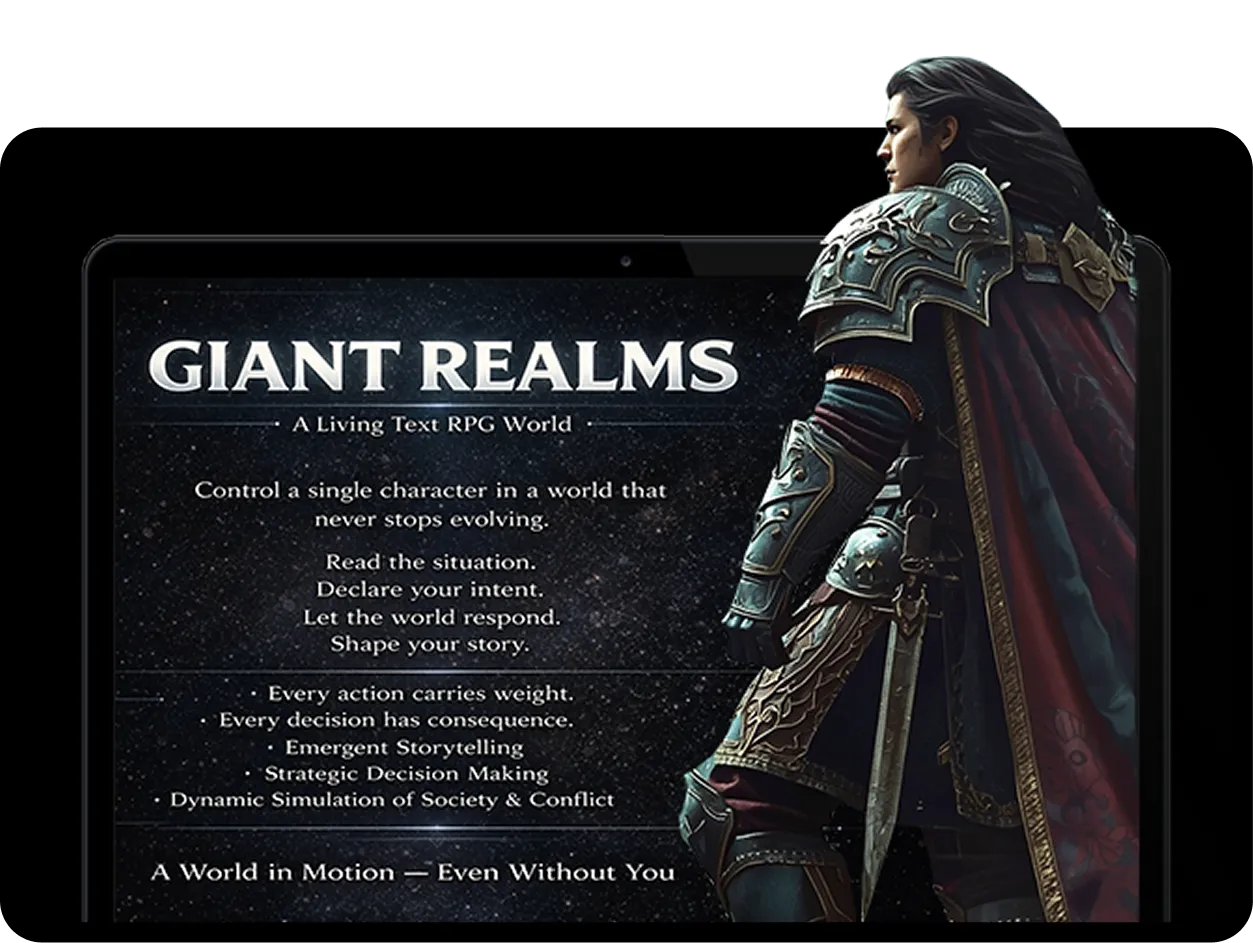
Giant Realms
Canadian Software Agency partnered with a USA-based client to transform Giant Realms — an ambitious, procedurally driven MUD (Multi-User Dungeon) concept — into a structured, scalable, and production-ready development blueprint.
Frequently Asked Questions
How much does mobile app development cost in Canada?
The cost of mobile app development in Canada typically ranges from $10,000 to $150,000+, depending on the complexity, features, and platforms involved. A basic MVP app may cost between $10,000–$25,000, while more advanced applications with integrations, real-time features, or AI capabilities can exceed $100,000.
Factors affecting cost include UI/UX design, backend infrastructure, APIs, scalability requirements, and whether the app is built natively or cross-platform
How long does it take to build a mobile app?
The timeline for mobile app development usually ranges from 8 weeks to 6 months. A simple MVP can be completed in 6–10 weeks, while complex applications with advanced features, integrations, or AI components may take 4–6 months or longer.
Proper planning, clear requirements, and an experienced development team significantly reduce timelines.
What is the difference between native and cross-platform app development?
Native apps are built specifically for iOS (Swift) or Android (Kotlin), offering maximum performance and full access to device features. Cross-platform apps (React Native, Flutter) allow faster development and lower costs by using a shared codebase.
The choice depends on your budget, performance needs, and time-to-market requirements.
What industries benefit the most from AI development?
AI development is widely used across industries including:
- Healthcare (diagnostics, patient management)
- Fintech (fraud detection, analytics)
- E-commerce (recommendation engines)
- Logistics (route optimization)
- Education (adaptive learning)
Businesses that rely on data, automation, or personalization benefit the most from AI integration.
What is an AI agent and how does it work?
An AI agent is a system that can perform tasks autonomously using artificial intelligence. It can analyze data, make decisions, and execute actions without constant human input.
Examples include chatbots, workflow automation tools, and AI assistants integrated into business systems.
What is RAG (Retrieval-Augmented Generation) in AI?
RAG (Retrieval-Augmented Generation) is an AI approach that combines large language models with real-time data retrieval. It allows AI systems to generate more accurate and context-aware responses using external knowledge sources.
It is commonly used in chatbots, enterprise search systems, and AI assistants.
Do you build SaaS platforms?
Yes, we specialize in SaaS (Software as a Service) development, building scalable cloud-based platforms for startups and enterprises. Our SaaS solutions include subscription systems, dashboards, user management, and integrations.
What technologies do you use for development?
We use modern technologies including:
- React, Next.js (frontend)
- Nodejs, Python (backend)
- MongoDB, PostgreSQL (databases)
- AWS, Azure (cloud)
- React Native, Flutter (mobile)
Do you offer post-launch support and maintenance?
Yes, we provide ongoing support, maintenance, and scaling services. This includes bug fixes, performance optimization, feature updates, and infrastructure management.
Can you scale an existing application?
Yes, we specialize in scaling existing applications by improving performance, optimizing architecture, and adding new features to support growth.
What is the cost of custom software development in Canada?
Custom software development typically ranges from $20,000 to $200,000+, depending on the complexity, integrations, and scalability requirements.
Do you work with startups or only enterprises?
We work with both startups and enterprises. For startups, we focus on MVP development and rapid deployment. For enterprises, we build scalable, secure, and integrated systems.
What is the best tech stack for mobile app development?
The best tech stack depends on your goals. Native development (Swift/Kotlin) offers performance, while React Native and Flutter offer faster development and cost efficiency.
Do you provide UI/UX design services?
Yes, we provide full UI/UX design services including wireframes, prototypes, and user experience optimization.
What is included in your AI development services?
Our AI services include AI agents, LLM integration, RAG systems, chatbots, predictive analytics, and automation solutions.
How do you ensure security in software development?
We follow best practices including encryption, secure authentication, compliance standards, and regular security audits.
Do you develop enterprise software?
Yes, we build enterprise-grade applications including CRM, ERP, dashboards, and workflow automation systems.
What is your development process?
Our process includes discovery, design, development, testing, deployment, and ongoing support.
Can you integrate third-party APIs?
Yes, we integrate APIs including payment gateways, CRMs, AI services, and more.
What is AI automation?
AI automation uses artificial intelligence to automate repetitive tasks, improve workflows, and reduce manual effort.
Do you build e-commerce platforms?
Yes, we build scalable e-commerce platforms with payment integrations, inventory systems, and AI-driven personalization.
What makes your company different from competitors?
We combine AI expertise, mobile app development, and custom software capabilities under one roof, allowing us to deliver complete digital solutions.
Do you provide cloud deployment services?
Yes, we deploy applications on AWS, Azure, and other cloud platforms for scalability and reliability.
Can you modernize legacy systems?
Yes, we help businesses modernize outdated systems by upgrading technology and improving performance.
How do I get started with your development services?
You can contact us through our website to schedule a consultation where we discuss your project requirements and provide a tailored solution.


-

- Posted by Canadian Agency Web Development Team

September 29, 2026
17 min read
Webflow Website Development: How to Build a Website That Drives Real Results

-
- Posted by Canadian Agency Web Development Team
September 23, 2026
15 min read
AI in Ecommerce: 10 Powerful Ways It's Transforming Online Stores
Ready to work together?
Let's get in touch