
Building a Large-Scale Immersive AR Experience with VPS Precision
Canadian Software Agency partnered with an AR innovation team to develop a large-scale immersive augmented reality experience powered by VPS (Visual Positioning System) anchors.
Industry
Augmented Reality / Spatial Computing
Platform
iPad App
Launch
2025

About the AR Experience
The objective was to create a seamless spatial computing environment capable of maintaining highly accurate AR content placement across wide physical spaces while delivering stable performance on iPad devices.
Using Unity 2022.3.9 and Niantic ARDK, Canadian Software Agency engineered a production-ready AR pipeline focused on spatial precision, optimized rendering, realistic environmental interactions, and deployment stability. The final solution delivered a visually immersive and technically robust AR experience optimized for real-world usage scenarios.
Timeline
June 2025 – July 2025
Total Development Effort
AR development, VPS anchor integration,
Team Size
3+ specialists
Key Deliverables
VPS Anchor Implementation
Asset Optimization
iPad AR Application
The Challenge
The project required the implementation of multiple VPS anchors using Niantic ARDK to maintain stable spatial tracking and precise AR content placement across a large physical environment. The solution also needed to support high visual fidelity, realistic lighting systems, optimized 3D assets, and stable performance on iPad hardware.
Key challenges included:
- Maintaining precise AR alignment across large-scale physical spaces
- Ensuring seamless continuity between multiple VPS anchor zones
- Optimizing 3D assets without reducing visual quality
- Implementing realistic shadows and reflections in real time
- Maintaining stable frame rates on iPad devices
- Balancing rendering quality with real-time performance requirements
- Delivering a production-ready AR experience within a tight timeline
Canadian Software Agency needed to build a scalable and stable AR solution capable of supporting immersive real-world interactions while maintaining technical reliability and visual consistency.
The Solution
Canadian Software Agency designed and implemented a structured AR development workflow using Unity 2022.3.9 and Niantic ARDK to create a stable VPS-powered spatial experience.
The team configured multiple VPS anchors to ensure seamless spatial continuity throughout the environment. Advanced optimization workflows were introduced to improve rendering efficiency while preserving visual quality. Realistic lighting systems, reflections, and shading enhancements were integrated to strengthen immersion and environmental realism.
The application was extensively tested and optimized for iPad deployment to ensure smooth AR interactions, reliable spatial tracking, and stable runtime performance.
The solution included:
- VPS anchor setup and spatial calibration
- Large-scale AR environment alignment
- Asset optimization for real-time rendering
- Advanced lighting and reflection enhancements
- Cross-platform testing and debugging
- iOS and iPad deployment optimization
- Performance tuning for stable AR interaction
Core Platform Features
Canadian Software Agency delivered a robust AR feature set designed to ensure spatial accuracy, immersive rendering, and optimized real-time performance across large physical environments.
VPS-Based Spatial Anchoring System
A multi-anchor VPS infrastructure was implemented to maintain precise alignment of AR content across wide physical environments, ensuring seamless spatial continuity and reliable object positioning.

Optimized Asset Pipeline
3D assets were optimized to reduce rendering overhead while preserving visual fidelity, improving application responsiveness, and runtime efficiency on iPad devices.

Advanced Lighting & Realistic Rendering
Enhanced lighting systems introduced realistic shadows, reflections, and environmental consistency to create a more immersive AR experience.

iPad Performance Stability
The application was optimized specifically for iPad hardware to maintain stable frame rates, smooth interactions, and reliable AR tracking during extended usage sessions.

Performance Optimization Layer
System-level optimizations reduced AR initialization time, improved runtime responsiveness, and enhanced overall rendering performance during active sessions.

Spatial Calibration Workflow
Custom spatial calibration processes ensured accurate anchor positioning and consistent AR content synchronization across large environments.

The Modern Stack Behind the Software.
A modern, production-ready stack was selected to support real-time interactions, cross-platform mobile delivery, and scalable deployment.
Core Technologies
Unity 2022.3.9
Niantic ARDK
AR Foundation Systems
iOS / iPadOS Frameworks
Supporting Infrastructure & Services
VPS Anchor Systems
Real-Time Rendering Pipelines
3D Asset Optimization Workflows
Lighting & Reflection Systems
Cross-Platform Testing Tools
iOS Deployment & Debugging Tools
See AR Experience in Action
Canadian Software Agency successfully delivered a production-ready immersive AR solution optimized for large-scale spatial environments and iPad deployment.
Project Timeline
AR pipeline focused on spatial precision, optimized rendering, realistic environmental interactions, and deployment stability. The final solution delivered a visually immersive and technically robust AR experience optimized for real-world usage scenarios.
- June 2, 2025 – June 6, 2025

Project Discovery & AR Planning
Canadian Software Agency analyzed the client’s immersive AR goals, evaluated spatial requirements, and designed the implementation strategy for large-scale VPS anchor continuity.
- June 9, 2025 – June 20, 2025
VPS Anchor System Development
The team implemented multiple VPS anchors using Niantic ARDK to establish seamless AR content alignment and stable spatial positioning throughout the environment.
- June 23, 2025 – June 26, 2025
Asset Optimization & Rendering Enhancements
3D assets, rendering systems, reflections, and lighting workflows were optimized to improve performance efficiency and visual realism on iPad devices.
- July 1, 2025 – July 3, 2025
Cross-Platform Testing & Debugging
Extensive testing workflows validated VPS accuracy, rendering consistency, runtime stability, and overall AR interaction quality across target environments.
- July 7, 2025 – July 11, 2025
iPad Deployment & Final Delivery
The final phase focused on deployment optimization, export workflows, performance refinements, and final delivery of the production-ready AR application.
- Results
Delivering a Stable and Immersive Large-Scale AR Experience
Canadian Software Agency successfully delivered a high-performance immersive AR solution capable of maintaining stable VPS anchor continuity, optimized rendering performance, and realistic spatial interactions across large environments.
Key Outcomes
The final product achieved strong technical stability while improving overall immersion, responsiveness, and AR interaction quality on iPad devices.
seamless VPS anchor-based content alignment across tested environments
0
%
faster AR asset loading and rendering performance
0
%
improvement in visual fidelity through enhanced lighting and reflections
0
%
increase in user engagement during AR interactions
0
%
more efficient AR content updates across large physical environments
0
%
Related Case Studies
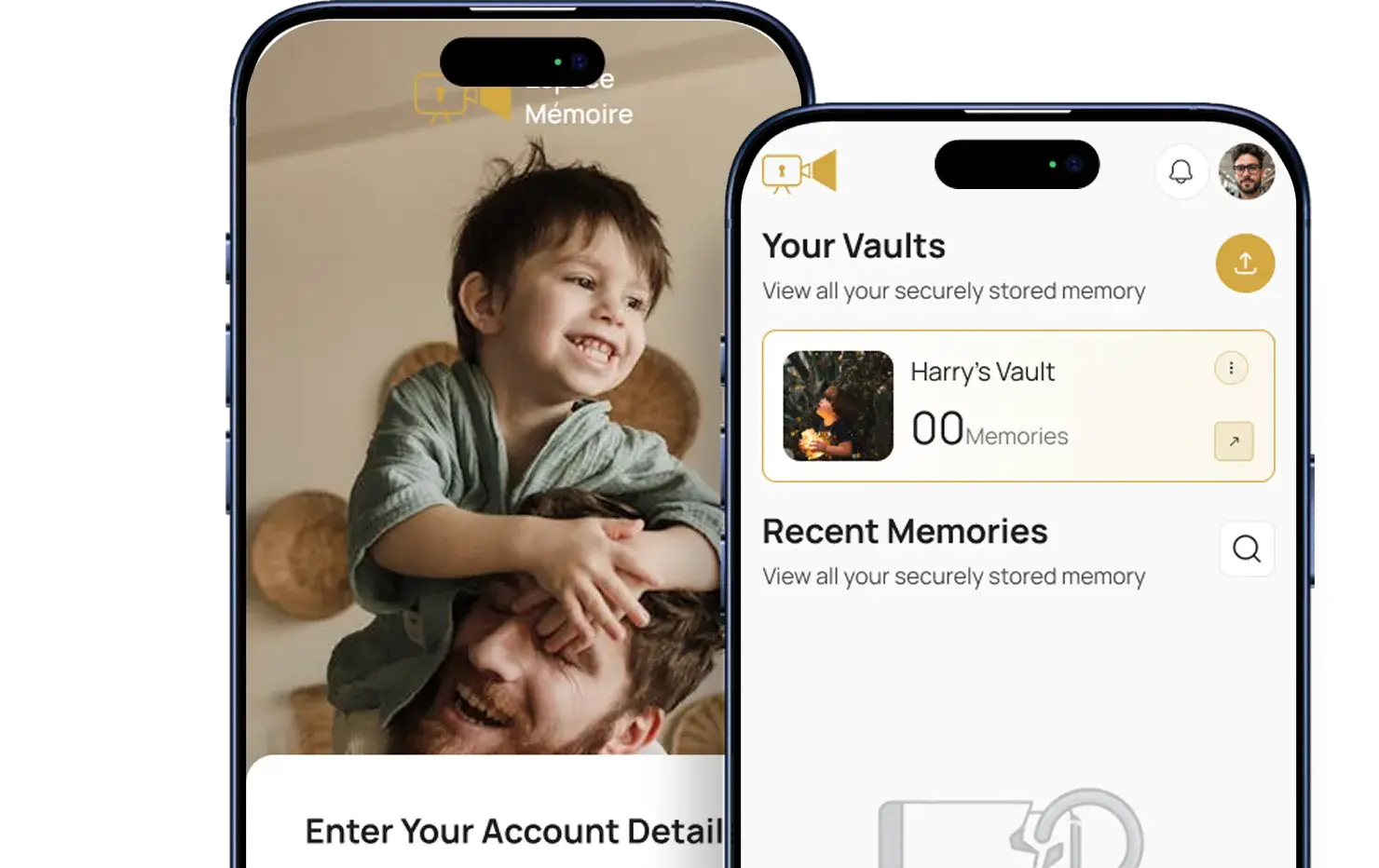
Espace Mémoire
Canadian Software Agency partnered with Espace Mémoire to transform an incomplete product vision into a fully functional, emotionally intelligent memory preservation platform available across web and mobile devices.
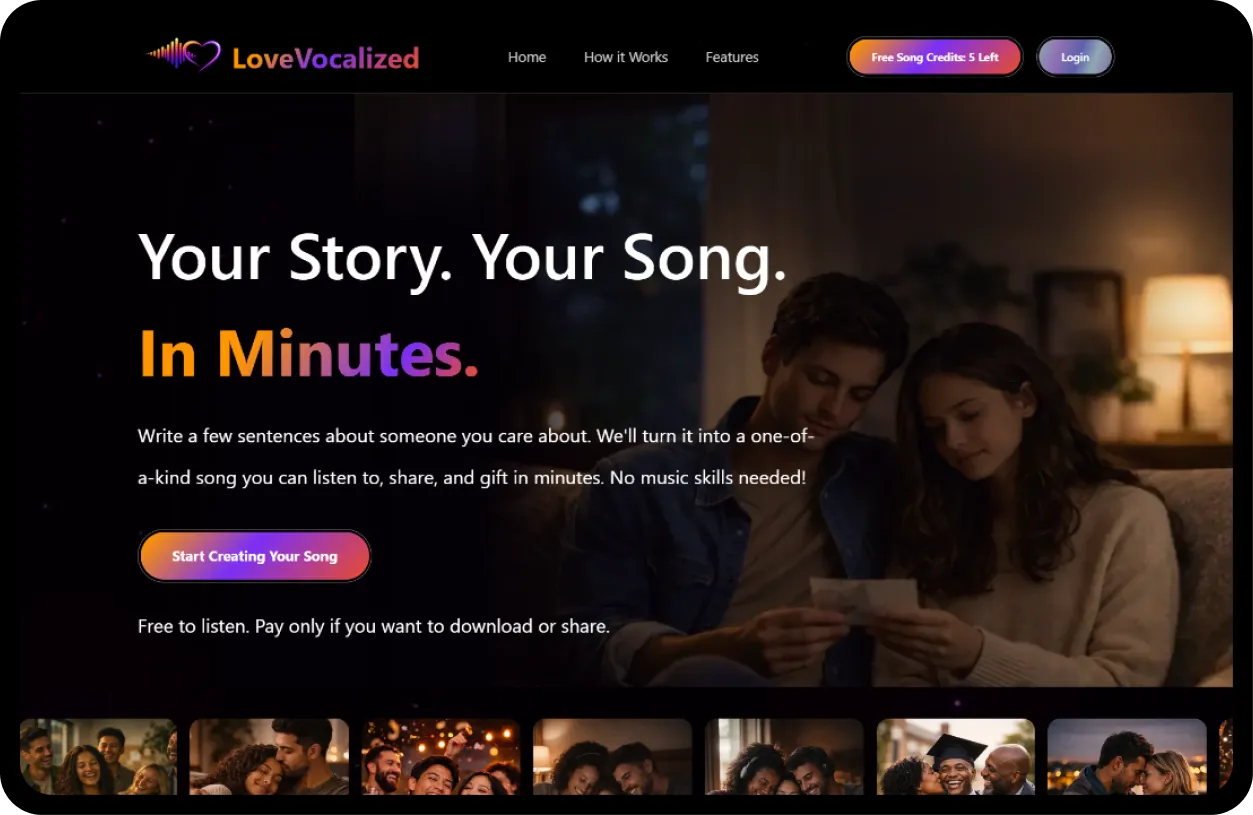
LoveVocalized
Canadian Software Agency partnered with LoveVocalized to create a personalized AI-powered music gifting platform that transforms emotions, stories, and memories into custom songs for birthdays, anniversaries, weddings, and other meaningful occasions.
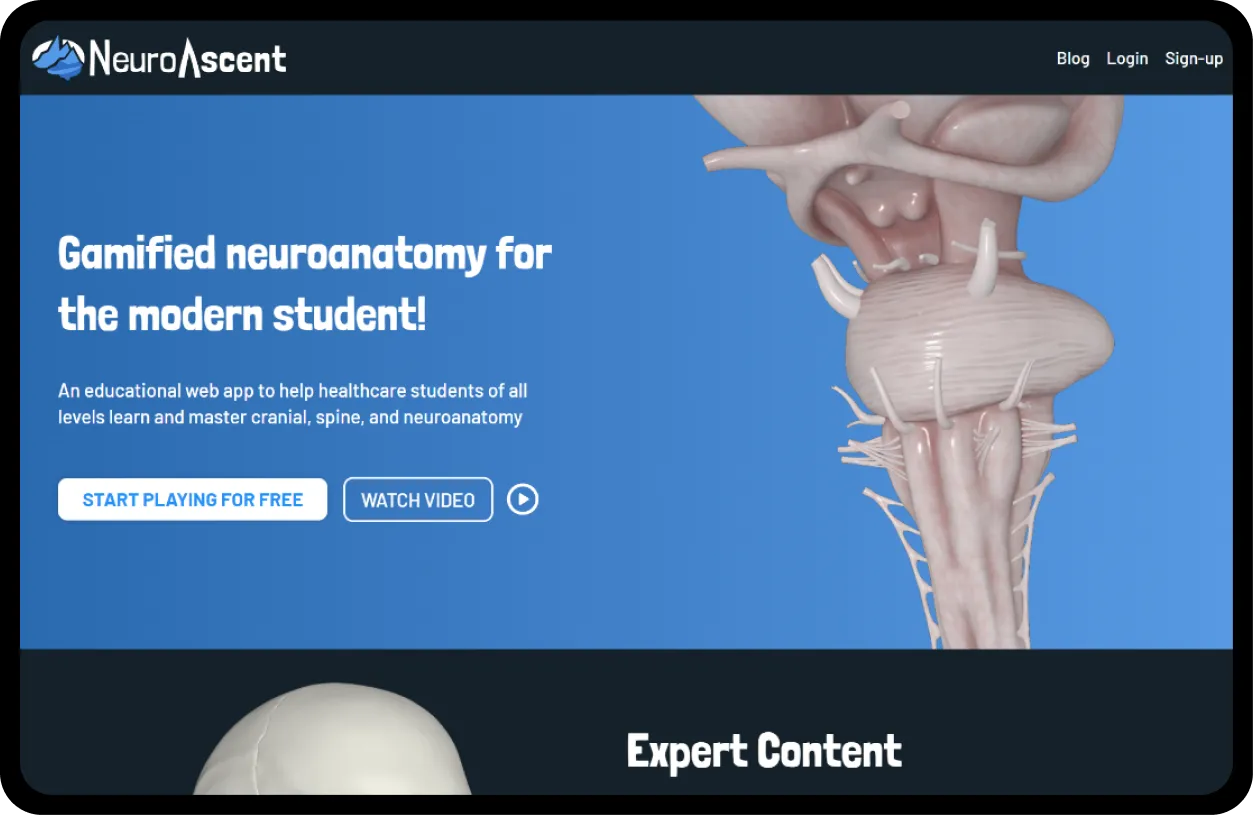
NeuroAscent
Canadian Software Agency partnered with NeuroAscent to expand and evolve a medical anatomy learning platform designed specifically for healthcare students. The objective was to transform an already functional anatomy study tool into a fully-featured gamified educational ecosystem that improves knowledge retention, increases student engagement, and delivers interactive learning experiences across cranial, spinal, and neuroanatomy curricula.
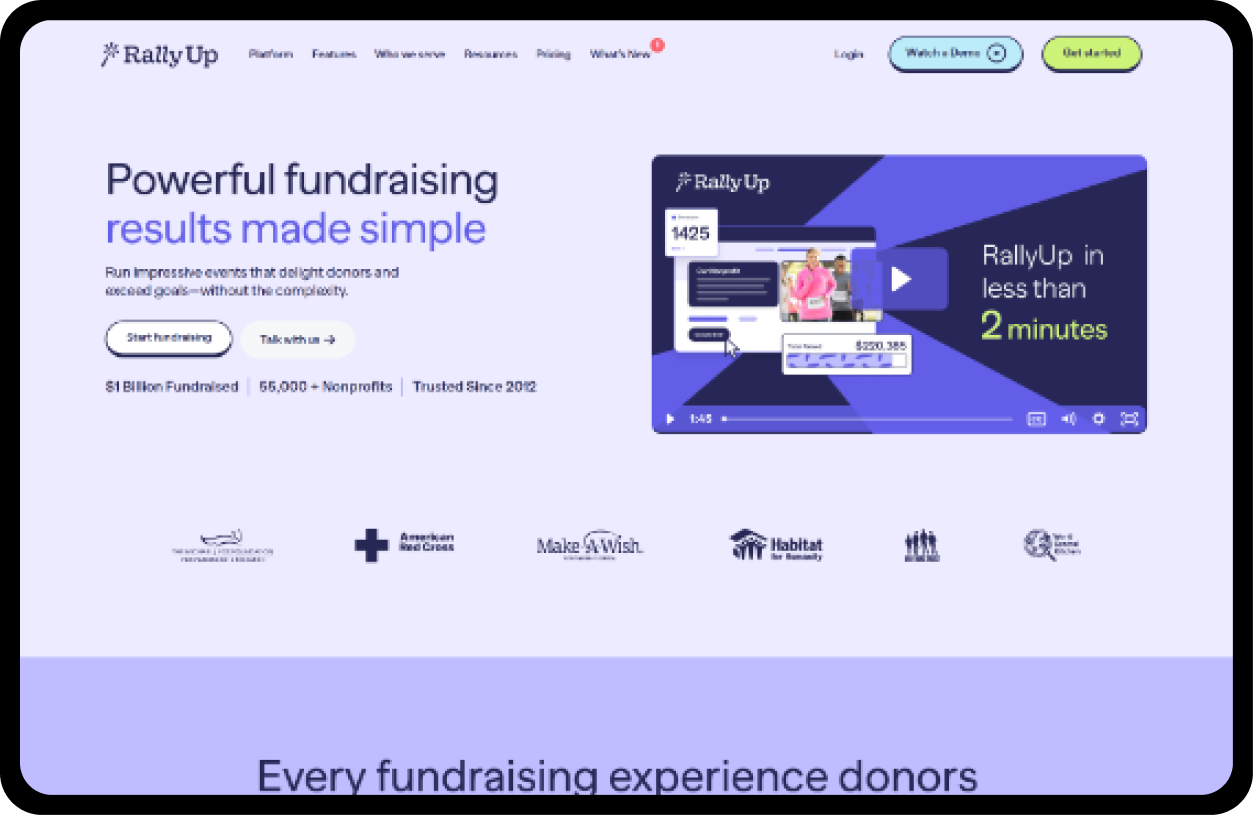
RallyUp
Canadian Software Agency partnered with RallyUp to support the evolution of a scalable fundraising SaaS ecosystem designed for nonprofits, charities, schools, and mission-driven organizations worldwide.
Frequently Asked Questions
How much does mobile app development cost in Canada?
The cost of mobile app development in Canada typically ranges from $10,000 to $150,000+, depending on the complexity, features, and platforms involved. A basic MVP app may cost between $10,000–$25,000, while more advanced applications with integrations, real-time features, or AI capabilities can exceed $100,000.
Factors affecting cost include UI/UX design, backend infrastructure, APIs, scalability requirements, and whether the app is built natively or cross-platform
How long does it take to build a mobile app?
The timeline for mobile app development usually ranges from 8 weeks to 6 months. A simple MVP can be completed in 6–10 weeks, while complex applications with advanced features, integrations, or AI components may take 4–6 months or longer.
Proper planning, clear requirements, and an experienced development team significantly reduce timelines.
What is the difference between native and cross-platform app development?
Native apps are built specifically for iOS (Swift) or Android (Kotlin), offering maximum performance and full access to device features. Cross-platform apps (React Native, Flutter) allow faster development and lower costs by using a shared codebase.
The choice depends on your budget, performance needs, and time-to-market requirements.
What industries benefit the most from AI development?
AI development is widely used across industries including:
- Healthcare (diagnostics, patient management)
- Fintech (fraud detection, analytics)
- E-commerce (recommendation engines)
- Logistics (route optimization)
- Education (adaptive learning)
Businesses that rely on data, automation, or personalization benefit the most from AI integration.
What is an AI agent and how does it work?
An AI agent is a system that can perform tasks autonomously using artificial intelligence. It can analyze data, make decisions, and execute actions without constant human input.
Examples include chatbots, workflow automation tools, and AI assistants integrated into business systems.
What is RAG (Retrieval-Augmented Generation) in AI?
RAG (Retrieval-Augmented Generation) is an AI approach that combines large language models with real-time data retrieval. It allows AI systems to generate more accurate and context-aware responses using external knowledge sources.
It is commonly used in chatbots, enterprise search systems, and AI assistants.
Do you build SaaS platforms?
Yes, we specialize in SaaS (Software as a Service) development, building scalable cloud-based platforms for startups and enterprises. Our SaaS solutions include subscription systems, dashboards, user management, and integrations.
What technologies do you use for development?
We use modern technologies including:
- React, Next.js (frontend)
- Nodejs, Python (backend)
- MongoDB, PostgreSQL (databases)
- AWS, Azure (cloud)
- React Native, Flutter (mobile)
Do you offer post-launch support and maintenance?
Yes, we provide ongoing support, maintenance, and scaling services. This includes bug fixes, performance optimization, feature updates, and infrastructure management.
Can you scale an existing application?
Yes, we specialize in scaling existing applications by improving performance, optimizing architecture, and adding new features to support growth.
What is the cost of custom software development in Canada?
Custom software development typically ranges from $20,000 to $200,000+, depending on the complexity, integrations, and scalability requirements.
Do you work with startups or only enterprises?
We work with both startups and enterprises. For startups, we focus on MVP development and rapid deployment. For enterprises, we build scalable, secure, and integrated systems.
What is the best tech stack for mobile app development?
The best tech stack depends on your goals. Native development (Swift/Kotlin) offers performance, while React Native and Flutter offer faster development and cost efficiency.
Do you provide UI/UX design services?
Yes, we provide full UI/UX design services including wireframes, prototypes, and user experience optimization.
What is included in your AI development services?
Our AI services include AI agents, LLM integration, RAG systems, chatbots, predictive analytics, and automation solutions.
How do you ensure security in software development?
We follow best practices including encryption, secure authentication, compliance standards, and regular security audits.
Do you develop enterprise software?
Yes, we build enterprise-grade applications including CRM, ERP, dashboards, and workflow automation systems.
What is your development process?
Our process includes discovery, design, development, testing, deployment, and ongoing support.
Can you integrate third-party APIs?
Yes, we integrate APIs including payment gateways, CRMs, AI services, and more.
What is AI automation?
AI automation uses artificial intelligence to automate repetitive tasks, improve workflows, and reduce manual effort.
Do you build e-commerce platforms?
Yes, we build scalable e-commerce platforms with payment integrations, inventory systems, and AI-driven personalization.
What makes your company different from competitors?
We combine AI expertise, mobile app development, and custom software capabilities under one roof, allowing us to deliver complete digital solutions.
Do you provide cloud deployment services?
Yes, we deploy applications on AWS, Azure, and other cloud platforms for scalability and reliability.
Can you modernize legacy systems?
Yes, we help businesses modernize outdated systems by upgrading technology and improving performance.
How do I get started with your development services?
You can contact us through our website to schedule a consultation where we discuss your project requirements and provide a tailored solution.


Ready to work together?
Let's get in touch