Optimizing Ayasa: Enhancing Performance and Stability for Steam Deployment
Canadian Software Agency partnered with an Armenian game studio to optimize and stabilize Ayasa, an existing Unreal Engine game being prepared for Steam distribution. The project focused on improving runtime performance, reducing asset inefficiencies, and standardizing workflows to ensure a smooth and reliable deployment experience.
Industry
Game Development / Unreal Engine / PC Gaming
Platform
Steam – Unreal
Launch
2025
About the Ayasa
The original build was functionally complete but faced performance instability, inconsistent asset handling, and memory optimization issues that could negatively impact gameplay quality and Steam readiness.
Through targeted Unreal Engine optimization, asset restructuring, and production workflow improvements, Canadian Software Agency helped transform the build into a stable, high-performance Steam-ready product while preserving the original gameplay experience and creative direction.
Timeline
November 2025 – December 2025
Total Development Effort
Performance optimization and Unreal Engine
Team Size
3+ specialists
Key Deliverables
Steam Build Optimization
Unreal Engine Performance
Workflow Structuring
The Challenge
The existing Unreal Engine Steam build had reached a stage where gameplay systems were complete, but the project lacked the performance optimization and structural consistency required for a polished public release.
Key challenges included:
- Large and inefficient asset sizes are affecting runtime performance
- Inconsistent asset usage and management workflows
- Lack of standardized planning structures for content organization
- Gameplay instability and frame performance fluctuations
- Memory optimization limitations across systems
- Need for Steam deployment readiness and build stability
The project required extensive optimization work without altering the original gameplay mechanics or visual identity of the game.
The Solution
Canadian Software Agency collaborated closely with the client’s development team to stabilize and optimize the Unreal Engine build while maintaining the integrity of the original game experience.
The engagement focused on identifying performance bottlenecks, restructuring inefficient assets, improving memory handling, and introducing standardized workflows for long-term maintainability.
The solution included:
- Unreal Engine performance optimization across gameplay systems
- Asset size reduction and memory usage refinement
- Standardized asset planning and management structures
- Workflow restructuring for development consistency
- Steam deployment optimization and build stabilization
- Runtime performance enhancements for smoother gameplay execution
Core Platform Features
Ayasa includes a comprehensive set of optimization and stability improvements designed to enhance Unreal Engine performance, streamline asset management, and ensure reliable Steam deployment.
Unreal Engine Performance Optimization
Core gameplay systems were analyzed and optimized within Unreal Engine to improve runtime efficiency and reduce performance bottlenecks. This resulted in smoother gameplay execution and improved frame stability during active sessions.
Asset Optimization & Memory Efficiency
Large and inefficient assets were restructured to improve loading performance and reduce memory consumption. Asset handling was refined without compromising gameplay quality or visual fidelity.
Standardized Asset Management Workflow
A structured asset planning and management workflow was introduced to ensure consistent content organization and improve long-term project maintainability.
Steam Build Stability Enhancement
The game build was specifically optimized for Steam deployment requirements, improving compatibility and ensuring stable gameplay performance across multiple hardware configurations.
Workflow Structuring for Development Consistency
Development workflows were standardized to eliminate inconsistencies in asset handling and improve overall production efficiency across the project lifecycle.
The Modern Stack Behind the Software.
A modern, production-ready stack was selected to support real-time interactions, cross-platform mobile delivery, and scalable deployment.
Core Technologies
Supporting Infrastructure & Services
See Ayasa in Action
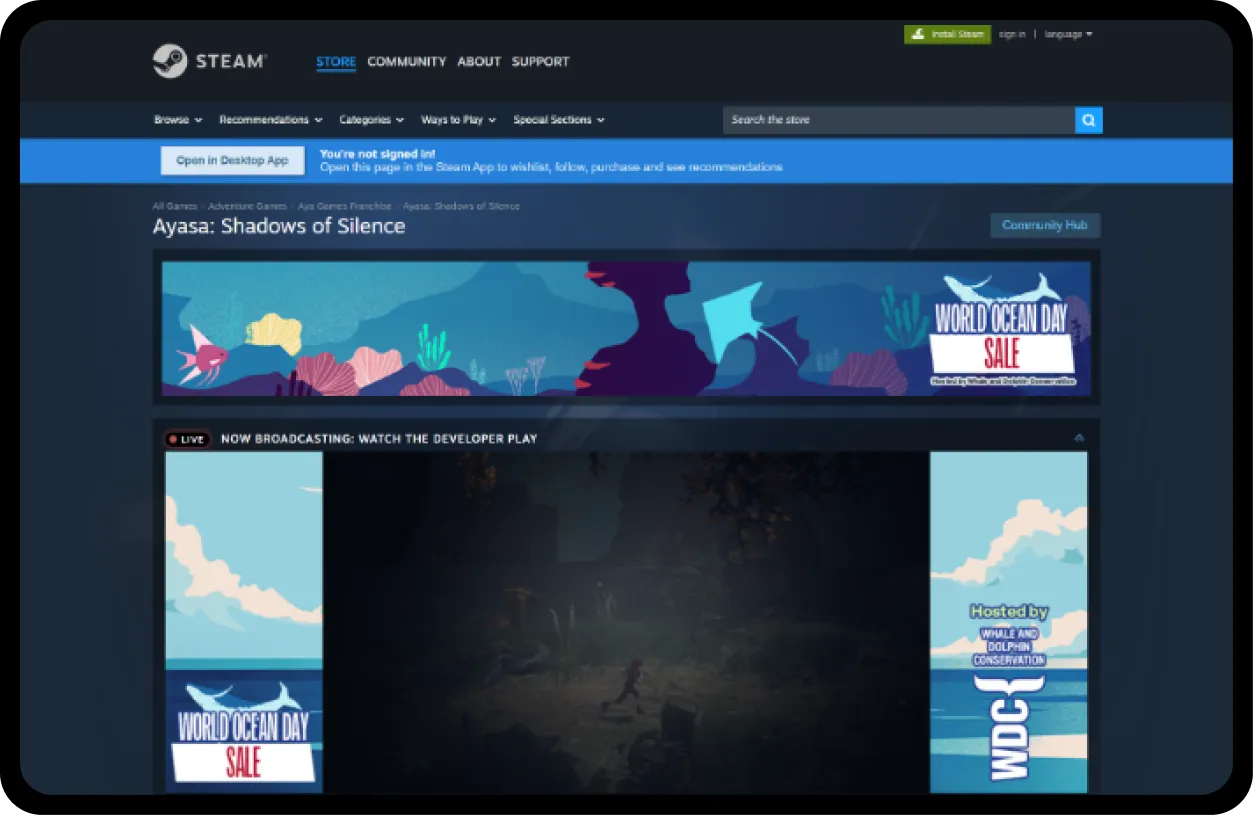
Ayasa is an Unreal Engine PC game optimized for stable Steam deployment and enhanced gameplay performance through the Canadian Software Agency’s performance engineering and workflow optimization support.
Project Timeline
The project required extensive optimization work without altering the original gameplay mechanics or visual identity of the game.
- Nov 10, 2025 – Nov 14, 2025
Project Audit & Performance Assessment
Canadian Software Agency initiated the project by conducting a full Unreal Engine build audit to identify performance bottlenecks, inefficient assets, and structural inconsistencies impacting gameplay stability.
- Nov 17, 2025 – Nov 26, 2025
Asset Optimization & Restructuring
The team optimized large asset files, improved memory usage, and restructured asset organization to enhance runtime efficiency and loading performance.
- Nov 26, 2025 – Nov 28, 2025
Unreal Engine Performance Tuning
Core gameplay systems were optimized to reduce runtime spikes, improve frame consistency, and enhance overall gameplay responsiveness.
- Dec 1, 2025 – Dec 5, 2025
Workflow Standardization Implementation
Structured workflows and standardized planning systems were introduced to improve development consistency and long-term maintainability.
- Dec 8, 2025 – Dec 12, 2025
Steam Build Stabilization & Final Optimization
Final optimization passes were completed to ensure Steam deployment readiness, stable gameplay execution, and compatibility across supported PC hardware configurations.
- Results
Successfully Optimized for Steam Deployment
Ayasa was successfully stabilized and optimized for Steam release, resulting in a more reliable Unreal Engine build with improved runtime efficiency, better asset management, and enhanced gameplay stability.
Key Outcomes
The engagement helped transform the existing build into a production-ready Steam experience while establishing scalable workflows for future development.
Related Case Studies
2488 – Number Merging Game Enhancement
VR Game Floating Cubes
DDSA