VR Floating Cubes Game: Physics-Driven Interaction System
Canadian Software Agency partnered with a VR experience enthusiast to develop an experimental virtual reality gameplay system centered around unrestricted cube interaction and manipulation. The objective was to create a highly interactive VR experience where players could freely connect, disconnect, and reorganize floating cubes using intuitive magnetic-style mechanics.
Industry
Virtual Reality / Interactive Gaming
Platform
Meta Quest
Launch
Testing in Progress
About the VR Floating Cubes Game
The project focused heavily on real-time physics simulation, group interaction behavior, and performance optimization to ensure stable and immersive gameplay within VR environments. Canadian Software Agency designed and implemented a custom interaction framework capable of handling dynamic cube formations, smooth snapping systems, and responsive gameplay interactions without compromising VR stability or frame performance.
The result was a responsive and technically advanced VR interaction experience that combined freeform creativity with stable real-time simulation systems.
Timeline
Feb 2025 – Ongoing
Total Development Effort
VR gameplay system development
Team Size
4+ specialists
Key Deliverables
UI/UX Design
CMS Development
Landing Pages
The Challenge
The project required building a highly responsive VR interaction system capable of supporting dynamic cube manipulation, real-time magnetic snapping behavior, and continuously changing group formations.
Key technical and gameplay challenges included:
Creating smooth cube-to-cube interaction systems
Simulating realistic magnetic snapping and detachment behavior
Managing dynamically changing cube group structures
Maintaining stable updates across connected cube formations
Reducing interaction glitches during rapid manipulation
Ensuring optimized VR frame performance during complex interactions
Delivering intuitive and immersive gameplay mechanics without instability
Canadian Software Agency needed to balance advanced technical systems with intuitive VR interaction design to create a seamless and engaging player experience.
The Solution
Canadian Software Agency developed a custom VR interaction framework combining physics simulation systems, magnetic snapping logic, and optimized group management algorithms to support real-time cube manipulation.
The solution enabled cubes to dynamically connect, disconnect, and reorganize while maintaining stable interaction behavior and smooth VR performance. Advanced tagging systems and optimized update pipelines helped reduce instability and ensured reliable interaction processing during complex gameplay scenarios.
The solution included:
Physics-based cube interaction systems
Magnetic snapping and detachment simulation
Dynamic group interaction algorithms
Custom tagging and grouping frameworks
VR optimization and stability testing
Interaction refinement and debugging workflows
Core Platform Features
The VR Floating Cubes Game includes a comprehensive set of physics-driven interaction systems designed to deliver intuitive freeform manipulation, stable group behavior, and optimized VR responsiveness.
Physics-Based Cube Interaction System
A real-time physics interaction system was implemented to allow cubes to move, collide, attach, and detach naturally within the VR environment. This enabled smooth and responsive gameplay interactions while maintaining stable simulation behavior.
Magnetic Snapping & Detachment Mechanics
Custom magnetic simulation logic enabled cubes to snap together and separate intuitively, creating a natural magnetic interaction feel while preserving precise player control during manipulation.
Dynamic Group Interaction Algorithms
Advanced grouping algorithms were developed to manage cube formations as they dynamically changed shape during gameplay. This allowed connected structures to update consistently and reliably in real time.
Custom Tagging & Group Management System
A dedicated tagging framework was implemented to organize cube relationships and interaction states efficiently. This improved update accuracy and reduced instability during large or complex formations.
Optimized VR Performance Framework
Rendering pipelines and interaction systems were optimized to maintain stable VR frame rates and smooth responsiveness during active gameplay, ensuring immersive and uninterrupted experiences.
Interaction Testing & Play Session Refinement
The gameplay systems underwent iterative testing through internal VR play sessions and collaborative play jams to improve interaction quality, user comfort, and overall gameplay usability.
The Modern Stack Behind the Software.
A modern, production-ready stack was selected to support real-time interactions, cross-platform mobile delivery, and scalable deployment.
Core Technologies
Virtual Reality Frameworks
Physics Simulation Systems
Custom Interaction Algorithms
Real-Time Rendering Pipelines
Dynamic Group Processing Systems
Supporting Infrastructure & Services
Group Management Systems
Tagging Frameworks
VR Optimization Workflows
Interaction Testing Tools
Debugging & Stability Monitoring Systems
Testing of VR Floating Cubes in Progress
The VR Floating Cubes Game is currently undergoing active testing and refinement as the Canadian Software Agency continues optimizing gameplay systems, interaction mechanics, and VR performance workflows.
The VR Floating Cubes Game underwent extensive testing and refinement through internal play sessions and collaborative play jams focused on improving interaction quality, responsiveness, and overall VR usability.
February 2025 – March 2025
Project Discovery & Gameplay Planning
Canadian Software Agency collaborated with the client to define the gameplay vision, interaction goals, and implementation strategy for dynamic cube manipulation systems.
March 2025 – April 2025
Physics Interaction System Development
The development team implemented real-time cube physics systems capable of supporting smooth movement, collisions, attachment, and detachment interactions inside VR environments.
April 2025 – May 2025
Magnetic Simulation & Group Algorithm Implementation
Custom magnetic snapping systems and dynamic group management algorithms were developed to support stable cube formations and seamless interaction updates.
June 2025 – July 2025
VR Optimization & Stability Testing
Performance optimization and extensive testing workflows were conducted to improve frame stability, interaction responsiveness, and overall VR gameplay quality.
August 2025 – October 2025
Refinement & Delivery
The final phase focused on interaction refinements, bug fixing, system validation, and improving gameplay polish to ensure a stable and immersive VR experience.
Testing
Gameplay systems were evaluated under real interaction scenarios to identify friction points, optimize cube manipulation behavior, and improve player comfort during extended VR sessions. Feedback collected during testing helped refine interaction responsiveness, improve interface clarity, and enhance VR navigation workflows.
The testing process also focused heavily on validating group interaction stability, reducing unexpected interaction behavior, and ensuring smooth performance across increasingly complex cube formations. These iterative refinements helped create a more polished and user-friendly VR gameplay experience while maintaining stable technical performance throughout ongoing development.
Key Outcomes
The project demonstrated strong technical performance while maintaining intuitive player interaction and responsive gameplay behavior across increasingly complex cube formations.
Ranked in the Meta Quest Developer Contest
0
stable magnetic cube interaction functionality
0%
efficient cube group management through custom tagging systems
0%
reduction in interaction glitches across complex formations
0%
faster group update processing with optimized algorithms
0%
Related Case Studies
Cloud 9
Cloud9 is a platform designed for music playlist management and collaboration. It allows users to create, organize, and share playlists across various music streaming services. Cloud9 aims to simplify playlist curation and facilitate collaborative listening experiences. We collaborated with them to develop the MERN Stack-based website that provides tools for managing large music libraries.
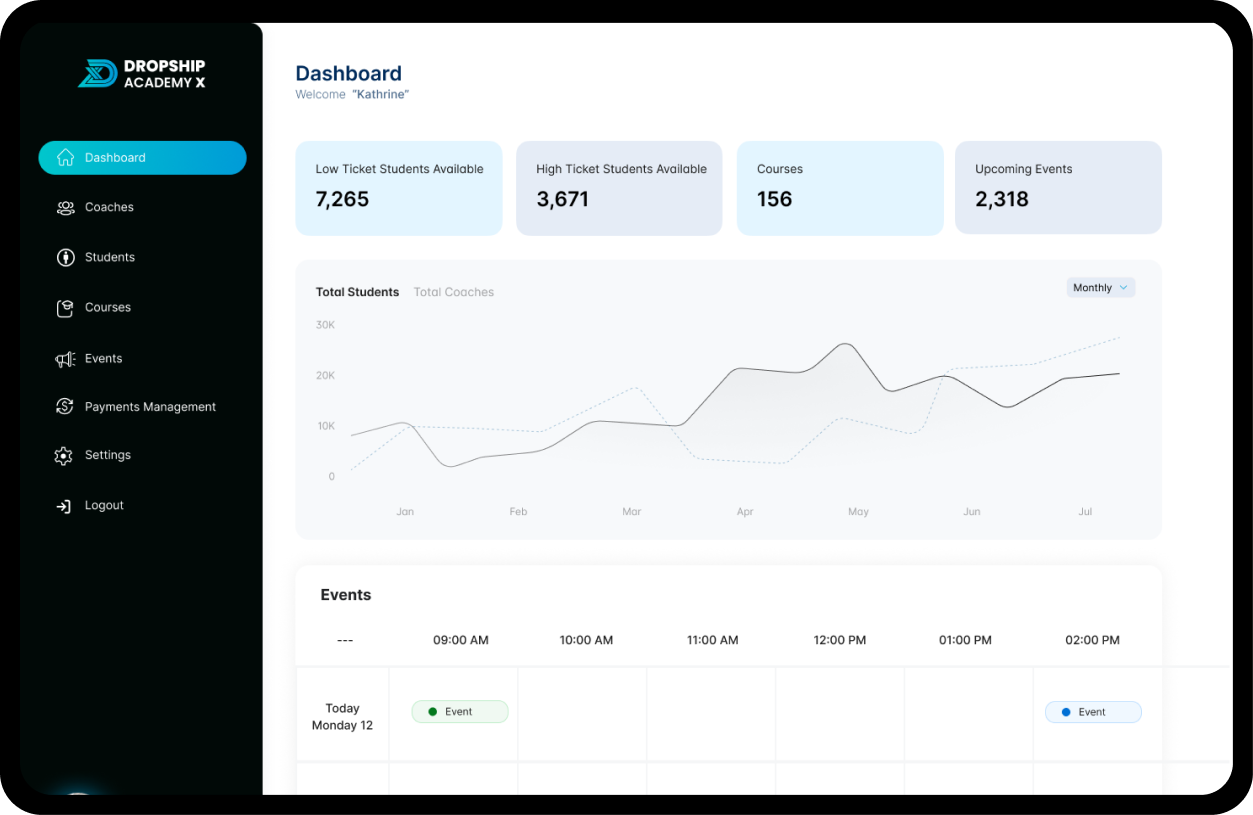
Dropship Academy is an advanced online learning platform designed to streamline e-commerce education. Built with the MERN Stack, it offers intuitive dashboards for admins, coaches, and students, including course and management, event scheduling, and real-time performance tracking. With secure role-based access and automated payment logs, it empowers both coaches and students to thrive in a dynamic, digital environment.
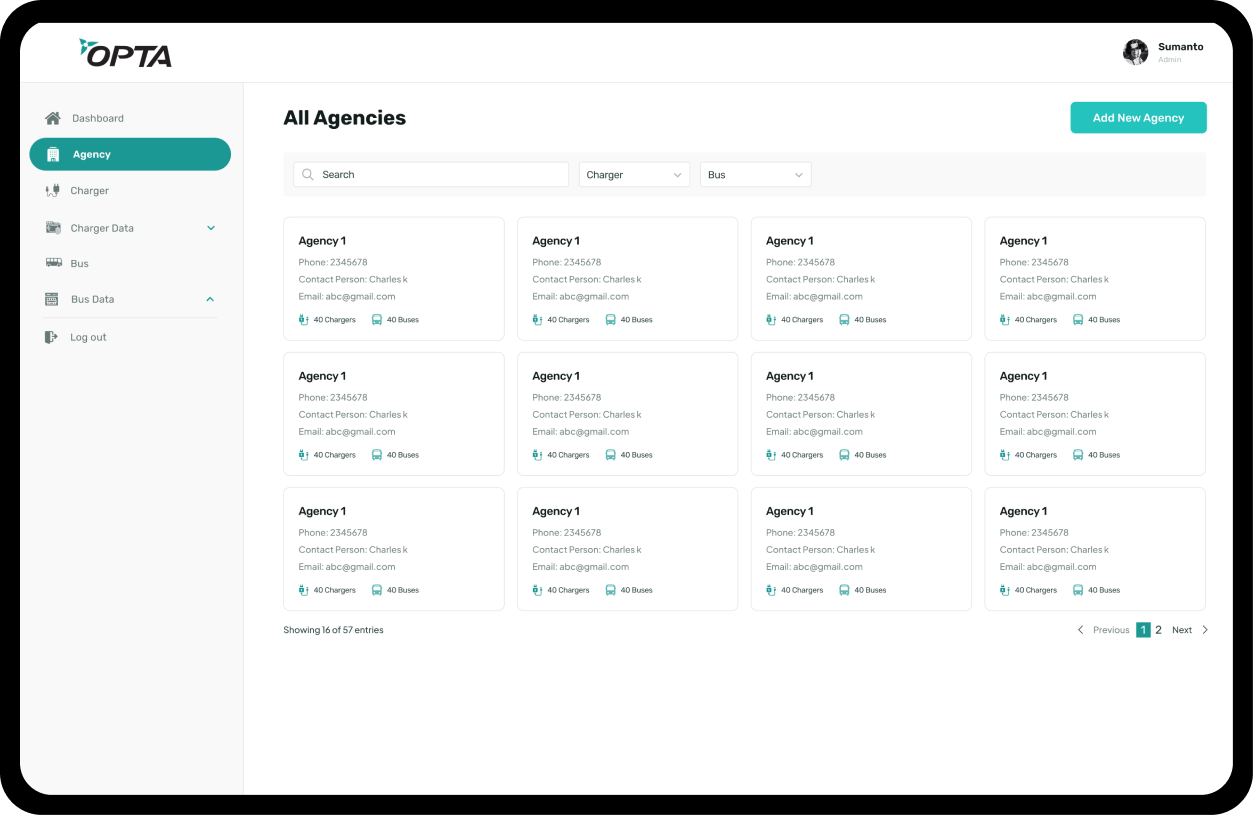
Built with cybersecurity, scalability, and data privacy at its core, OPTA provides participating transit agencies with a centralized dashboard to monitor fleet performance, energy efficiency, infrastructure reliability, and operational KPIs in real time.
Custom Name Domain is a modern web platform designed to simplify how individuals and professionals establish a credible online identity. The platform allows users to easily secure personalized domain names and create custom email addresses—helping them move beyond generic email providers and build a stronger personal or professional brand. With an intuitive domain search, effortless email setup (including 5GB storage per inbox), and a centralized dashboard, users can manage everything from one place. The pricing is transparent, featuring a $99 startup fee with monthly or annual subscription options, and includes a free first domain to help users get started quickly.