

NeuroAscent: Gamified Medical Anatomy Learning Platform
Canadian Software Agency partnered with NeuroAscent to expand and evolve a medical anatomy learning platform designed specifically for healthcare students. The objective was to transform an already functional anatomy study tool into a fully-featured gamified educational ecosystem that improves knowledge retention, increases student engagement, and delivers interactive learning experiences across cranial, spinal, and neuroanatomy curricula.
Industry
EdTech / Medical Education
Platform
Web Application
Launch
January 24, 2023
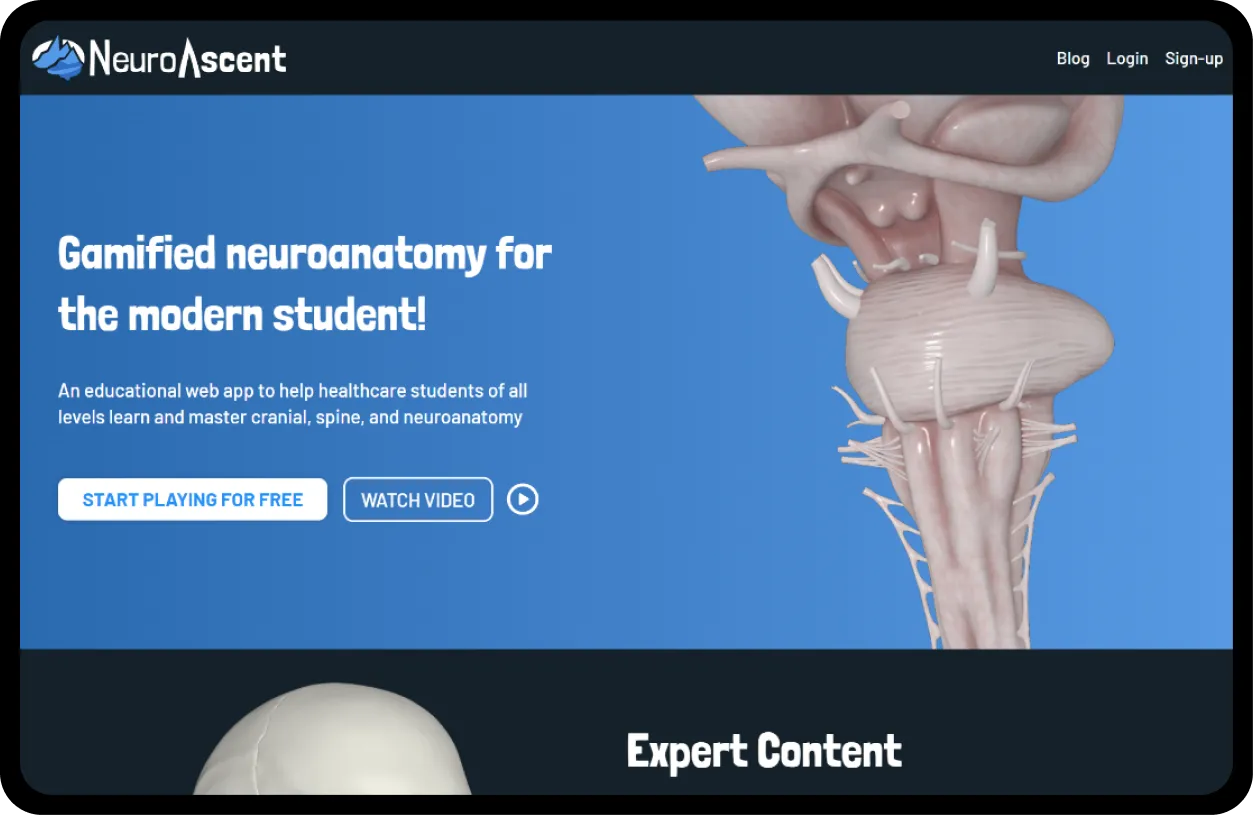
About the NeuroAscent
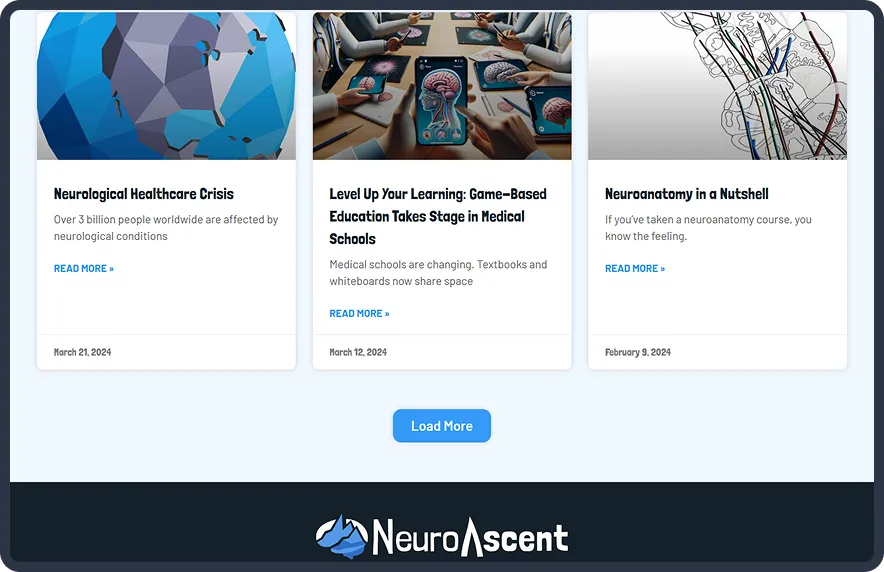
NeuroAscent combines spaced-repetition learning algorithms, competitive gameplay mechanics, interactive 3D anatomical visualisations, leaderboards, achievements, and expert-reviewed educational content into a single Progressive Web App accessible across desktop and mobile devices.
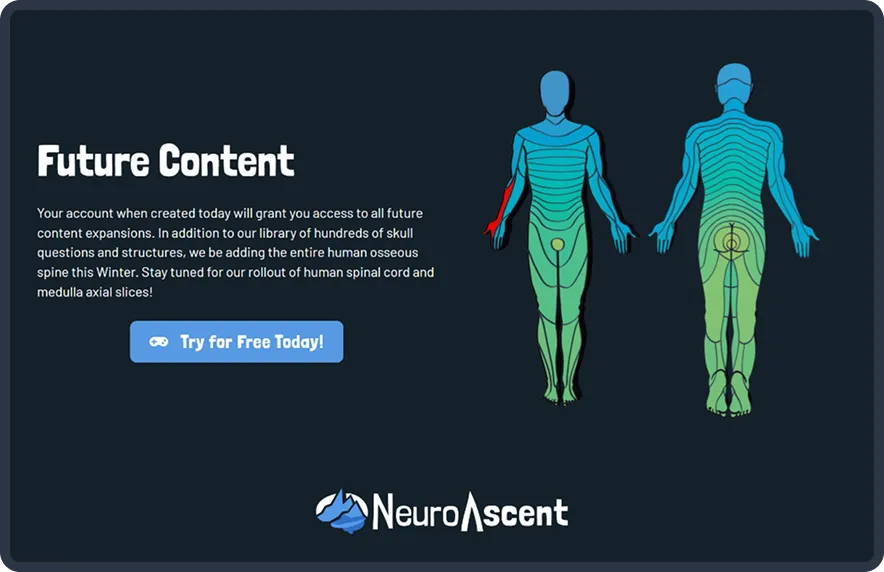
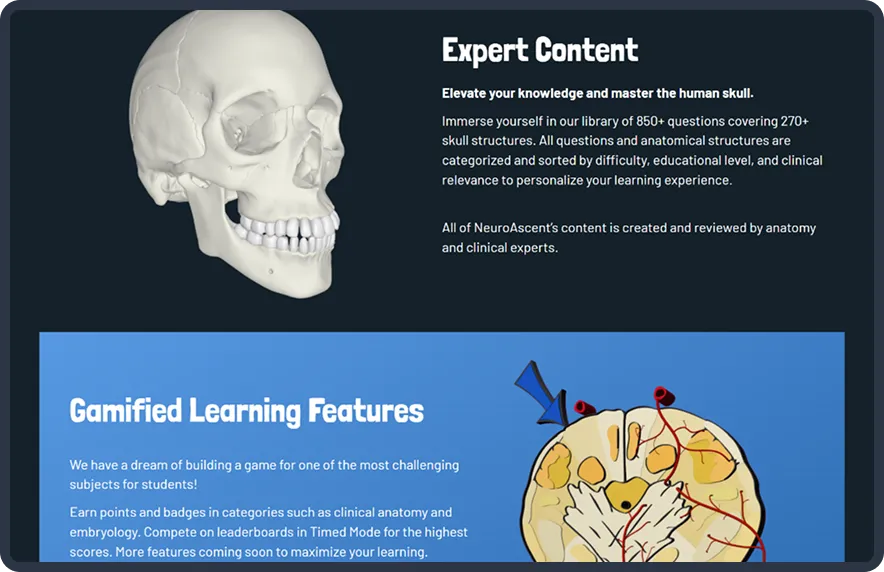
The platform now supports over 850 expert-reviewed questions covering more than 270 anatomical structures, with continuous expansion into spinal anatomy and neuroanatomy learning modules.
Timeline
Approximately 12+ months
Total Development Effort
Multi-phase full-stack development engagement
Team Size
5+ specialists
Key Deliverables
Gamified anatomy learning platform expansion
Flashcard-based spaced repetition learning system
Timed competition gameplay mode
The Challenge
Medical anatomy is one of the most demanding areas of healthcare education. Traditional learning methods such as textbooks, memorisation, and static flashcards often struggle to provide long-term retention or maintain student engagement.
The NeuroAscent platform required significant expansion to support:
- Intelligent spaced-repetition learning
- Gamified educational mechanics
- Competitive gameplay modes
- Real-time leaderboard systems
- Interactive 3D anatomical learning
- Cross-device accessibility
- Scalable educational content delivery
- User performance analytics
- Clinical review workflows
- Educational reinforcement systems
- Content reporting and moderation
The inherited codebase already included a working learning loop and foundational architecture, but additional gameplay systems, social engagement features, and scalable learning infrastructure were required to transform the product into a complete educational platform.
The Solution
Canadian Software Agency inherited and expanded the existing React.js frontend, Django backend, MySQL database infrastructure, Redis caching layer, and Docker-based deployment architecture.
The platform was enhanced through carefully structured development sprints focused on:
- Building multiple gameplay modes
- Expanding gamification mechanics
- Improving educational reinforcement
- Enhancing scalability
- Optimising cross-device accessibility
- Integrating advanced analytics and performance tracking
The resulting architecture separates frontend presentation, backend business logic, asynchronous processing, and database management into modular services, enabling scalable feature expansion without disrupting the existing learning ecosystem.
The final product delivers an engaging and scientifically grounded anatomy learning experience accessible directly through modern web browsers and installable as a Progressive Web App on iOS and Android devices.
Core Platform Features
The objective was to transform an already functional anatomy study tool into a fully-featured gamified educational ecosystem that improves knowledge retention, increases student engagement, and delivers interactive learning experiences across cranial, spinal, and neuroanatomy curricula.
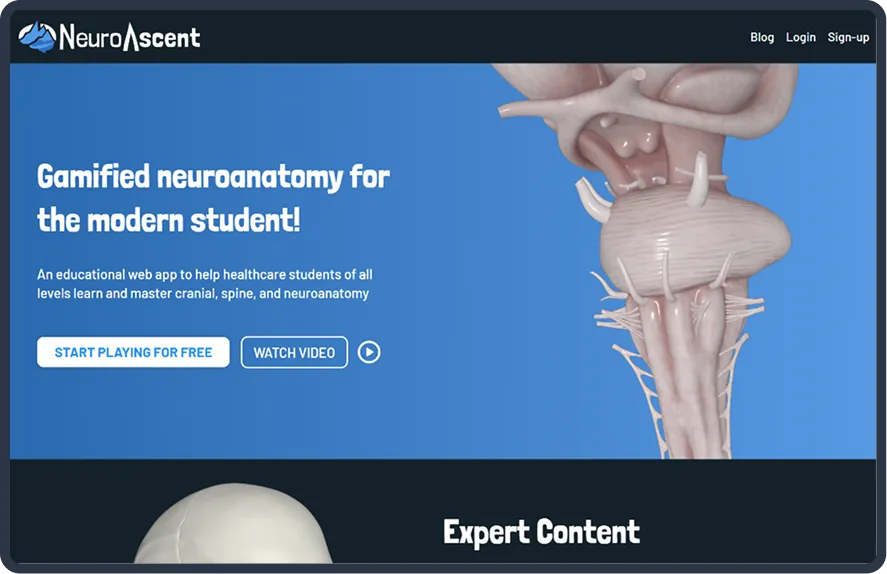
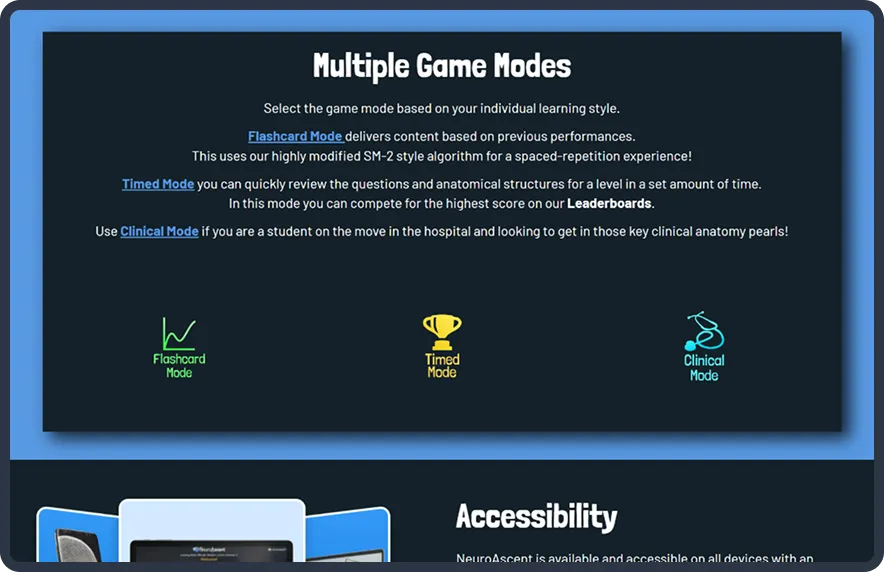
Flashcard Learning Mode
NeuroAscent’s Flashcard Mode is powered by a modified SM-2 spaced-repetition algorithm designed to improve long-term retention of anatomical knowledge.
Students:
- Select worlds and levels
- Interact with anatomy-based multiple-choice questions
- Receive adaptive question delivery based on performance
- Earn points based on response speed and accuracy
- Progress through increasingly advanced anatomy content
The learning engine dynamically reinforces weaker knowledge areas while reducing repetition of mastered content.
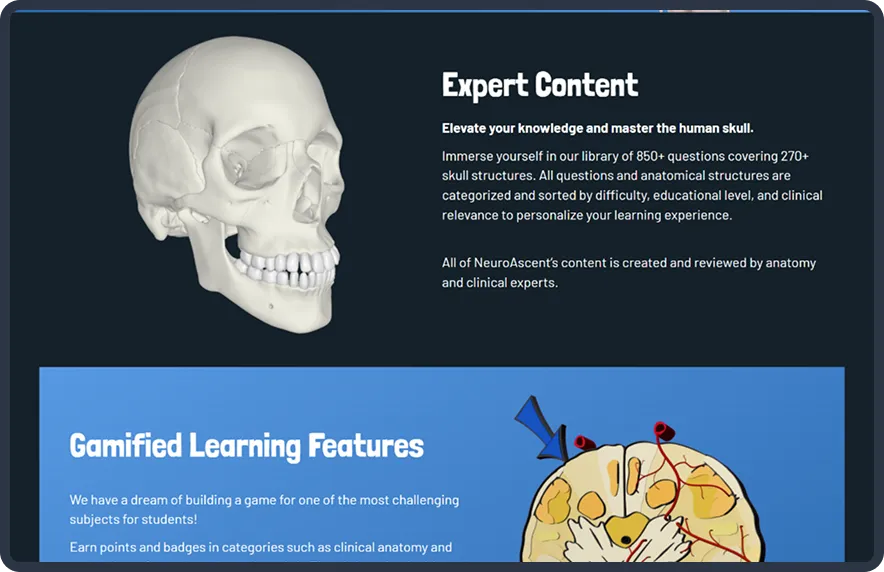
Timed Competition Mode
Timed Mode introduces a competitive gameplay experience where students compete for leaderboard rankings.
Features include:
- Time-based anatomy challenges
- Deterministic content delivery
- Competitive scoring system
- Global ranking support
- Institution and cluster-based leaderboards
- Balanced scoring algorithms for fair competition
Unlike Flashcard Mode, Timed Mode uses fixed-sequence question delivery to ensure equal challenge levels for all participants.
Clinical Review Mode
Clinical Mode was designed specifically for students in clinical placements who require rapid anatomy revision in fast-paced healthcare environments.
The mode provides:
- Quick-access review sessions
- Clinically relevant anatomy questions
- Mobile-optimised workflows
- Efficient revision experiences for hospital and clinical use
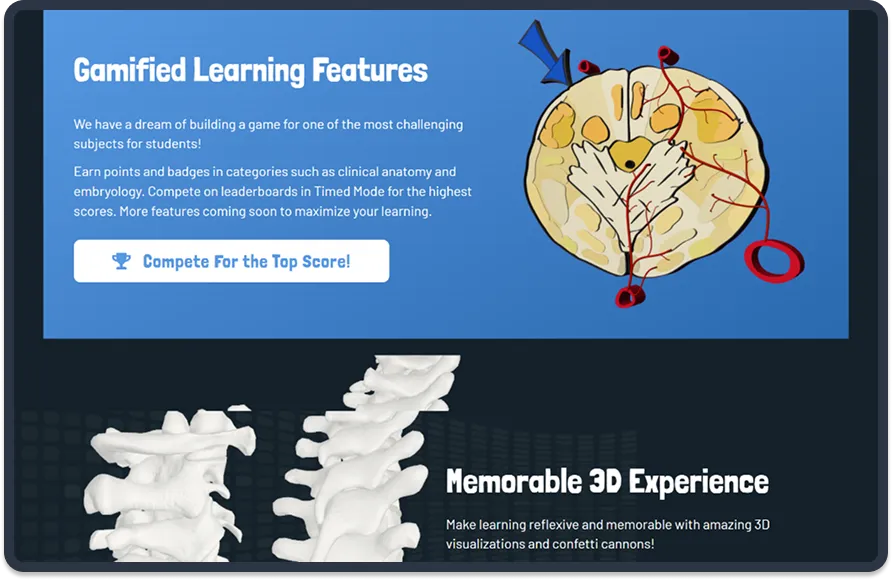
Interactive 3D Anatomical Visualisations
One of NeuroAscent’s most distinctive features is its WebGL-powered 3D anatomy experience built with Three.js.
Students can:
- Interact with detailed anatomical structures
- Study spatial relationships visually
- Explore cranial, spinal, and neuroanatomy models
- Learn through immersive browser-based rendering
The 3D environment is fully accessible through standard browsers without plugins or native applications.
Leaderboards & Gamification System
To improve long-term engagement, Canadian Software Agency expanded NeuroAscent’s competitive gamification systems.
The platform now includes:
- Global leaderboards
- Institution-specific rankings
- Session-based scoring
- Weekly activity tracking
- Badges and achievements
- Reward progression systems
- Competitive gameplay loops
These features encourage consistent study habits while creating a socially engaging educational environment.
Educational Tooltips & Reinforcement
At the completion of every question, students receive contextual educational facts and explanations related to the anatomical structure being studied.
This system:
- Reinforces learning immediately
- Increases educational value per interaction
- Encourages deeper conceptual understanding
- Integrates seamlessly into the gameplay experience
Statistics & Achievement Dashboard
Students gain detailed visibility into their learning performance through advanced statistics and achievement tracking.
The dashboard provides:
- Accuracy tracking
- Response-time analytics
- Category-specific performance breakdowns
- Difficulty-level analysis
- Achievement progression
- Weak-area identification
This allows students to personalise their revision strategies more effectively.
Content Error Reporting System
Canadian Software Agency implemented a built-in reporting system enabling students to flag inaccuracies directly during gameplay.
The reporting infrastructure:
- Captures gameplay context automatically
- Logs user feedback into dedicated database tables
- Provides administrators with actionable moderation data
- Streamlines educational content maintenance
Progressive Web App (PWA)
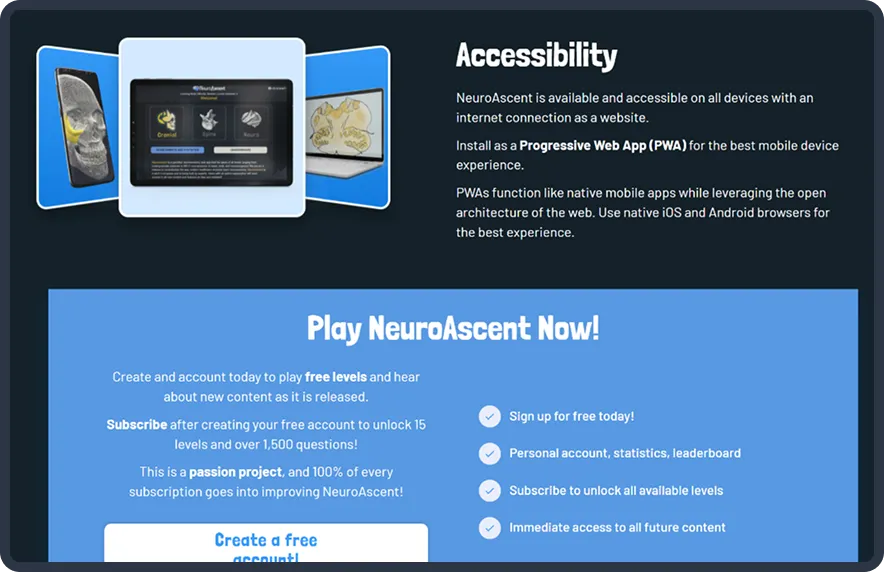
NeuroAscent was delivered as a Progressive Web App, enabling installation directly from the browser onto iOS and Android devices.
Benefits include:
- Cross-device accessibility
- Native-app-like experience
- Home screen installation
- Simplified maintenance through a unified codebase
- Improved accessibility without app store dependency
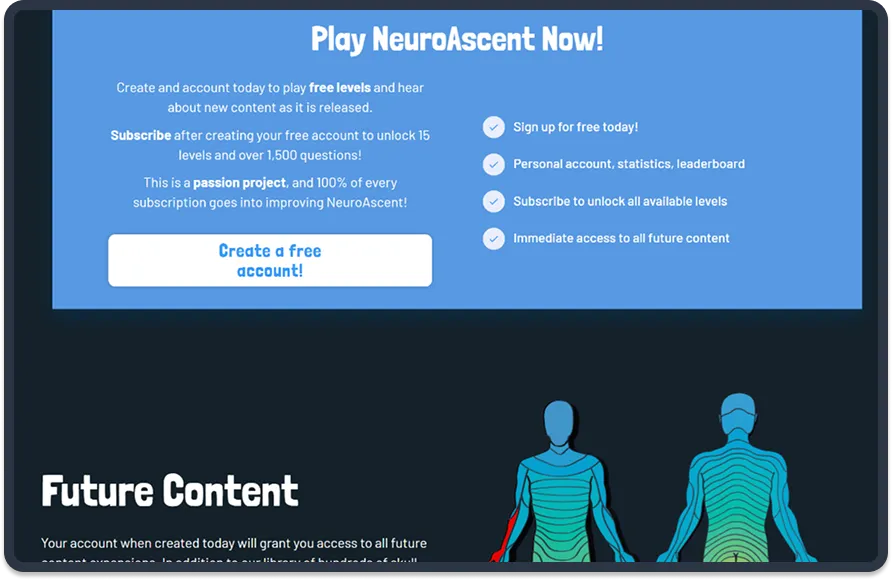
Subscription & Freemium System
The platform operates on a freemium model, allowing students to access introductory content for free while unlocking premium anatomy content through subscription access.
The subscription infrastructure supports:
- Free-tier onboarding
- Premium content access
- Future content expansion
- Sustainable platform growth
The Modern Stack Behind the Software.
A modern, production-ready stack was selected to support real-time interactions, cross-platform mobile delivery, and scalable deployment.
Core Technologies
React.js
Three.js
Progressive Web App (PWA)
Python 3.8
Django Framework
Celery
Redis
MySQL
Supporting Infrastructure & Services
Docker
Docker Compose
WebGL Rendering
REST APIs
Redis Caching Layer
Asynchronous Background Processing
See NeuroAscent in Action
NeuroAscent is now live and accessible globally through modern web browsers and Progressive Web App installation.
Project Timeline
Approximately 12+ months of phased feature development and platform expansion
- January 2023

Project Inheritance & Architecture Assessment
Canadian Software Agency inherited the existing NeuroAscent platform and conducted a complete assessment of the frontend architecture, backend services, gameplay systems, and learning algorithms.
Initial planning focused on expanding the platform beyond its original single-mode learning experience.
- Q1 2023
Core Gameplay Expansion
Development began on major gameplay and engagement systems, including:
- Timed Mode gameplay
- Leaderboard architecture
- Achievement systems
- Expanded educational workflows
- Enhanced statistics tracking
- Q2 2023
Interactive Learning & Gamification Features
The platform was expanded with:
- Educational tooltip systems
- Competitive ranking infrastructure
- User reporting systems
- Gamified progression mechanics
- Enhanced user engagement workflows
- Q3 2023
3D Learning & PWA Optimisation
Canadian Software Agency refined:
- Three.js anatomical rendering
- Cross-device compatibility
- Progressive Web App installation support
- Mobile responsiveness
- Performance optimisation
- Ongoing
Content Expansion & Platform Growth
The platform continues to evolve with:
- Additional anatomy content
- New question libraries
- Expanded neuroanatomy coverage
- Improved educational workflows
- Ongoing feature enhancements
- Results
Expanded Into a Comprehensive Medical Learning Ecosystem
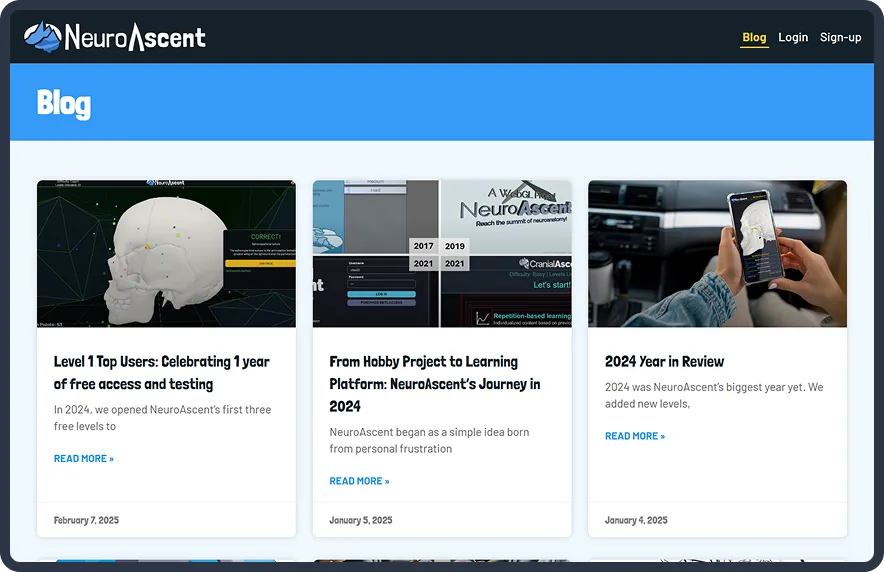
NeuroAscent successfully evolved from a single-mode anatomy revision tool into a scalable, multi-mode educational platform serving healthcare students globally.
The engagement delivered:
- Cross-device anatomy learning accessibility
- Interactive 3D educational experiences
- Competitive study environments
- Scalable educational infrastructure
- Gamified retention-focused learning systems
Key Outcomes
Initial planning focused on expanding the platform beyond its original single-mode learning experience.
Expert-reviewed anatomy questions
0
+
Anatomical structures covered
0
+
Freemium subscription infrastructure integrated
0
Scalable Docker-based architecture delivered
0
%
Cross-platform browser accessibility achieved
0
%
Related Case Studies
Espace Mémoire
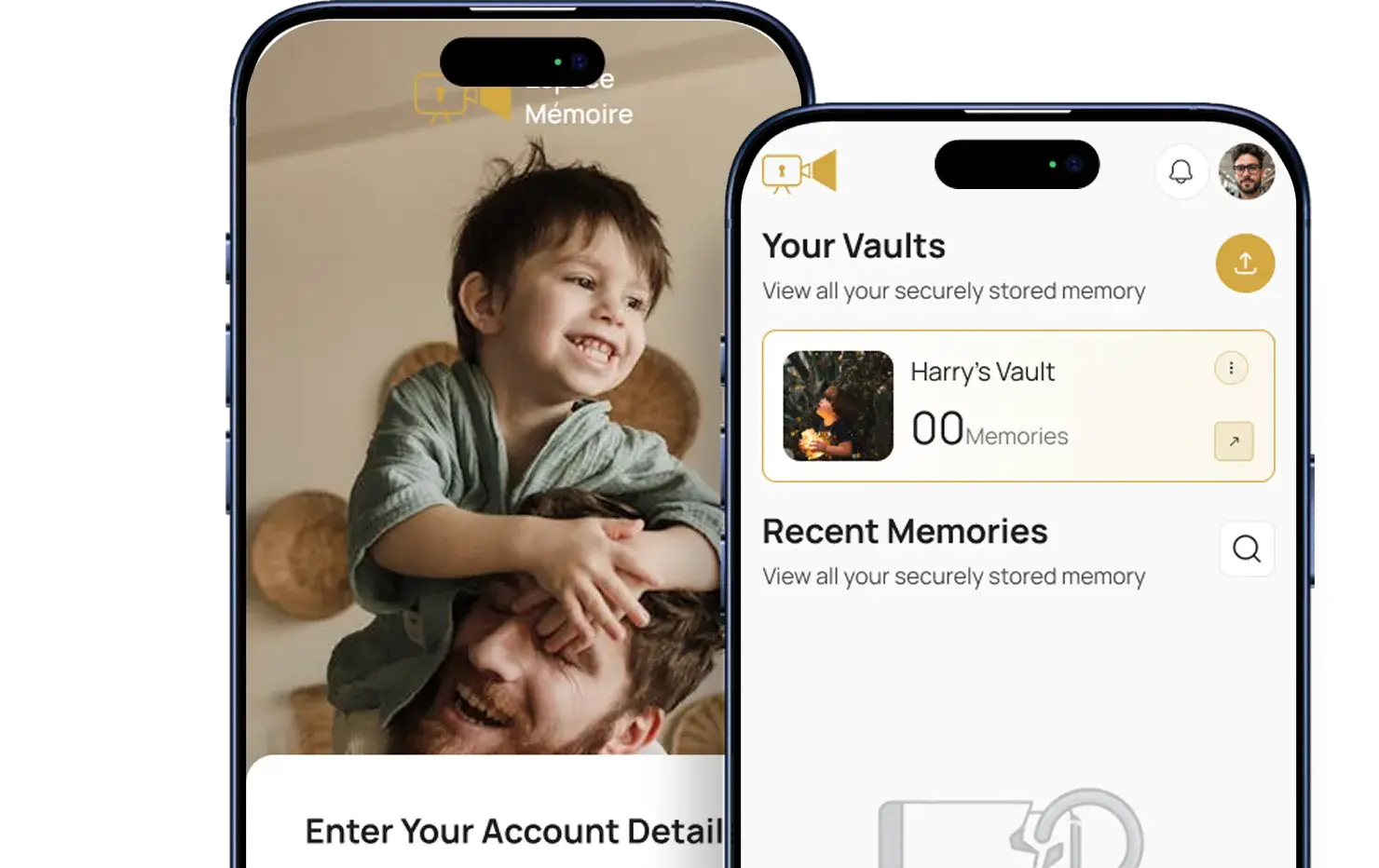
Canadian Software Agency partnered with Espace Mémoire to transform an incomplete product vision into a fully functional, emotionally intelligent memory preservation platform available across web and mobile devices.
LoveVocalized
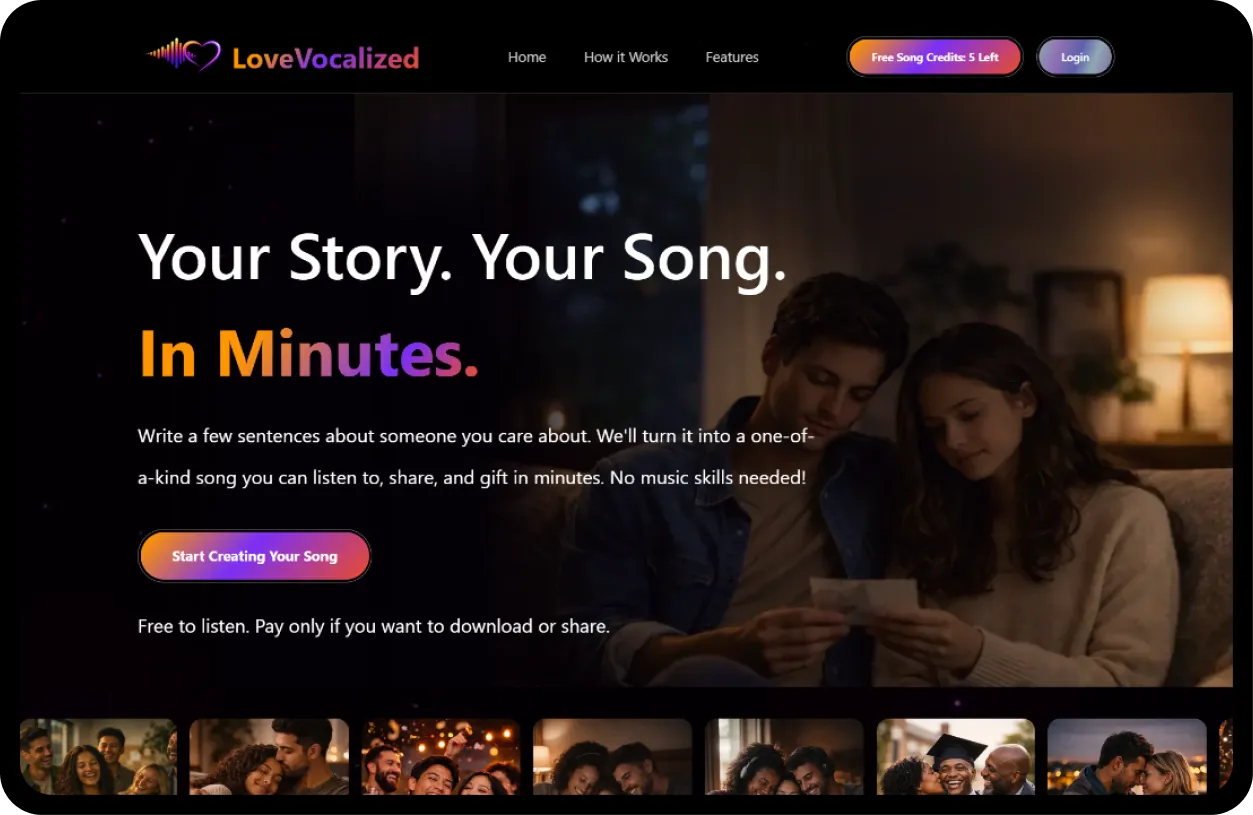
Canadian Software Agency partnered with LoveVocalized to create a personalized AI-powered music gifting platform that transforms emotions, stories, and memories into custom songs for birthdays, anniversaries, weddings, and other meaningful occasions.
NeuroAscent
Canadian Software Agency partnered with NeuroAscent to expand and evolve a medical anatomy learning platform designed specifically for healthcare students. The objective was to transform an already functional anatomy study tool into a fully-featured gamified educational ecosystem that improves knowledge retention, increases student engagement, and delivers interactive learning experiences across cranial, spinal, and neuroanatomy curricula.
RallyUp
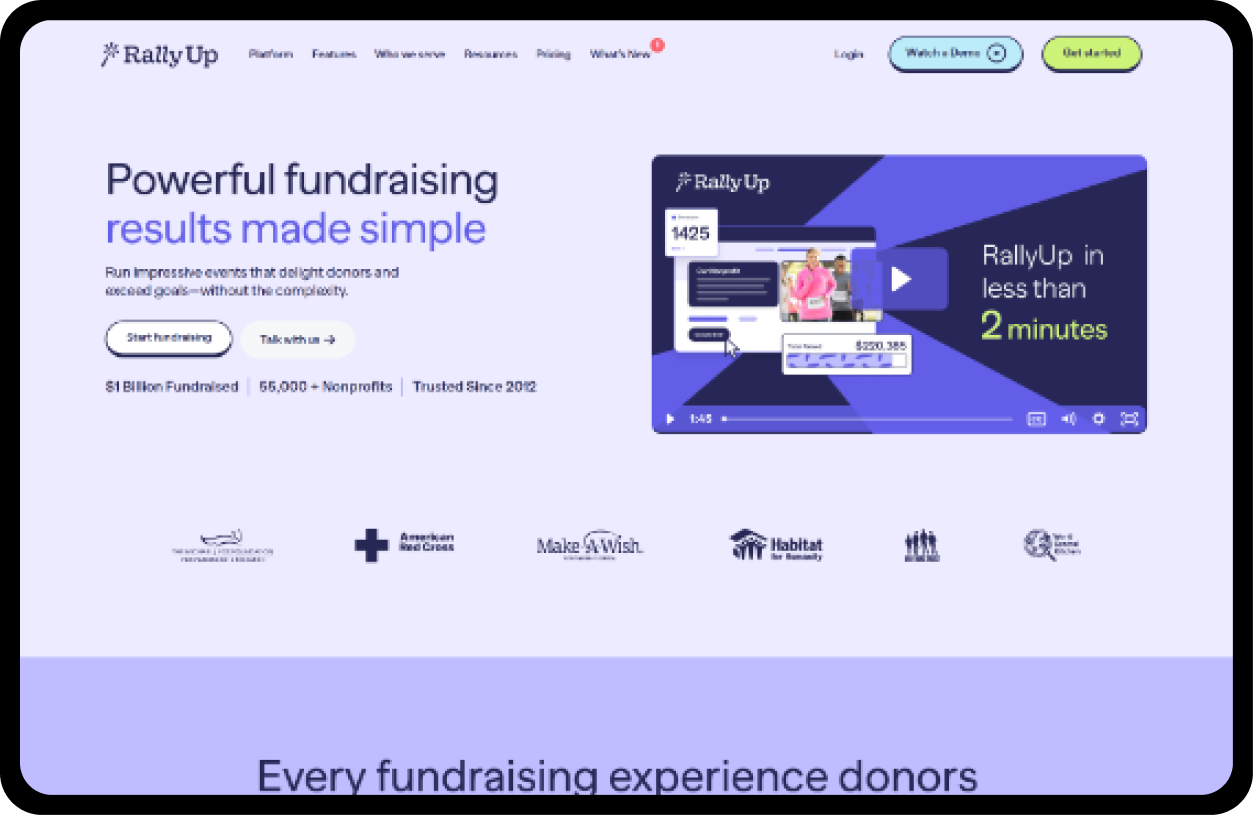
Canadian Software Agency partnered with RallyUp to support the evolution of a scalable fundraising SaaS ecosystem designed for nonprofits, charities, schools, and mission-driven organizations worldwide.
Frequently Asked Questions
How much does mobile app development cost in Canada?
The cost of mobile app development in Canada typically ranges from $10,000 to $150,000+, depending on the complexity, features, and platforms involved. A basic MVP app may cost between $10,000–$25,000, while more advanced applications with integrations, real-time features, or AI capabilities can exceed $100,000.
Factors affecting cost include UI/UX design, backend infrastructure, APIs, scalability requirements, and whether the app is built natively or cross-platform
How long does it take to build a mobile app?
The timeline for mobile app development usually ranges from 8 weeks to 6 months. A simple MVP can be completed in 6–10 weeks, while complex applications with advanced features, integrations, or AI components may take 4–6 months or longer.
Proper planning, clear requirements, and an experienced development team significantly reduce timelines.
What is the difference between native and cross-platform app development?
Native apps are built specifically for iOS (Swift) or Android (Kotlin), offering maximum performance and full access to device features. Cross-platform apps (React Native, Flutter) allow faster development and lower costs by using a shared codebase.
The choice depends on your budget, performance needs, and time-to-market requirements.
What industries benefit the most from AI development?
AI development is widely used across industries including:
- Healthcare (diagnostics, patient management)
- Fintech (fraud detection, analytics)
- E-commerce (recommendation engines)
- Logistics (route optimization)
- Education (adaptive learning)
Businesses that rely on data, automation, or personalization benefit the most from AI integration.
What is an AI agent and how does it work?
An AI agent is a system that can perform tasks autonomously using artificial intelligence. It can analyze data, make decisions, and execute actions without constant human input.
Examples include chatbots, workflow automation tools, and AI assistants integrated into business systems.
What is RAG (Retrieval-Augmented Generation) in AI?
RAG (Retrieval-Augmented Generation) is an AI approach that combines large language models with real-time data retrieval. It allows AI systems to generate more accurate and context-aware responses using external knowledge sources.
It is commonly used in chatbots, enterprise search systems, and AI assistants.
Do you build SaaS platforms?
Yes, we specialize in SaaS (Software as a Service) development, building scalable cloud-based platforms for startups and enterprises. Our SaaS solutions include subscription systems, dashboards, user management, and integrations.
What technologies do you use for development?
We use modern technologies including:
- React, Next.js (frontend)
- Nodejs, Python (backend)
- MongoDB, PostgreSQL (databases)
- AWS, Azure (cloud)
- React Native, Flutter (mobile)
Do you offer post-launch support and maintenance?
Yes, we provide ongoing support, maintenance, and scaling services. This includes bug fixes, performance optimization, feature updates, and infrastructure management.
Can you scale an existing application?
Yes, we specialize in scaling existing applications by improving performance, optimizing architecture, and adding new features to support growth.
What is the cost of custom software development in Canada?
Custom software development typically ranges from $20,000 to $200,000+, depending on the complexity, integrations, and scalability requirements.
Do you work with startups or only enterprises?
We work with both startups and enterprises. For startups, we focus on MVP development and rapid deployment. For enterprises, we build scalable, secure, and integrated systems.
What is the best tech stack for mobile app development?
The best tech stack depends on your goals. Native development (Swift/Kotlin) offers performance, while React Native and Flutter offer faster development and cost efficiency.
Do you provide UI/UX design services?
Yes, we provide full UI/UX design services including wireframes, prototypes, and user experience optimization.
What is included in your AI development services?
Our AI services include AI agents, LLM integration, RAG systems, chatbots, predictive analytics, and automation solutions.
How do you ensure security in software development?
We follow best practices including encryption, secure authentication, compliance standards, and regular security audits.
Do you develop enterprise software?
Yes, we build enterprise-grade applications including CRM, ERP, dashboards, and workflow automation systems.
What is your development process?
Our process includes discovery, design, development, testing, deployment, and ongoing support.
Can you integrate third-party APIs?
Yes, we integrate APIs including payment gateways, CRMs, AI services, and more.
What is AI automation?
AI automation uses artificial intelligence to automate repetitive tasks, improve workflows, and reduce manual effort.
Do you build e-commerce platforms?
Yes, we build scalable e-commerce platforms with payment integrations, inventory systems, and AI-driven personalization.
What makes your company different from competitors?
We combine AI expertise, mobile app development, and custom software capabilities under one roof, allowing us to deliver complete digital solutions.
Do you provide cloud deployment services?
Yes, we deploy applications on AWS, Azure, and other cloud platforms for scalability and reliability.
Can you modernize legacy systems?
Yes, we help businesses modernize outdated systems by upgrading technology and improving performance.
How do I get started with your development services?
You can contact us through our website to schedule a consultation where we discuss your project requirements and provide a tailored solution.


Ready to work together?
Let's get in touch